
Our Guide to Vegetarian Food in Japan
Published 12th Jan. 2026
Written by Emily Heeks
Reading time
Travelling as a vegetarian in Japan has long been a test of patience and persistence. From misread menus to hidden fish stocks in seemingly innocent dishes, requests for a meat-free meal can be met with confusion. Historical ties to vegetarianism date back to centuries-old Buddhist traditions, but everyday meals often centre around meat and fish. But Japan’s food scene is returning to its roots, with a growing appreciation for shojin ryori (vegetarian cuisine) and a wave of new meat-free eateries tucked between temples and izakaya's, found both in bustling Tokyo and along the sleepy lanes of Kyoto. Ready to eat green and embark on a culinary adventure? Read on for our guide to the best vegetarian food in Japan...
- Tips and tricks
- Japan's vegetarian history
- Vegetarian ramen
- Vegetarian sushi
- Tofu
- Recommended food in Japan
Tips and tricks
Firstly, learning some Japanese phrases will be advantageous. While the word bejitarian (vegetarian) is widely understood, its definition can be more flexible in Japanese, so it’s key to be specific about what you cannot eat – meat, seafood and animal products, including dashi or stock. Learning to ask if a dish is veggie-friendly or can be adapted, will make dining out much easier. If a waiter seems unsure – don't panic. What might look like confusion is really just them recalculating the recipe in light of your no-meat preferences.
To make life easier – and to avoid any awkward attempts at Japanese – carry a printed card detailing your dietary requirements; chefs and restaurant staff will appreciate the clarity. Photo menus, which are common in Japan, can be a real lifesaver – but it’s always worth double-checking the base ingredients, as they often contain fish or other animal products.
For a truly immersive experience, stay at a ryokan inn and indulge in kaiseki – Japan’s exquisite multi course cuisine, where every dish is intricately prepared and presented like a work of art. To enjoy these delicacies vegetarian-style, contact the inn ahead of your stay. For any set menus it’s wise to give each restaurant a heads-up about your needs, and apps like Google Translate can help with any clarifications.

Image by Pauline Chardin
Japan's vegetarian history
Don’t be afraid to ask about vegetarian food in Japan. With 36.9 million travellers visiting in 2024, you’re certainly not the first to enquire. With its roots in Buddhism, many shojin ryori restaurants continue to serve the centuries-old, monk-perfected cuisine – believed to align the mind, body and soul through simple and intentional cooking. Immerse yourself in this rich tradition by experiencing shojin ryori for yourself.

Image by d3sign / Getty Images
Vegetarian ramen
Everyone who visits Japan has ramen high on their must-eat list – and the good news is that vegetarians don’t have to sit this one out. Many restaurants now offer plant-based bowls made with vegetable stock instead of the usual meat or fish broths – and the ramen is just as hearty and comforting as it should be. Flavours range from classic miso and shoyu to velvety broths made with soy milk or sesame, as well as hot-and-sour styles and bold spicy chili bowls for those who love a kick.
In traditional ramen shops, it’s customary to order from a classic vending-machine-style ticket system, whereas modern restaurants use electronic screens – no Japanese fluency required. Simply switch the broth to a vegetable base and add an ajitsuke tamago (ramen egg) as a protein substitute in place of meat or remove it entirely if you’re vegan.
Vegetarian sushi
Sushi has been around for centuries in Japan, starting as a method to preserve freshwater fish – and now even vegetarians can join the fun. There’s a whole world of veggie and vegan friendly varieties waiting to be discovered including crisp kappa maki (cucumber rolls), oshinko maki (radish rolls), and red pepper or aubergine rolls. Nigiri topped with shiitake mushrooms, nasu (aubergine), or avocado offers a fresh, plant-based twist on a classic. Add in their seasonal and creative veggie rolls, and you’re all set to enjoy Japan’s sushi culture.

Image by Romeo A. / Unsplash
Tofu
We couldn’t complete this Japanese vegetarian food guide without discussing tofu, a cornerstone of plant-based cuisine which was introduced during the Nara period by Buddhist monks as a source of meatless protein. Today, one of the most popular dishes is agedashi dofu – lightly fried tofu served in a savoury broth, garnished with a sprinkle of green onions. To keep it vegetarian or vegan, be sure to ask for it to be prepared with kombu dashi (seaweed) instead of the traditional fish-based stock.
There are plenty of other vegetarian tofu dishes to try, including yudofu (tofu hot pot), hiyayakko (chilled tofu), tofu gyoza, miso soup (served with tofu cubes), proving that tofu’s reputation for blandness is very much undeserved. These dishes can also be made vegan – just tell your chef you’re preferences.
Recommended food in Japan
Many delightful Japanese dishes are made-to-order, meaning that chefs can prepare both vegetarian and vegan options if asked. A popular dish, usually served as a starter or a side is wakame salad, otherwise known as seaweed salad – a slightly sweet and tangy dish. If you’re feeling peckish after a day packed with sightseeing in Osaka, grab some vegetarian tempura – fresh vegetables coated in a light batter, fried in vegetable oil instead of fish-based dashi. In snowy Hokkaido, warm yourself up with Oyaki dumplings – warm handmade pockets filled with nourishing vegetables. Come evening time, unwind with a soothing onsen soak, then treat yourself to taiyaki, mochi, purin, or dango – sweet delights that make for the perfect end to the day. As a vegetarian, or vegan, you can absolutely travel Japan as a food tourist – and love every bite.

Image by Oliver Romano
Header Image by Zoe Fidji
Why visit Japan with Original Travel ?
Whether you’re a family seeking Tokyo’s futuristic museums or a couple wishing to relax in Hokkaido’s onsens, we’ve got you covered. Our consultants have first-hand experience of living in Japan, so we know the secret spots off the beaten track (and how to reach them). Train travel is the best and most efficient way to explore the country, and wherever you visit, getting to grips with Japan’s diverse culture is a must. We work with guides who provide in-depth experiences on the history of Samurai or Geisha culture, and we have hand-picked traditional ryokan properties to rest your head in.
Enquire nowA few of the benefits of travelling with us to Japan
- Our local Concierges
- The Original Travel app
- Wi-Fi router and e-Sim
- Destination Dossier
- 24-hour helpline
- Expert guides
- 100% carbon absorption
You might also like
Practical advice and inspiration for your next trip

Our Guide to Bullet Trains in Japan
Do you want to immerse yourself in Japanese culture while also seeing as much of the country as you can in one trip? Enter Japan’s bullet train. Iconic, impressive and efficient, these sleek speedsters are an integral part of the country’s culture, transporting thousands of locals every day. In between strolling cherry-lined streets, sampling skewers of yakitori or watching anime shows, hopping aboard a bullet train should feature on any Japan holiday itinerary.
13th July 2026 - Japan Travel Tips
Best Temples in Japan
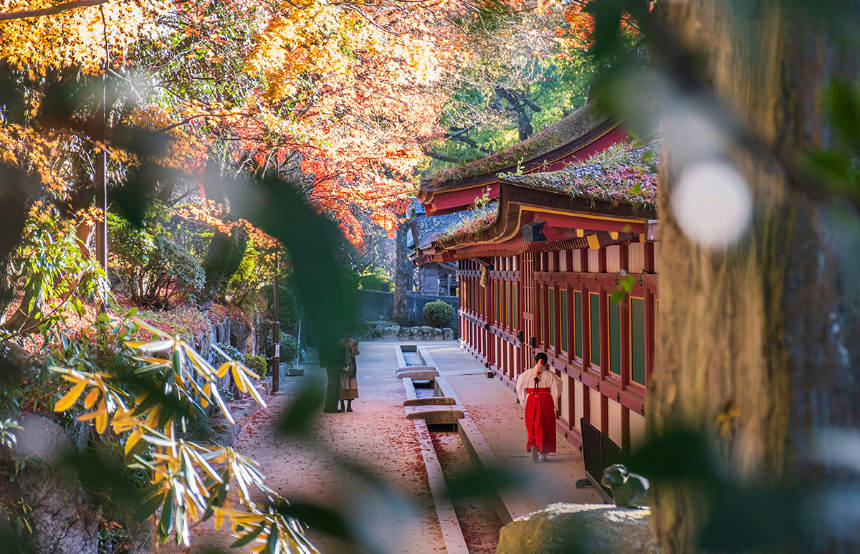
Just stepped off the Shinkansen, explored the vibrant streets of Tokyo and had your fill of ramen? Then you’ll know Japan is dazzling, and a little hectic at times. That’s where temples come in – and with over 150,000 sacred sites across the country, you’ll see signs for otera (temple) and jinja (shrine), everywhere. Follow them and find peaceful pavilions, meet resident deer bowing for a biscuit or two and even tiptoe through ninja hideouts filled with secret rooms.
27th April 2026 - Japan Travel Inspiration

Best Time to Visit Tokyo
A multifaceted metropolis, Tokyo caters to everyone – and every season. While it's become synonymous with cherry blossoms in recent (Instagrammable) years, it has far more to offer than merely a springtime sojourn. Painted in shades of red throughout autumn, blanketed in snow in winter, and heavy with heat and humidity in summer; this urban titan yields to the full influence of every season. Whether you want to part from the herd to witness snowy wonderlands or brave the crowds to capture the fleeting floral blooms, you can experience it all right here.
2nd March 2026 - Japan Travel Inspiration