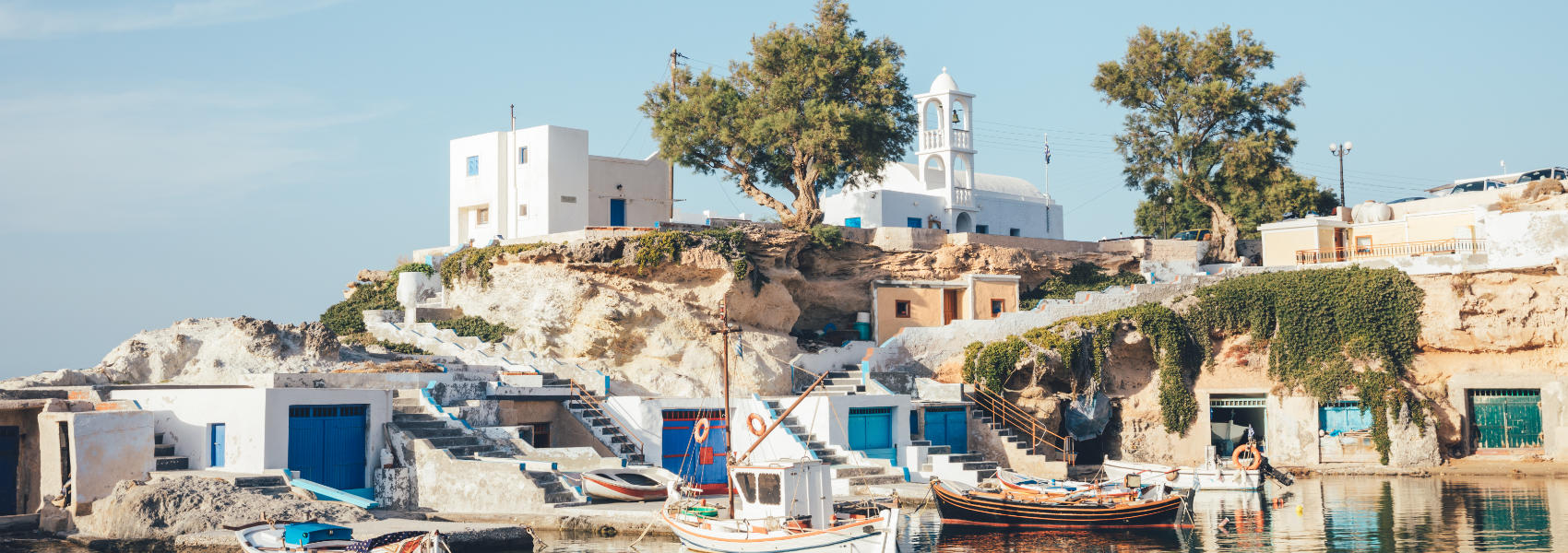
According to mythology, many of Greece’s islands were crafted by the gods, and these creation myths appear apt given the islands’ exceptional beauty and other-worldly qualities. Estimates for the number of Greek islands and islets dotted along the expansive coastline vary between 1,200 and 6,000, of which 227 are inhabited, leaving you with plenty of options when planning a holiday in Greece. You can’t really go wrong with any of the Greek islands – each possesses its own individual charm and a scattering of stunning beaches – but if you’re struggling with where to start,
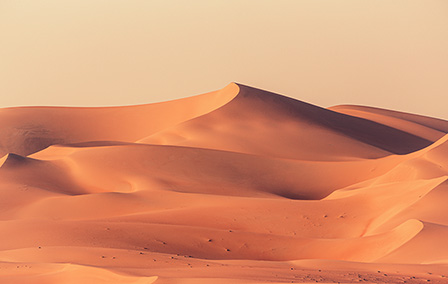
Sculpted by wind and wild weather for decades, centuries and even millennia, sand dunes are some of the most extraordinary natural landforms on Earth, with their seemingly limitless cumin-coloured cascades or caster-sugar sands. Sand dunes are dotted across deserts, coastlines and semi-arid regions around the world, some with pointed peaks, some towering above the rest, and each different to the next.
5th January 2025 - The Natural World
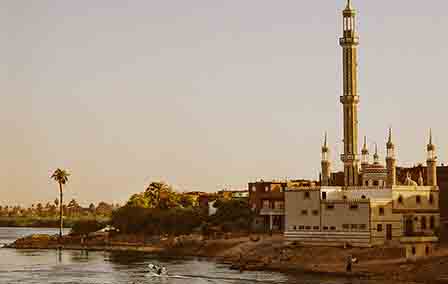
Last updated: March 2026 by Ben Williams, our Conde Nast Traveler Egypt Specialist Hello, fellow traveller. You may find yourself here because you’ve typed ‘Is it safe to travel to Egypt’ into your search engine. Or perhaps you’ve stumbled upon us in the same way those archaeologists accidentally found hundreds of rock-cut tombs in Egypt in 2021. Either way, you’re in the right place to learn more about this country (particularly if you’re already looking at flights) because it’s always worth doing some research before exploring somewhere new.
2nd March 2026 - Egypt Travel Tips
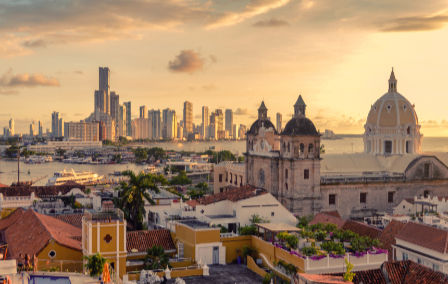
Sharing a border, coastline and mountain-range, the similarities between Colombia and Ecuador make it challenging to choose just one as a holiday destination. Both countries have recently been removed from the restricted travel list, making now the perfect time to also cross them off your bucket list. The question is: which one first? Evenly matched in many respects, Colombia vs. Ecuador promises to be a close contest,
10th November 2021 - Travel Inspiration
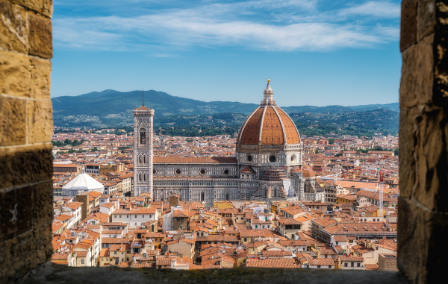
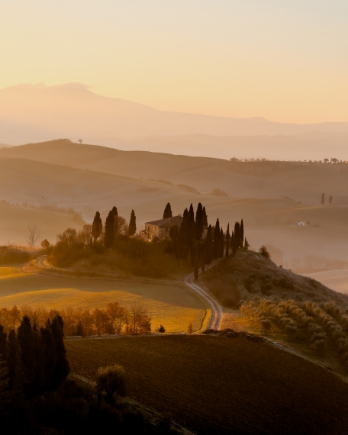
Italy is undoubtedly one of the prettiest places on the planet, and it’s no wonder that it’s the fifth most visited country in the world. Home to soaring snow-capped mountains, shimmering lakes, idyllic vineyards and a breathtaking coastline, the country’s natural splendour is abundant. Italy’s beauty comes in many forms, however, and you’ll find equally enchanting vistas throughout the urban cityscapes; Renaissance facades, ancient palazzos and Baroque basilicas juxtapose contemporary skyscrapers and boutique bistros.
10th January 2025 - Italy Travel Inspiration
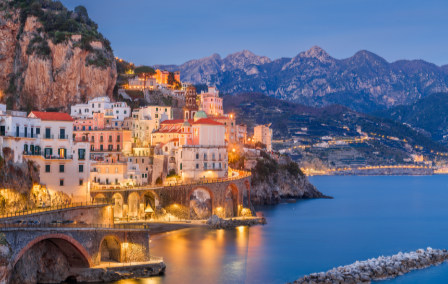
The Amalfi Coast is the pastel-coloured crown jewel of Campania. Expertly stacked fishing villages spill down the cliffsides, charming coves punctuate the coastline and the world’s jet-set flock here come summer for sublime Italian food, fine wine and the postcard-primed setting. In other words, this slice of the Sorrentine Peninsula is nothing short of iconic and a must-visit on your next holiday to Italy.
23rd June 2023 - Italy Travel Tips
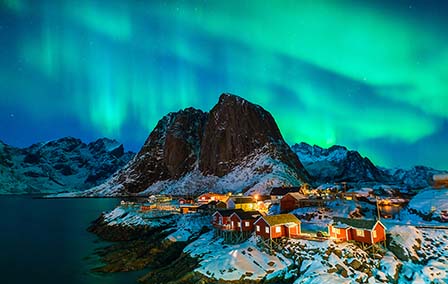
The Northern Lights, or aurora borealis, can be seen in various polar regions, but the Norwegian far north is one of the best destinations in the world for observing these famous green rays. When it appears in the darkness of night, this emerald spectacle is a breath-taking natural phenomenon which never fails to enchant and delight those who see it. Often people become so wrapped up in the magic that they turn into ‘aurora hunters’ during their Norway trips and get caught up in a never-ending quest to see the lights again and again.
22nd December 2021 - Norway Travel Tips
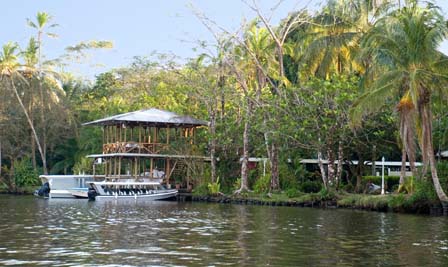
The poster-child for all things eco, Costa Rica is the star pupil in the world’s ecotourism class. Sandwiched between Nicaragua and Panama, this tiny Central American country prides itself on the conservation and protection of its wonderfully biodiverse environment. The country is home to half a million species and one quarter of the country’s wild lands are protected by law. Boasting 26 national parks,
28th June 2021 - Costa Rica Responsible Travel
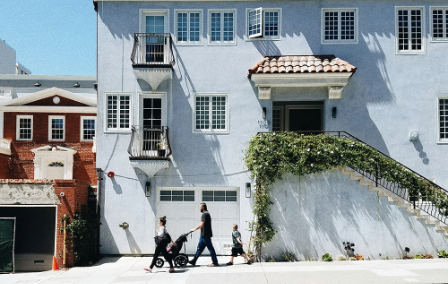
The wonderful thing about the USA is no two cities are the same. Each has its own distinctive personality, quirks and beat, and so choosing just five of the most beautiful cities in the USA was a tough ask. While Charleston is known for its southern charm and rich history, Portland, Oregon has hipster style and hangovers – home to many bustling breweries. Seattle features the iconic Space Needles tower, while Savannah is renowned for making seriously sweet iced tea.
28th December 2024 - USA Travel Inspiration
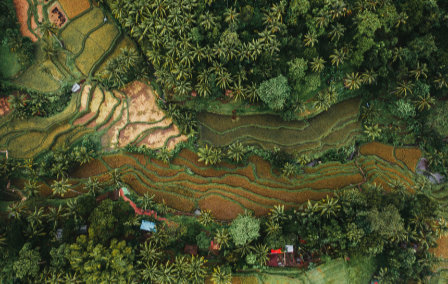
With the football world cup in full swing, we are all in for some healthy competition, and when it comes to travel, these countries put on a thrilling match. Thailand and Indonesia are two tropical paradises that sit high on every traveller’s bucket list. With striking scenery, fabulous food, unique landmarks and tropical climates, these Southeast Asian hots spots are worthy competitors and it’s a tough bet to make.
3rd January 2023 - Travel Inspiration
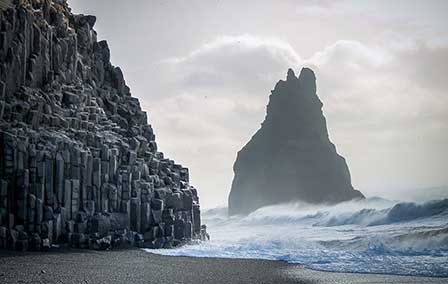
White waves crash onto the inky Icelandic shore, creating foamy holographic patterns on the sweeping pitch-black sandy beach. Infamous for its perpetual volcanic activity and rugged scenery, Iceland’s black sand beaches draw crowds from far and wide. Age old lava is broken down into glistening onyx-coloured sand to form one of the most beautiful yet unearthly attractions that tourists can explore. A visit to some of the island’s volcanic beaches is a must for budding photographers, geography enthusiasts and those who admire the sheer wonders of the Icelandic landscape.
7th March 2022 - Iceland Beaches & Islands
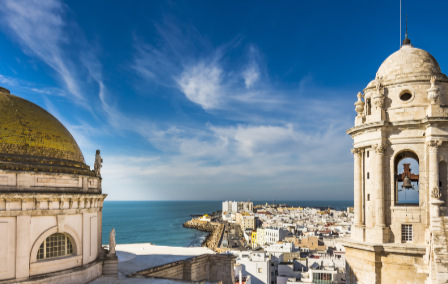
Portugal’s main cities seem to get most of the attention. Lisbon is lauded as the perfect place for a city break, while Porto is praised as the capital’s charming culture-filled counterpart. Both are blessed with the added benefit of close proximity to the coast, meaning your city stay can feature a seaside sojourn as well as world-class dining, exquisite architecture and vinitourism (wine tasting).
26th September 2022 - Portugal Beaches & Islands
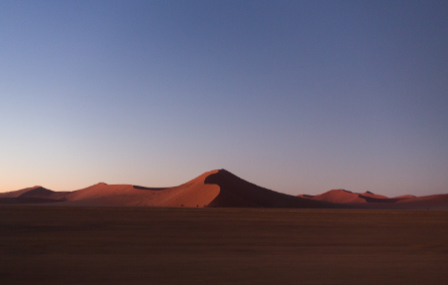
From soaring sand mountains to misty coastal dunes and polar ice sheets, the most beautiful deserts in the world are a diverse lot. Whether you’d rather seek out Earth’s tallest sand dunes in Namibia or enjoy some stellar stargazing in Chile’s Atacama, there’s a quiet beauty found in every harsh environment. But with 33 major desert areas in the world, the question is, where to begin? Read on for our roundup of the best of the bunch… 1.
29th December 2024 - The Natural World
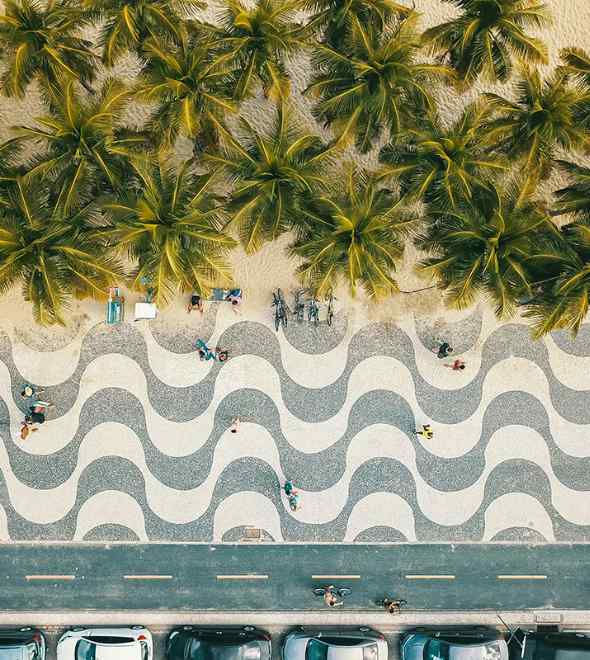
Soaked in sunlight, suncream and ice-cream, August is brimming with holiday spirit, particularly for us in the Northern Hemisphere. The only problem? Figuring out how – and where – to savour it. From balmy breaks on the French Riviera to far-flung forays into Singapore’s concrete jungle, there’s no shortage of places to dial up the heat and bask in holiday bliss before autumn rolls around. So, to whet (or should we say warm?
18th May 2026 - Travel Inspiration
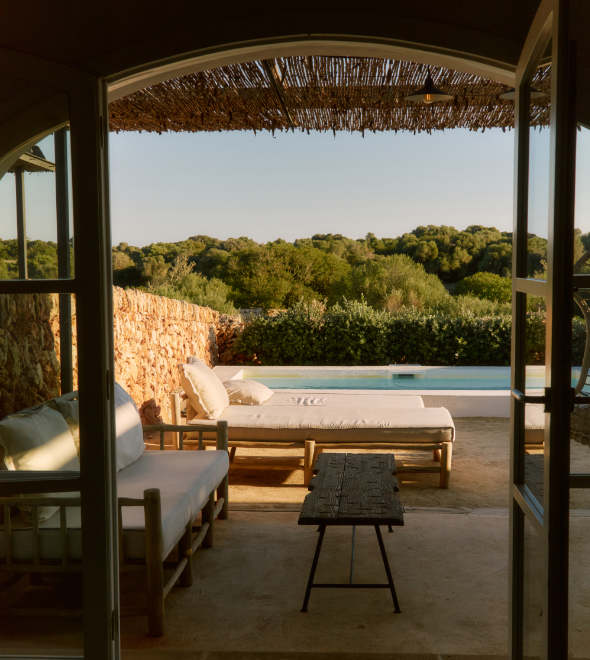
Tucked away in the shadow of Mallorca, Menorca is often overlooked in favour of its flashier neighbour. A shame because, for those willing to steer off the well-trodden track, there’s a medley of marvels to be found. This is exactly what our Co-Founder and Brand Director, Tom Barber, discovered on his trip to Menorca, which he spent tracing the deep history and quiet allure of this bashful Balearic island.
13th May 2026 - Spain Travel Inspiration
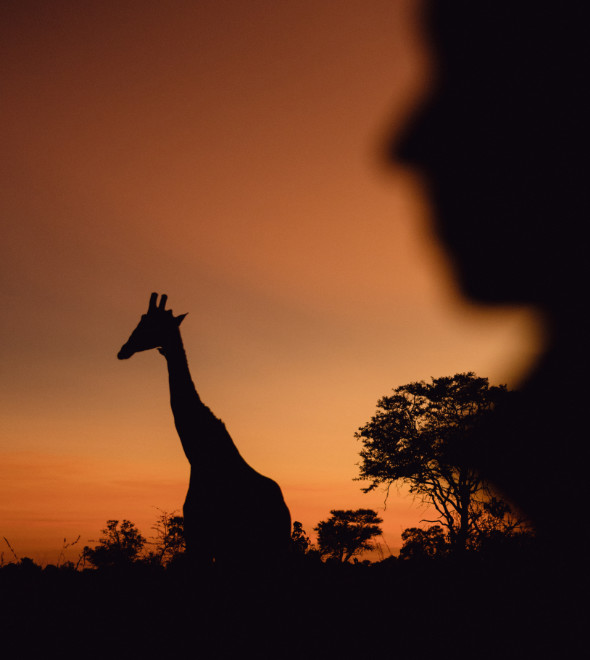
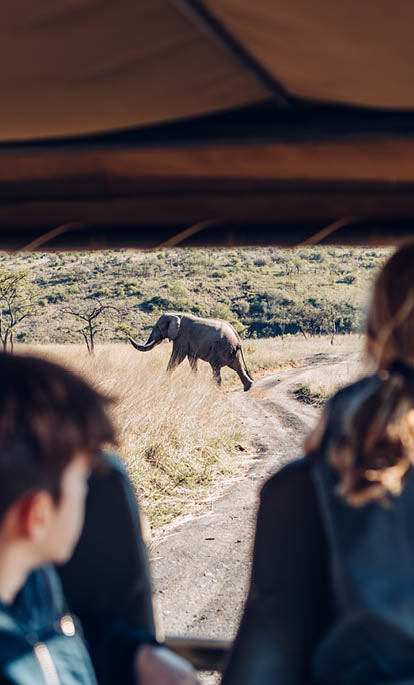
Picture the scene: a hidden lion suddenly rises just a few feet away – in an instant, every sense sharpens. That’s the magic of safari. When it comes to Kenya vs South Africa, both deliver unforgettable wildlife moments, but in very different ways. What they do share, however, is expert guides narrating the scene, goosebump-inducing encounters and plenty of comfort in between – from luxurious lodges to star beds beneath African night skies.
11th May 2026 - Safari & Wildlife
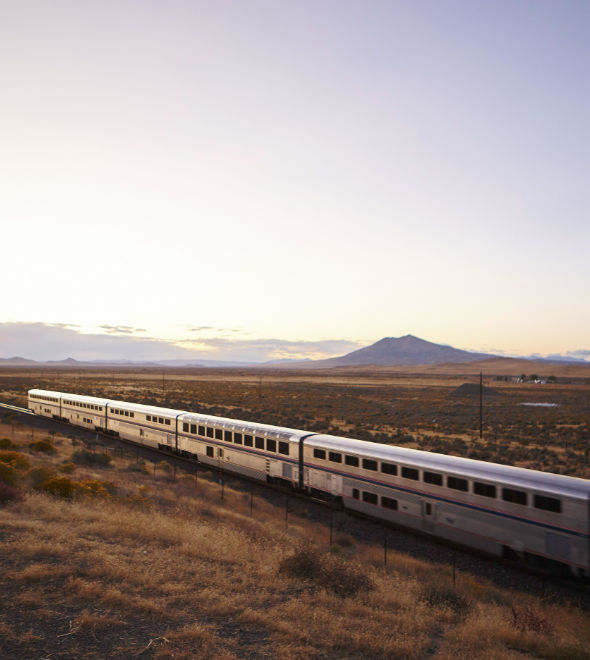
Like all continents, North America is vast and varied, but its countries share a key similarity: the sheer size of their landmass. From Canada’s rocky regions to America's plentiful plains and Mexico’s sun-soaked swathes – there’s no shortage of ground to cover. With an abundance of sprawling landscapes and beautiful vistas, the best way to soak it all in is by train travel. But which trips to choose?
7th May 2026 - Travel Inspiration
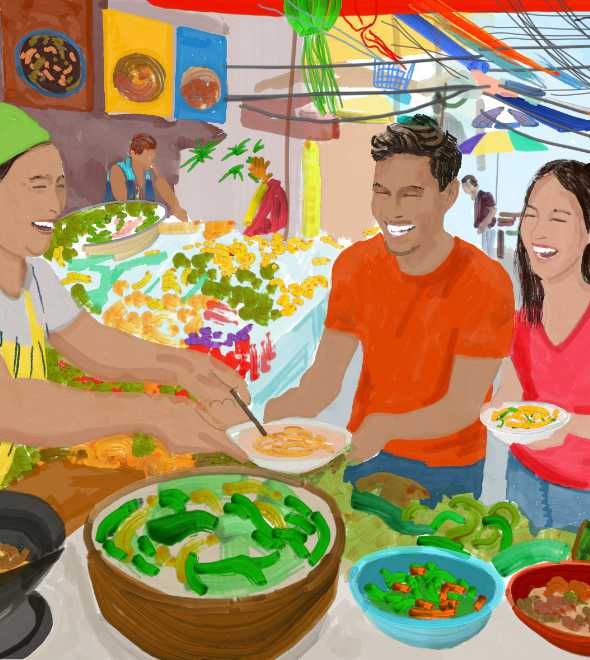
One of the joys of travel is encountering new cultures and ideas. From ancient traditions to modern philosophies, the world is rich in beliefs with the power to expand our outlook. We’ve spun the globe and cherry-picked some of our favourites, from the conviction that every activity should involve a little fun, to the celebration of joint effort over individualistic action. Read on for our shortlist of life concepts around the world and prepare for a conceptual circumnavigation of the globe.
5th May 2026 - Culture
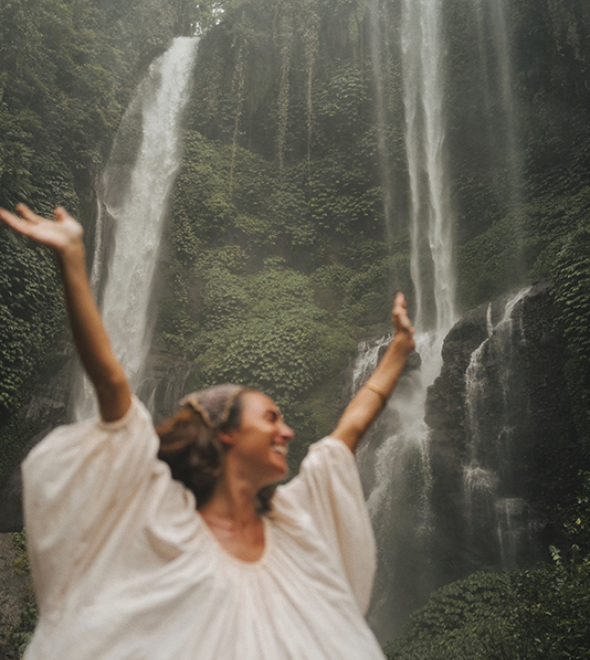
When’s the best time to book a holiday for maximum happiness? We’re glad you asked. New behavioural science research conducted by Professor Paul Dolan (nicknamed the ‘Professor of Happiness’) and Alina Velias of the London School of Economics suggests the sweet spot is roughly four months before you travel. This supports our long-held concept of ‘Anticication’ – the idea that simply looking forward to a holiday can be a significant contributor to wellbeing.
4th May 2026 - Travel Tips
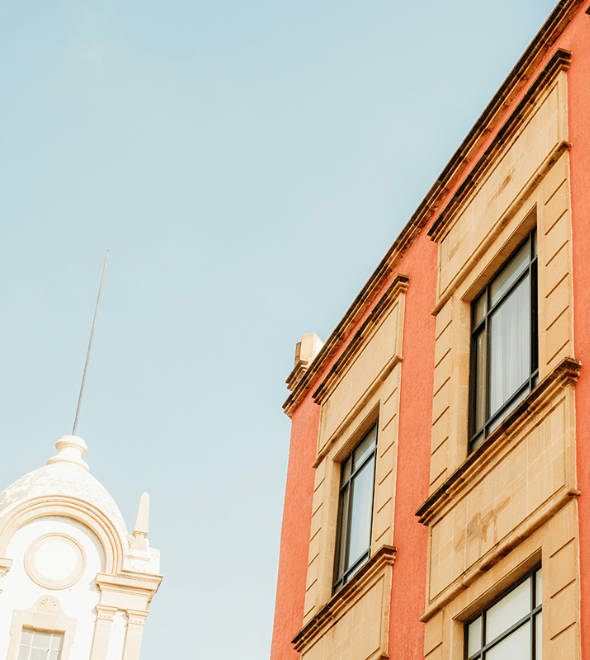
Last updated: May 2026 by our Mexico specialist, Oliver, our Conde Nast Traveler Mexico specialist. Generally speaking, Mexico is considered a safe country to visit. It’s a popular travel destination known for its rich culture, beautiful beaches and historical landmarks. If you’re keen to explore this part of the world but find yourself asking the question, ‘Is it safe to travel to Mexico?’ the short answer is yes.
1st May 2026 - Mexico Travel Tips
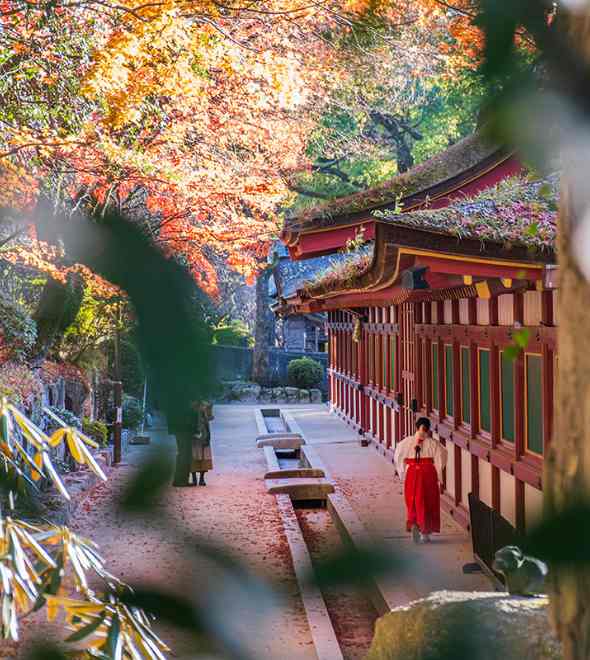
Just stepped off the Shinkansen, explored the vibrant streets of Tokyo and had your fill of ramen? Then you’ll know Japan is dazzling, and a little hectic at times. That’s where temples come in – and with over 150,000 sacred sites across the country, you’ll see signs for otera (temple) and jinja (shrine), everywhere. Follow them and find peaceful pavilions, meet resident deer bowing for a biscuit or two and even tiptoe through ninja hideouts filled with secret rooms.
27th April 2026 - Japan Travel Inspiration

Meet Jean-Francois Rial, CEO of Voyageurs du Monde – the French tour operator that’s been Original Travel’s parent company since 2017. A passionate advocate for sustainable travel, he’s been proposing ways for the industry to play its part in protecting the planet. Off the clock, he also runs an organic vegetable farm in France’s Orne region, proving that even CEOs can get their hands dirty. Intrigued by the people shaping the future of travel?
27th April 2026 - Travel Inspiration
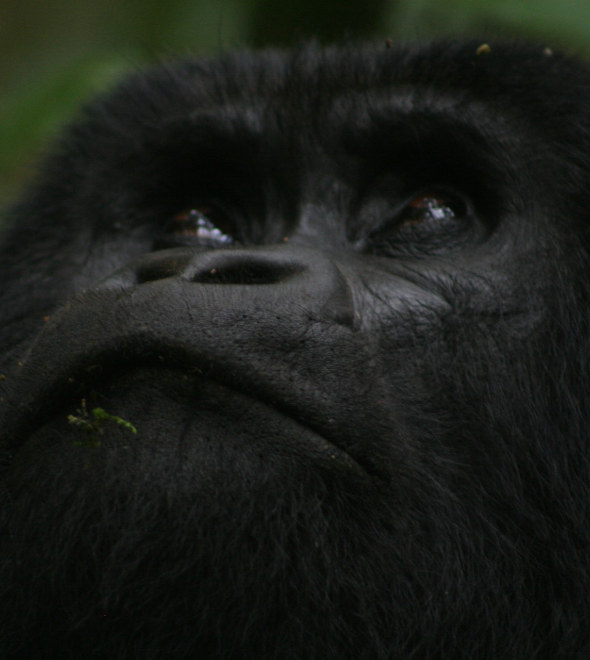
Deciding where to go gorilla trekking should be easy. There’s a finite number of gorillas left, and they all inhabit a relatively small area. The only problem? This area spans two equally enticing countries. One is Uganda, once dubbed the ‘Pearl of Africa’ by Winston Churchill, a nickname still used today. The other is Rwanda, which bats back with a revered redemption story and a booming tourism industry.
20th April 2026 - Travel Tips
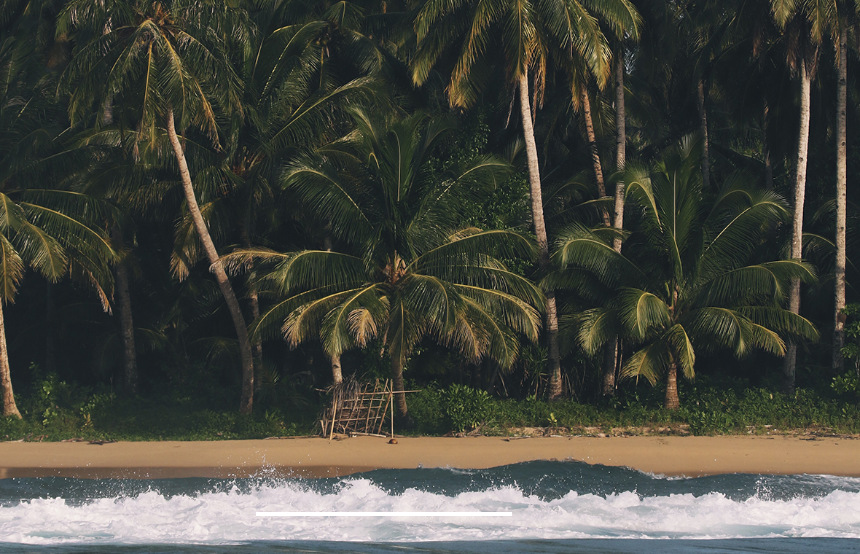
Introducing travel heroes: individuals who inspire us with their innovation, dedication and creativity within the travel industry. These are people who embody the Original Travel mission and values in their work and who deserve a moment in the spotlight. Developed from our Original Traveller feature, read on as we celebrate our favourite global champions of sustainability, cultural heritage and conservation.
20th April 2026 - Travel Inspiration
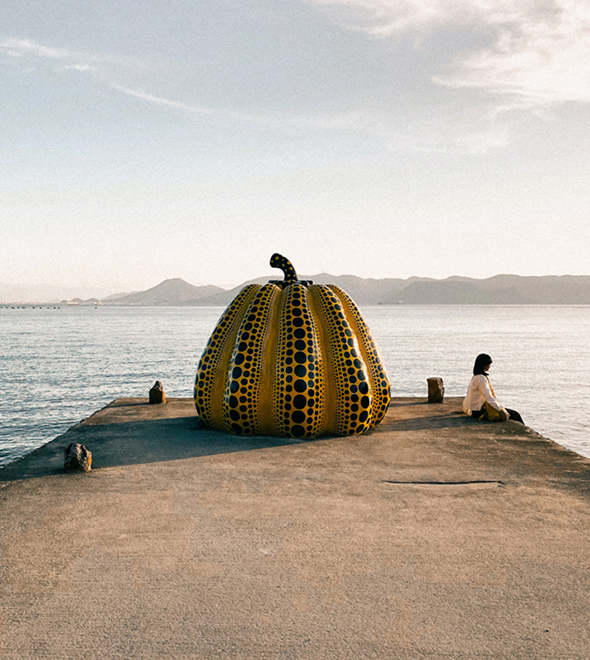
Seeing great art remains one of travel’s most rewarding pursuits. Sure, the classics – Paris, New York, Madrid, Amsterdam – will always dazzle, but for true connoisseurs, the real thrill is discovering something a little more off the beaten track. Luckily, we’ve mapped out an atlas of alternative destinations that deserve a place on every culture-curious traveller’s itinerary: from art-dotted islands in Japan’s Inland Sea and a minimalist mecca hidden in the Texan desert all the way to Cape Town, where contemporary African art blooms between galleries and vineyards.
13th April 2026 - Travel Inspiration
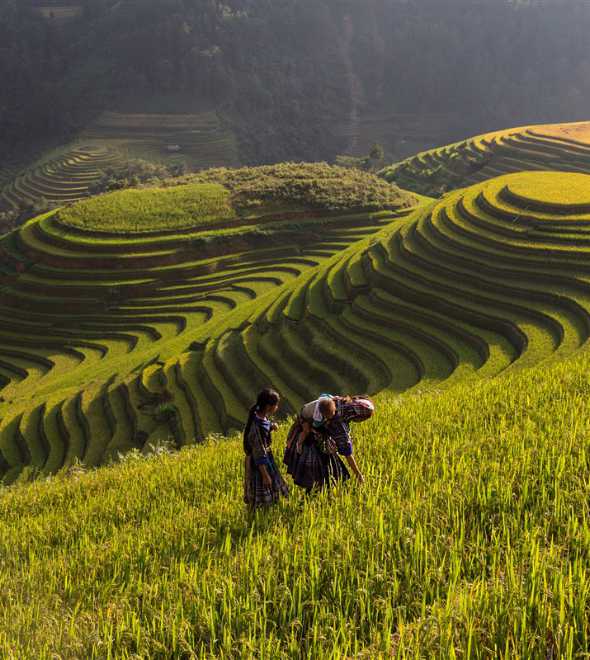
In Vietnam, it’s full steam ahead for the slow travel revolution. At the forefront: The Vietage by Anantara. This luxury rail carriage, which winds its way along the coast between Hoi An and Nha Trang, gives passengers a taste of the golden age of train travel. For those of us who want to slow down and smell the roses (or rice paddies) along life’s journey, this undeniably romantic experience offers the perfect blend of pleasure and practicality.
13th April 2026 - Vietnam Slow Travel
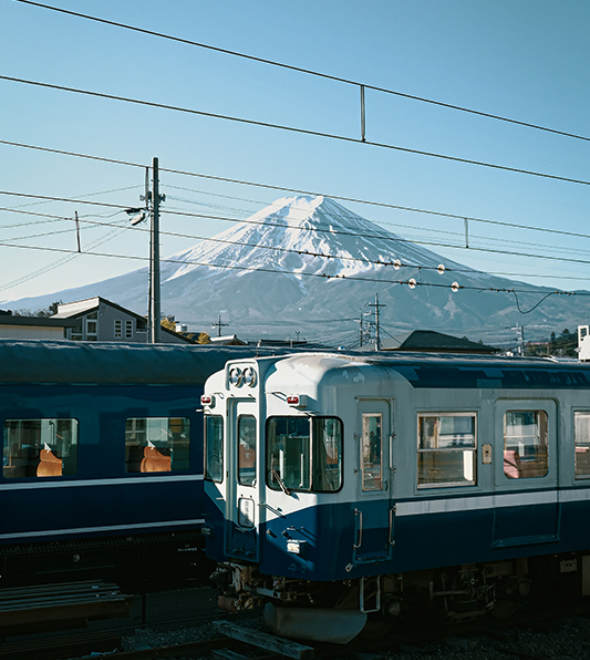
With a rich blend of ancient traditions, pop culture and ultra-modern cities, a getaway to Japan or South Korea often becomes something more. Suddenly, you’re not just a visitor, you’re part of the fan club. These are destinations people fall for quickly and return to often, finding new favourites with every trip. From the neon lights of Tokyo to the sizzling barbecues of Seoul, the real question isn’t which is better, but which do you visit first?
6th April 2026 - Travel Inspiration
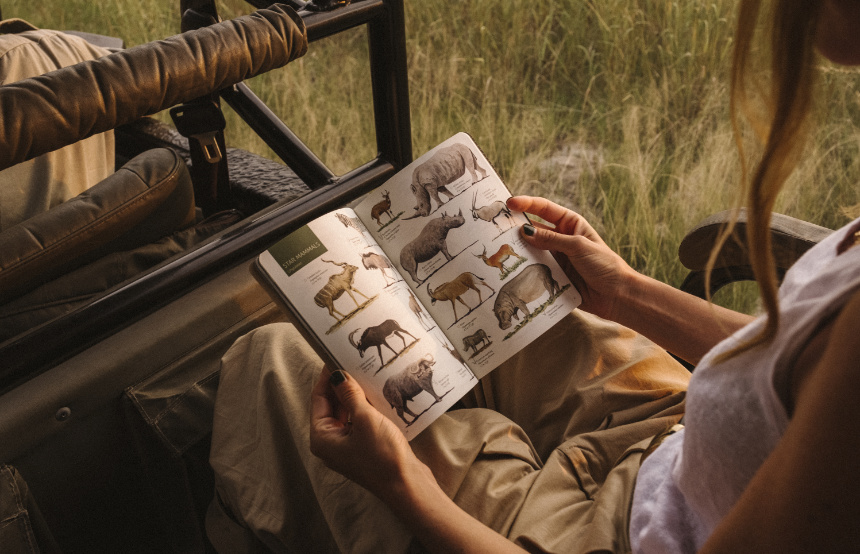
Everybody loves a life hack – those clever little workarounds that make the day-to-day definitively better. The same applies to travel. Whether that’s an unorthodox method of finding the tastiest tapas, experiencing a safari during the green season or in-the-know etiquette when staying in a ryokan, tips from our travel experts can make all the difference to your trip. Eager to find out more? Read on
6th April 2026 - Travel Tips
Practical advice and inspiration for your next trip
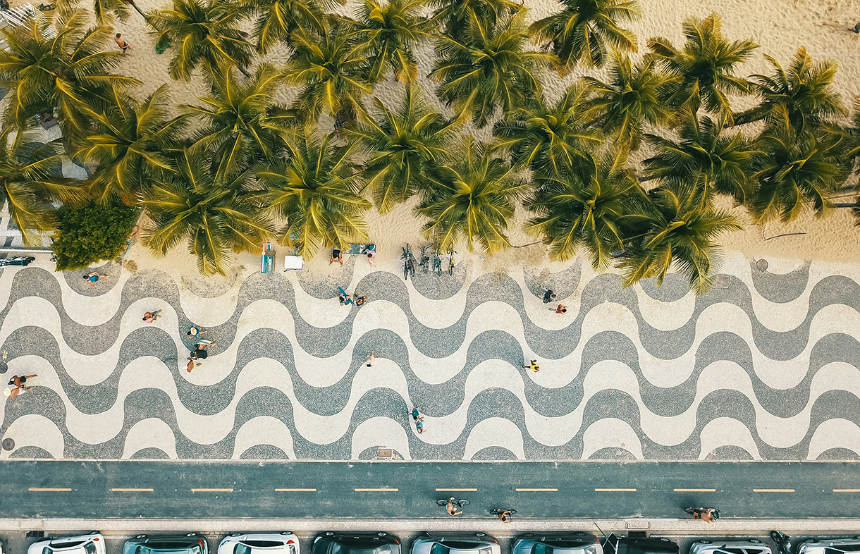
Soaked in sunlight, suncream and ice-cream, August is brimming with holiday spirit, particularly for us in the Northern Hemisphere. The only problem? Figuring out how – and where – to savour it. From balmy breaks on the French Riviera to far-flung forays into Singapore’s concrete jungle, there’s no shortage of places to dial up the heat and bask in holiday bliss before autumn rolls around. So, to whet (or should we say warm?
18th May 2026 - Travel Inspiration
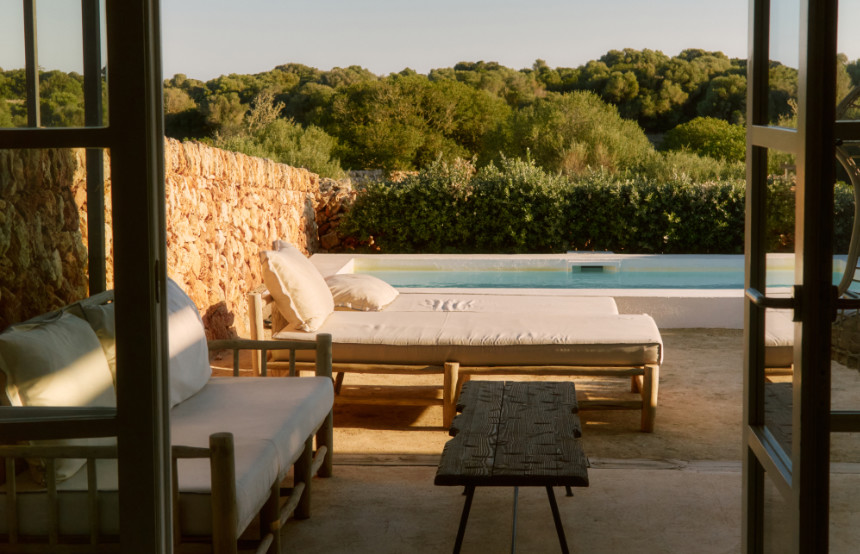
Tucked away in the shadow of Mallorca, Menorca is often overlooked in favour of its flashier neighbour. A shame because, for those willing to steer off the well-trodden track, there’s a medley of marvels to be found. This is exactly what our Co-Founder and Brand Director, Tom Barber, discovered on his trip to Menorca, which he spent tracing the deep history and quiet allure of this bashful Balearic island.
13th May 2026 - Spain Travel Inspiration
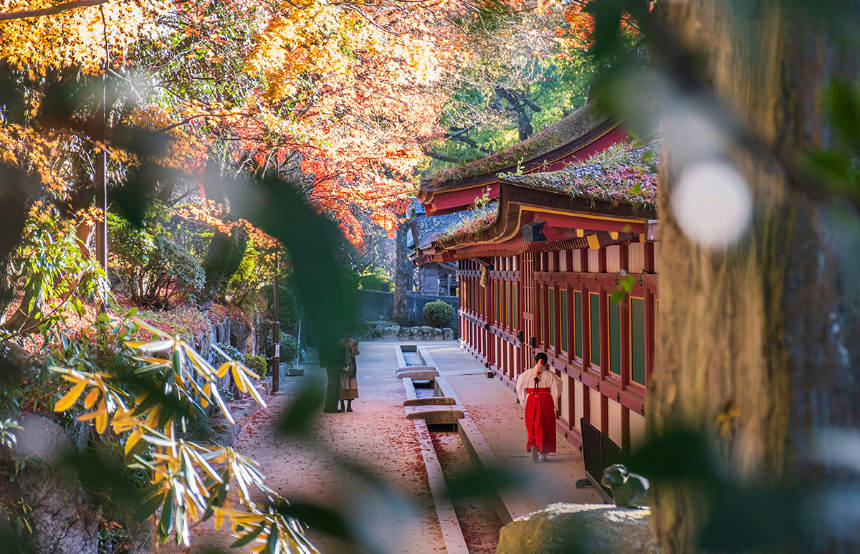
Just stepped off the Shinkansen, explored the vibrant streets of Tokyo and had your fill of ramen? Then you’ll know Japan is dazzling, and a little hectic at times. That’s where temples come in – and with over 150,000 sacred sites across the country, you’ll see signs for otera (temple) and jinja (shrine), everywhere. Follow them and find peaceful pavilions, meet resident deer bowing for a biscuit or two and even tiptoe through ninja hideouts filled with secret rooms.
27th April 2026 - Japan Travel Inspiration
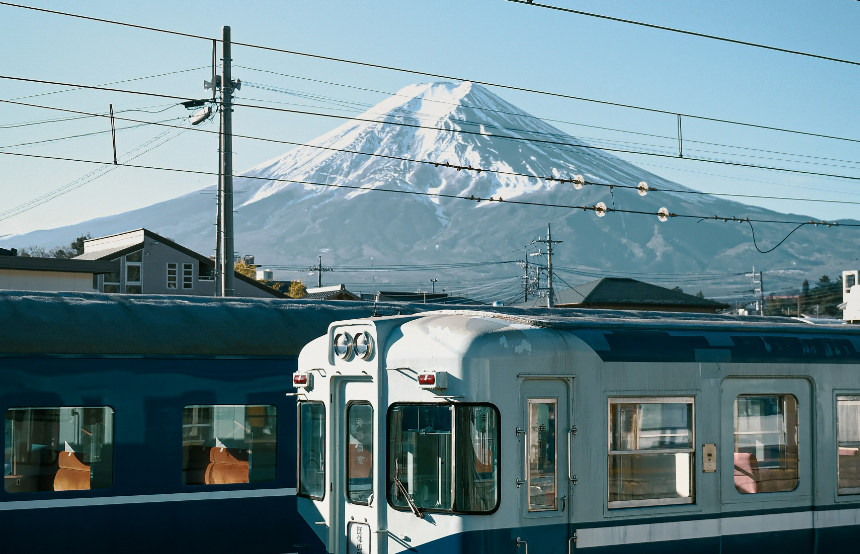
With a rich blend of ancient traditions, pop culture and ultra-modern cities, a getaway to Japan or South Korea often becomes something more. Suddenly, you’re not just a visitor, you’re part of the fan club. These are destinations people fall for quickly and return to often, finding new favourites with every trip. From the neon lights of Tokyo to the sizzling barbecues of Seoul, the real question isn’t which is better, but which do you visit first?
6th April 2026 - Travel Inspiration
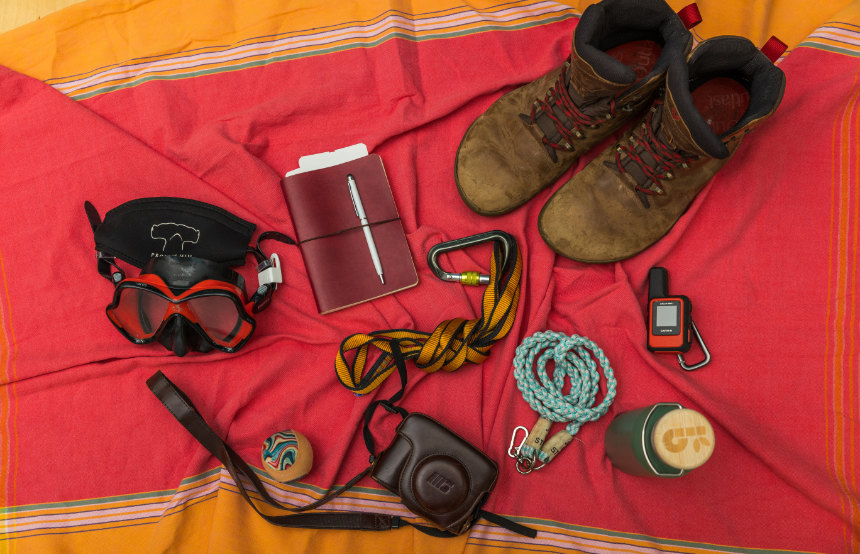
Whether you’re heading off-grid, diving beneath the waves or spending a few days spotting wildlife in the savannah, the right kit can make all the difference. To help you get inspired, we’ve asked our specialists to share the gear they never go on a trip without, from practical essentials road-tested around the world to little comforts that simply make life on the go more enjoyable. Are you planning your next adventure and wondering what to pack?
30th March 2026 - Travel Inspiration
Practical advice and inspiration for your next trip
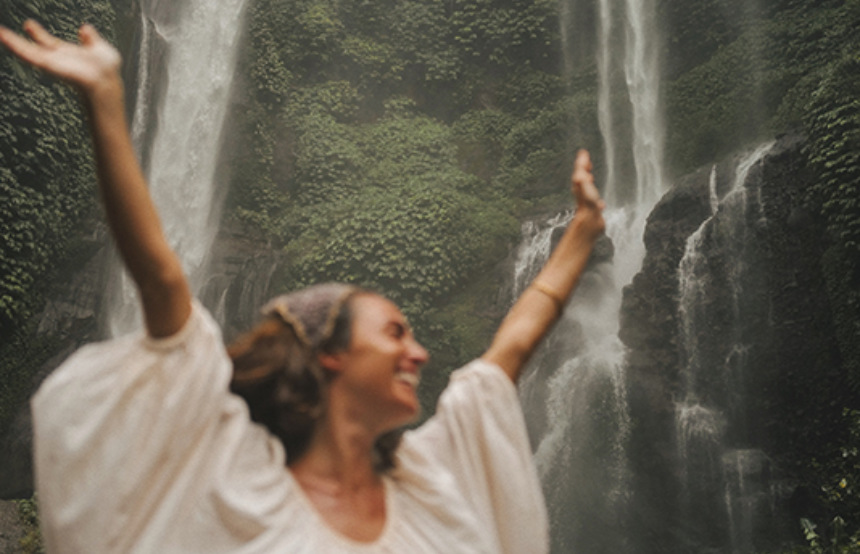
When’s the best time to book a holiday for maximum happiness? We’re glad you asked. New behavioural science research conducted by Professor Paul Dolan (nicknamed the ‘Professor of Happiness’) and Alina Velias of the London School of Economics suggests the sweet spot is roughly four months before you travel. This supports our long-held concept of ‘Anticication’ – the idea that simply looking forward to a holiday can be a significant contributor to wellbeing.
4th May 2026 - Travel Tips
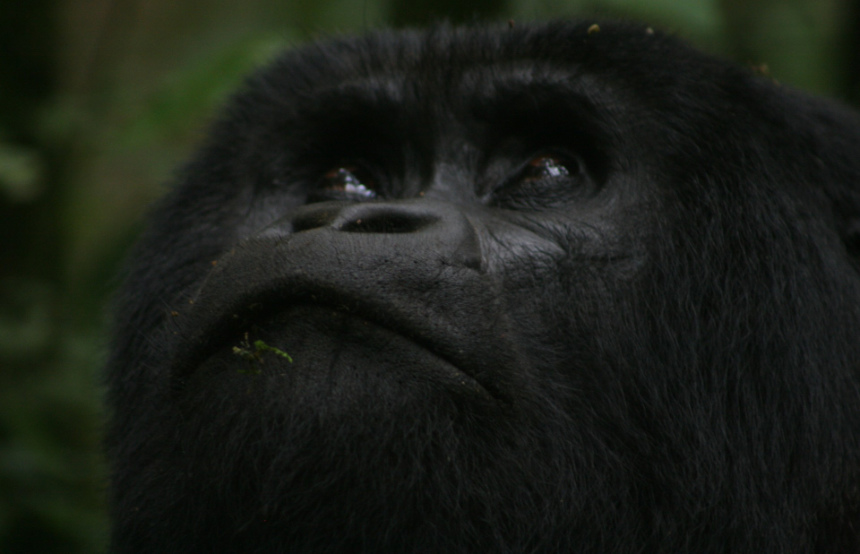
Deciding where to go gorilla trekking should be easy. There’s a finite number of gorillas left, and they all inhabit a relatively small area. The only problem? This area spans two equally enticing countries. One is Uganda, once dubbed the ‘Pearl of Africa’ by Winston Churchill, a nickname still used today. The other is Rwanda, which bats back with a revered redemption story and a booming tourism industry.
20th April 2026 - Travel Tips
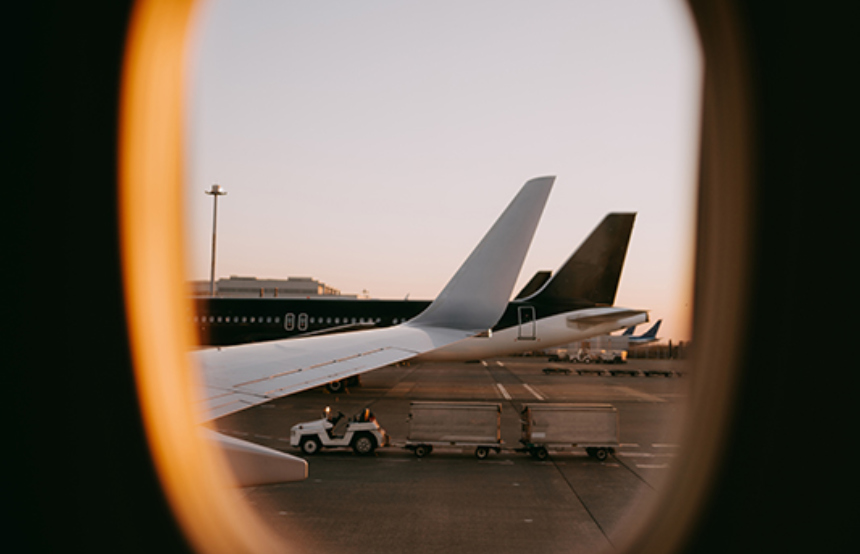
At Original Travel, we believe life is in the detail, and that applies as much to your peace of mind as it does to the perfect restaurant reservation. Booking your own travel might feel simple, but the real question is: who is looking after you when the unexpected happens? As a UK tour operator, we carry a legal duty of care for every client – a duty we take seriously, and then go well beyond (if we do say so ourselves).
11th February 2026 - Travel Tips

Last updated: March 2026 by Lucy Bailey, our Saudi Arabia Specialist. Due to the ongoing situation in the Middle East, the FCDO currently advises against travel to certain parts of Saudi Arabia, although travel is still possible to major hubs such as Al-Ula, Jeddah and Tabuk. It’s always important to check the travel advisories issued by your government before travelling to any foreign country. For the latest advice, please visit:
13th March 2026 - Saudi Arabia Travel Tips
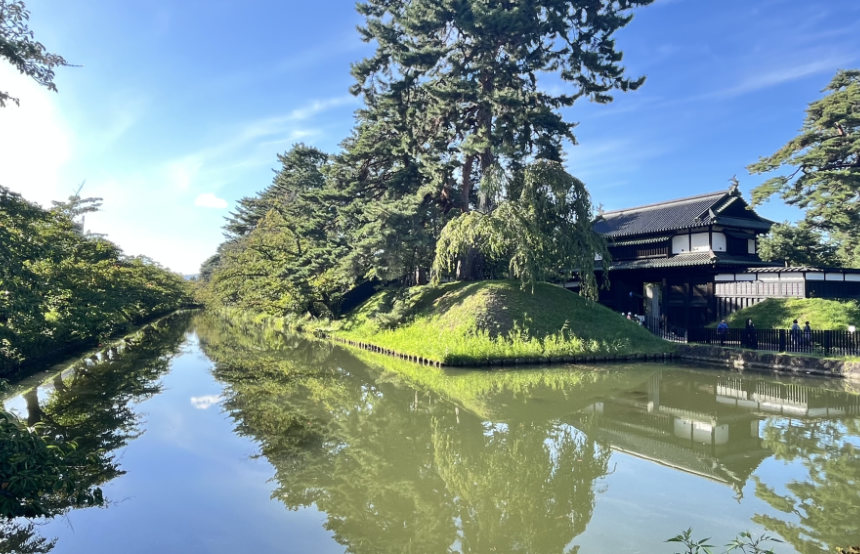
On a recent research trip to Japan, our Asia specialist, Joyce, spent ten days exploring the lesser-trodden treasures of Tohoku, in northeast Honshu. She stayed in cosy mountain-framed ryokans, hiked along Iwate’s rugged coastline and admired Japan’s deepest lake – all without the crowds. From sipping smooth sake to sampling fresh uni, it was a trip for the books. Keen to know more? Read on for the most memorable moments from Joyce’s time in Japan.
24th November 2025 - Japan Travel Tips
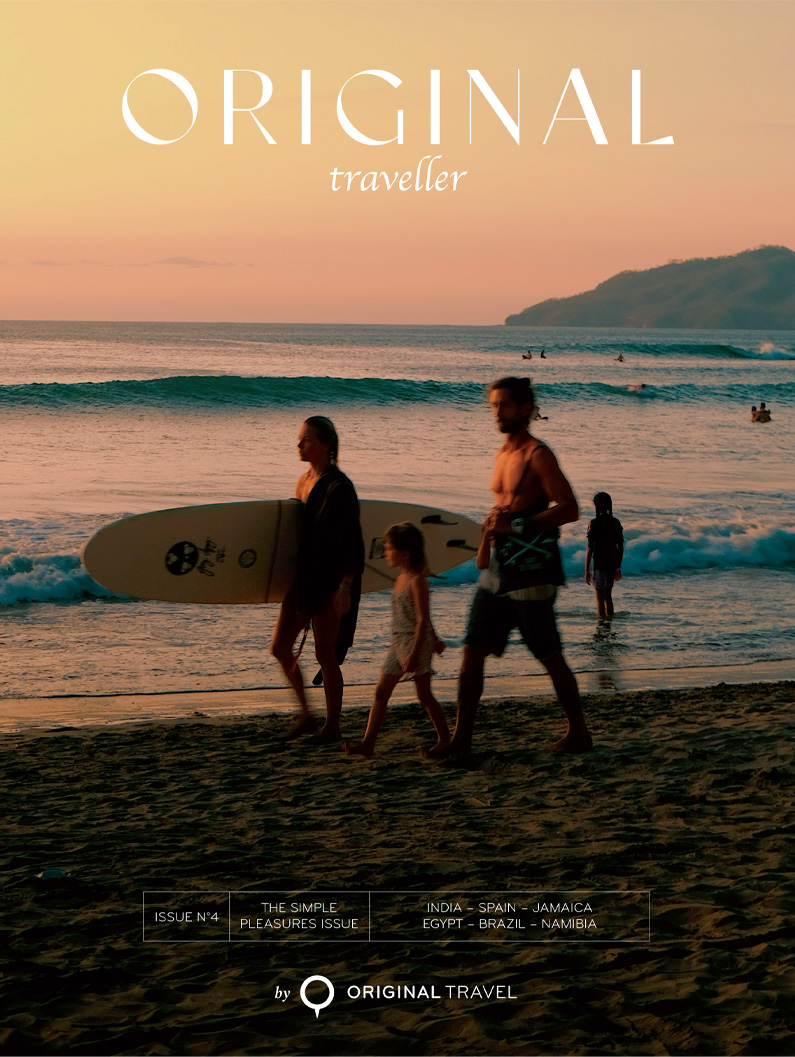
Welcome to the fourth issue of Original Traveller. Inside you’ll find wonderful articles by the UK’s finest travel writers, accompanied by pictures from award-winning photographers. These lovely long-reads are supplemented by the latest travel news, views and trends brought to you by the Original Travel team, who have – as ever – been circumnavigating the globe on research trips. The issue is themed around travel’s simple pleasures, so you’ll also read about our recommendations for sleeping under canvas (in comfort), foodie foraging tips and new train routes to take. Happy reading!
Order the Magazine
Our team of destination experts will get to know you and your unique requirements for your holiday
We work with you to build an ultra-personalised holiday itinerary with your choice of accommodation, experiences and activities
All of our holidays include little extras designed to make a big difference to your trip, from checking you in for your flights to our network of local Concierges