Is it Safe to Travel to Saudi Arabia?
Last updated: March 2026 by Lucy Bailey, our Saudi Arabia Specialist. Due to the ongoing situation in the Middle East, the FCDO currently advises against travel to certain parts of Saudi Arabia, although travel is still possible to major hubs such as Al-Ula, Jeddah and Tabuk.
It’s always important to check the travel advisories issued by your government before travelling to any foreign country. For the latest advice, please visit: https://www.gov.uk/foreign-travel-advice/saudi-arabia
Despite being closed off to Western travellers until 2019, this vast Middle Eastern kingdom is on a mission to establish itself as a tourist hotspot (and prove that it’s more than just an oil giant) as part of its ‘Vision 2030’ programme. Whether you’re after ancient ruins, vibrant cities or diverse natural landscapes, Saudi Arabia has them all, and we’re excited for more and more people to add it to their travel bucket list.
While there are big things on the horizon for Saudi Arabia, its complex past has led to a somewhat negative impression of the country, leaving tourists wondering whether it’s safe to visit. We completely understand why you might be worried, but luckily, we’re here to set the record straight and provide all the information you’ll need when you’re asking: ‘is it safe to travel to Saudi Arabia?’
What are the potential risks?
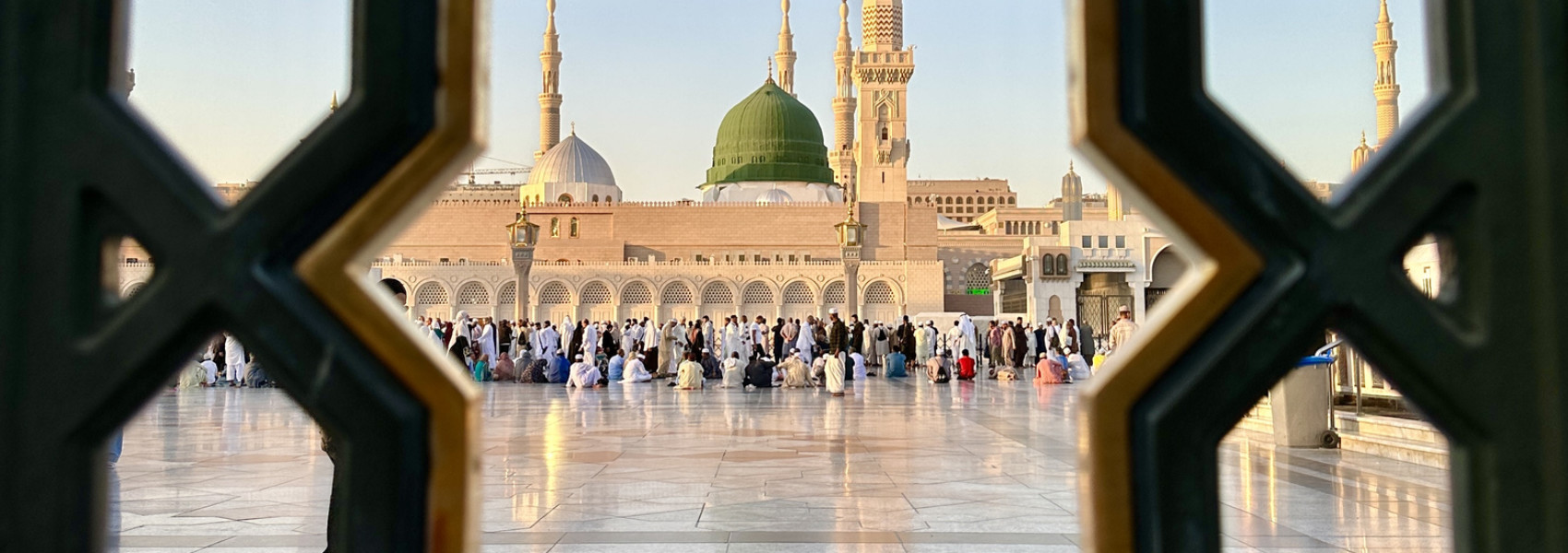
There are a couple of things to bear in mind when wondering whether it’s safe to travel to Saudi Arabia. The FCDO currently advises against travel to the Eastern Province, the Riyadh Province and areas within 50 miles of the Saudi Arabia-Yemen border, but some of the country’s most culturally rich cities are still considered safe to visit, such as Al-Ula, Tabuk, Jeddah and Medina.
There are also broader risks associated with travel to the Middle East due to ongoing regional conflicts. As a result, it’s essential to stay informed about current events, and our specialists are happy to advise you on this before booking.
The crime rate in Saudi Arabia is generally low, but (as with most places) there is a risk of theft and other petty crimes. To avoid this, stay alert and keep a close eye on your belongings. Sadly, as with many other destinations, there have been reports of more serious crimes, particularly towards women, so it’s important to stay vigilant (especially when travelling outside of large towns and cities).
Learn about local customs
Saudi Arabia is a Muslim country with strict Islamic laws, so it’s important to dress modestly in public. It’s respectful for both men and women to wear loose-fitting clothes that cover their knees and elbows, and while women no longer have to wear a traditional abaya when in cities or towns, it is still required when visiting mosques or other holy sites.
There are several customs to bear in mind when you’re visiting Saudi Arabia. In public, travellers should refrain from swearing, making rude gestures and playing loud music (and it’s advised to be generally polite and respectful). It’s also essential not to criticise some specific topics publicly, including Saudi royalty and government, Islam and Saudi beliefs and the Israel-Palestine conflict.
The consumption of alcohol is illegal in Saudi Arabia, so restaurants and shops do not serve it. While it may be tempting, it’s important that travellers do not buy alcohol at the airport they departed from and attempt to bring it into the country, as it will be confiscated and may result in more severe consequences. There is also zero tolerance for drugs across the country.
There is a law against premarital sex in Saudi Arabia, but unmarried couples are permitted to share hotel rooms. Same-sex relations are also illegal in Saudi Arabia, so LGBTQ+ travellers should bear this in mind if they decide to visit. Despite the law, the Saudi tourist board stipulates that everyone is welcome to visit the country, and you won’t be required to disclose any personal information, including sexuality. Both hetero- and homosexual couples should avoid public displays of affection.
Attitudes towards women
When asking the question ‘is it safe to visit Saudi Arabia?’, attitudes towards women may be at the forefront of your mind. While it’s far from the only country to face these issues, Saudi Arabia has a particularly complex history on attitudes to gender equality, so it’s understandable that you may be worried about this when contemplating visiting – but we’re here to reassure you.
Despite its tumultuous past, Saudi Arabia is changing – and for the better. Since 2017, reforms across several sectors have led to a significant increase in rights for women, including, notably, lifting the ban on women driving. It’s important to recognise that there is still work to be done when it comes to women’s rights, but the current reforms demonstrate meaningful progress: in 2021, nearly 60% of Saudi university students were female, and several Saudi women now hold positions of political power.
As with many other destinations, women should remain vigilant in Saudi Arabia, but there is no particular risk associated with travelling to the country, and many female travellers visit Saudi Arabia solo. As we mentioned earlier, it is still respectful for women to wear loose-fitting clothes and cover their knees and elbows, but there is no requirement to cover their hair or wear an abaya unless visiting religious sites.
Disclaimer: it’s always important to check the travel advisories issued by your government before travelling to any foreign country. For the latest advice, please visit: https://www.gov.uk/foreign-travel-advice/saudi-arabia.
Header image by Mansoreh Motamedi / Getty Images.
Why visit Saudi Arabia with Original Travel ?
Travelling with us means enjoying a trip that has been meticulously crafted by our team of experts, each knowing their specialised country like the back of their hand. Tailor-made with originality, quality and cultural immersion in mind, we can customise itineraries based on your taste, be that an architecture aficionado, a food fanatic or an environment enthusiast. Working hand-in-hand with local Concierges and guides, we’ll uncover spots perfect for you. From hidden gems to iconic landmarks, our curated experiences are supported by an array of additional services, including a 24-hour helpline and an app full of recommendations.
Enquire nowA few of the benefits of travelling with us to Saudi Arabia
- Our local Concierges
- The Original Travel app
- Destination Dossier
- 24-hour helpline
- Expert guides
- 100% carbon absorption
You might also like
Practical advice and inspiration for your next trip
Five Reasons to Visit Saudi Arabia
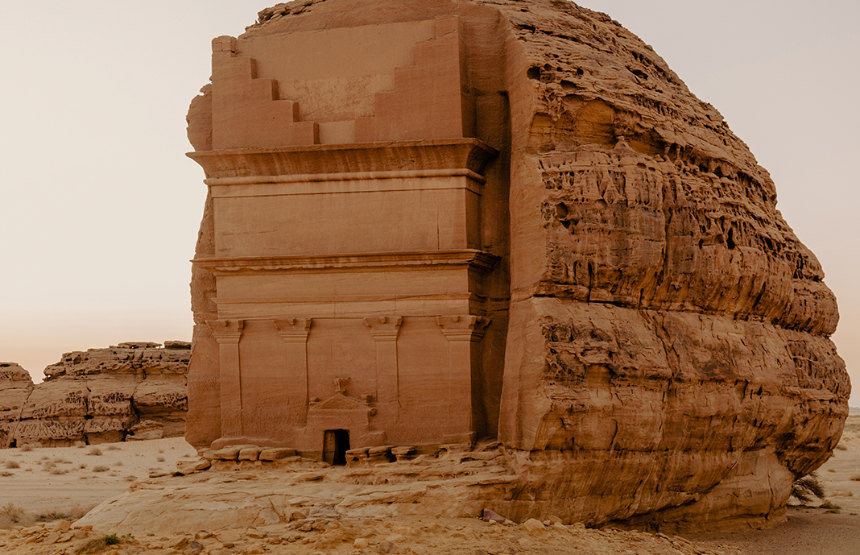
Saudi Arabia may be relatively new to the international tourism scene, but it still has plenty to shout about. Fusing sleek modernity with ancient heritage, this mighty Middle Eastern nation boasts a whopping eight UNESCO World Heritage sites, copious cultural landmarks and untouched natural beauty. Not to mention its hearty cuisine, thriving coral reefs and idyllic island chains. Still wondering, why visit Saudi Arabia?
1st December 2025 - Saudi Arabia Travel Inspiration