Our Eight Best Hikes in Japan
Published 21st Sep. 2026
Written by Emma Begley
Reading time
In our experience (of which we have plenty), there are two main things that draw travellers to Japan: rich culture and spectacular scenery. And how better to appreciate this killer combo than spending your holiday hiking in Japan? From the ancient Kumano Kodo pilgrimage network to the film-worthy landscapes of Yakushima Island, Japan boasts a number of incredible hiking trails, winding past dense forest, tranquil temples and wonderful waterfalls. So, whether you’d rather tack on a trek to the end of your city break or spend your whole holiday in the great outdoors, read on for our Japan expert Joyce’s list of the best hikes in Japan…
- Kamikochi Valley, Japanese Alps
- Kumano Kodo, Kii Peninsula
- Mount Daimonji, Kyoto
- Michinoku Coastal Trail, Tohoku
- Nakasendo Trail, central Japan
- Shiratani Unsuikyo, Yakushima Island
- Kibune and Kurama, Kyoto
- Daisetsuzan National Park, Hokkaido
1.
Kamikochi Valley
Japanese Alps
Distance (Taisho – Myojin Pond): 4.3 miles
Difficulty: Beginner
As any seasoned trekker would, we’re kicking off our list with a scenic showstopper: the Kamikochi Valley. This glorious alpine valley features a picturesque river, rippling streams and verdant forests backdropped by the towering Hida Mountains – also known as the northern Japanese Alps. As if that wasn’t enough, it also boasts a number of pretty hiking trails, so even total beginners can snap that perfect glacial shot.
After a leisurely ramble? Head to Taisho Pond and wind your way along the crystalline Asuza River to Myojin Pond. For the best views over the Japanese Alps, set off on this six-mile hike in winter, catching a glimpse of everything from snow-capped peaks to cute monkeys.

Image by PixHound/stock.adobe.com.
2.
Kumano Kodo
Kii Peninsula
Distance (Nakahechi route): 24 miles
Difficulty: Intermediate - Advanced
Okay, okay, so the Kumano Kodo isn’t just one trail, but when it comes to a list of the best hikes in Japan, it would be criminal for it not to make an appearance. One of the world’s most legendary hiking routes, the UNESCO-listed Kumano Kodo is an ancient network of pilgrimage trails, undertaken for thousands of years by people from all walks of life seeking spirituality and reconnection to religion.
The sheer scale of the Kumano Kodo means you have to be picky when choosing your trail, but we’d recommend spending a few days hiking the Nakahechi route, a challenging trek that connects the Kumano Sanzan, a set of three magnificent Shinto shrines. Wander through ancient forests and over mountainous terrain, soaking in the spirituality of each site, before enjoying nights in traditional rural ryokans dotted along the way.

Image by Al Gonzalez / Getty Images.
3.
Mount Daimonji
Kyoto
Distance: 4.5 miles
Difficulty: Beginner
This rugged route, which centres around Kyoto’s iconic Mount Daimonji, connects two beautiful Buddhist temples, Nanzen-ji and Ginkaku-ji, along a four-and-a-half-mile hike. Both temples offer an insight into the Rinzai Zen school of Buddhism, which centres around achieving spiritual awakening through intense meditation and complex riddles.
And, if you’re lucky enough to be visiting in August, you can catch the annual Mount Daimonji festival (or Gozan no Okuribi), when giant bonfires are lit to illuminate the iconic ‘dai’ symbol etched into the side of the mountain. Lights, camera…

Image by Masahiro Makino / Getty Images.
4.
Michinoku Coastal Trail
Tohoku
Distance (Kitayamazaki – Kurosaki): 6 miles
Difficulty: Intermediate
Next up on our list of the best hikes in Japan is a lesser-known path trodden by Joyce, our very own Conde Nast Traveler Top Travel Specialist for Japan. Set in the northeastern region of Tohoku, the Michinoku Coastal Trail follows over 600 miles of Japanese coast, from the scenic headland of Kabushima to Matsukawaura’s sparkling lagoon.
Of course, it’d take a while to complete the whole course, so if you don’t have quite enough annual leave, Joyce recommends hiking the Iwate coast section of the trail, which is exactly what she did on her recent trip to Japan. With its dramatic cliffs, quiet fishing villages and fragrant pine forests, this pretty stretch of coastline is something of a hidden gem, so you’ll be able to soak up the scenery in peace.

Image by Masaki/Mark - stock.adobe.com.
5.
Nakasendo Trail
Tokyo to Kyoto
Distance (Magome – Tsumago): 5.3 miles
Difficulty: Intermediate
Established during the Edo period, which spanned the early 15th to late 19th centuries, the Nakasendo trail is a historic trade route connecting Edo (now Tokyo) with Kyoto. The route, once walked by the period’s samurai warriors, stretches over 350 miles across Japan’s mountainous centre, winding through lush rural countryside and traditional villages.
Although the trail isn’t quite what it used to be, large sections steeped in samurai history remain. For the best insight into the original Nakasendo route, head to the Kiso Valley and hike between Magome and Tsumago, which allows you to step back in time as you wander through rice paddies, traditional towns and spiritual shrines.

Image by dssama / Getty Images.
6.
Shiratani Unsuikyo
Yakushima Island
Distance:
Yayoi Sugi route: 1.2 miles
Taikoiwa Rock route: 3.5 miles
Difficulty:
Yayoi Sugi route: Beginner
Taikoiwa Rock route: Intermediate – Advanced
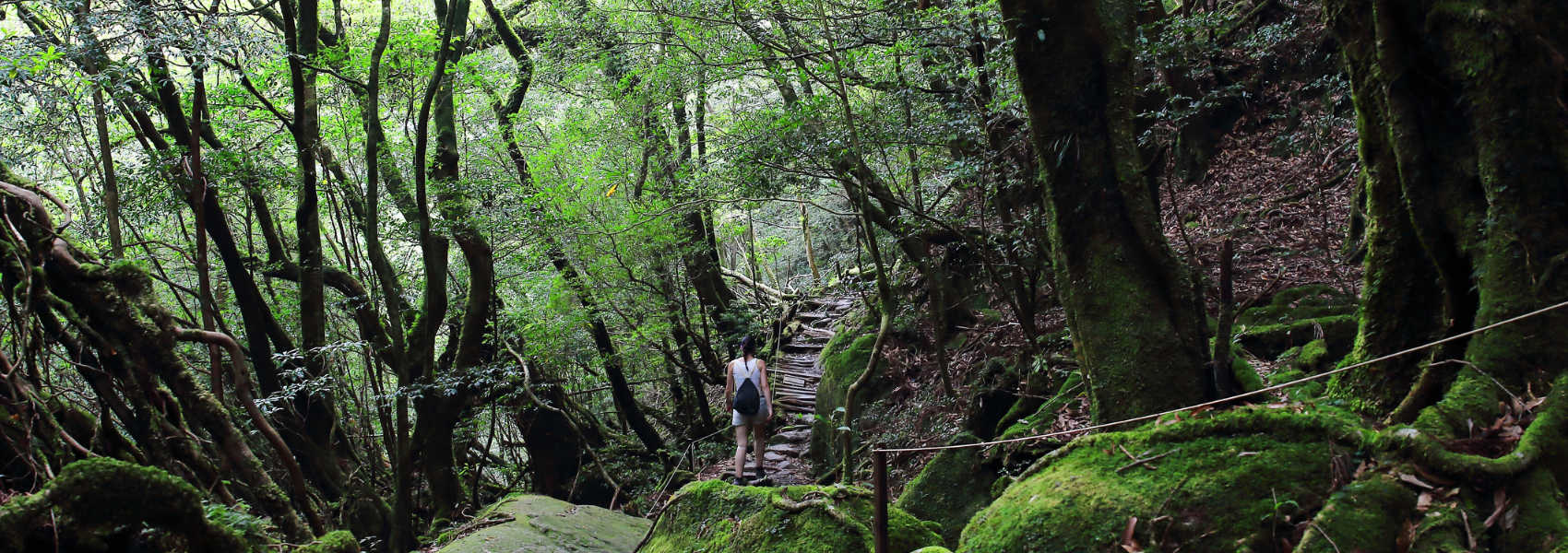
If you were drawn to Japan by its anime scene (we don’t blame you), drag yourself away from the big screen and head down to Yakushima Island, whose Shiratani Unsuikyo ravine inspired Studio Ghibli’s Princess Mononoke. Think fairytale-style forest covered in a blanket of emerald green moss, complete with ancient cedars and gushing rivers – and, luckily for us, a number of scenic hiking trails.
Lace up your walking boots and pick your hike, whether you’d rather take on a more challenging route dating back to the Edo Period or a more modern trail that carves its way through the forest with wooden boardwalks and stone paths. Either way, keep an eye out for some of the ravine’s wonderful wildlife, from playful macaques to button-cute Yakushima deer.

Image by Ippei Naoi / Getty Images.
7.
Kibune and Kurama
Kyoto
Distance: 2.5 miles
Difficulty: Beginner
We’re heading back to Kyoto for this next hike. Nestled in the very north of Kyoto are Kibune and Kurama, a pretty pair of rural villages connected by a scenic trail. Both villages can be easily reached by a speedy train journey, making them perfect for a peaceful day away from the bustle of the city centre.
Begin in Kurama, home to several scenic shrines, setting off on the two-and-a-half-mile wander to Kibune. You can technically cover this walk in a couple of hours, but we’d recommend taking your time, stopping to visit the mountaintop Kurama-dera Temple, admiring the stone steps leading up to the Kifune-jinja shrine and enjoying a tasty lunch in a riverside restaurant. Fresh seafood, anyone?

Image by Lia Shafikova / Getty Images.
8.
Daisetsuzan National Park
Hokkaido
Distance:
Sugatami Pond route: 1 mile
Asahidake summit hike: 3.5 miles
Difficulty:
Sugatami Pond route: Beginner
Asahidake summit hike: Intermediate – Advanced
Last, but certainly not least, is Daisetsuzan National Park. This sprawling national park – the second largest in Japan, no less – boasts a number of hiking trails nestled amid three volcanic mountain groups: Tokachi, Shikaribetsu and Daisetsuzan itself.
Some of the best hikes within the park take place on these peaks, with a frontrunner being Asahidake, the tallest stratovolcano in Hokkaido. Depending on your hiking prowess, set off on a calm stroll past the rippling Sugatami Pond, or set your sights on the mountain’s summit for incredible views over the rugged landscape. While Asahidake and a few of the park’s other volcanoes are active, don’t let this put you off – there is a thorough monitoring system in place, meaning you can enjoy the glacial views without a worry.

Image by @ Didier Marti / Getty Images.
Header image by Nachosuch / Getty Images.
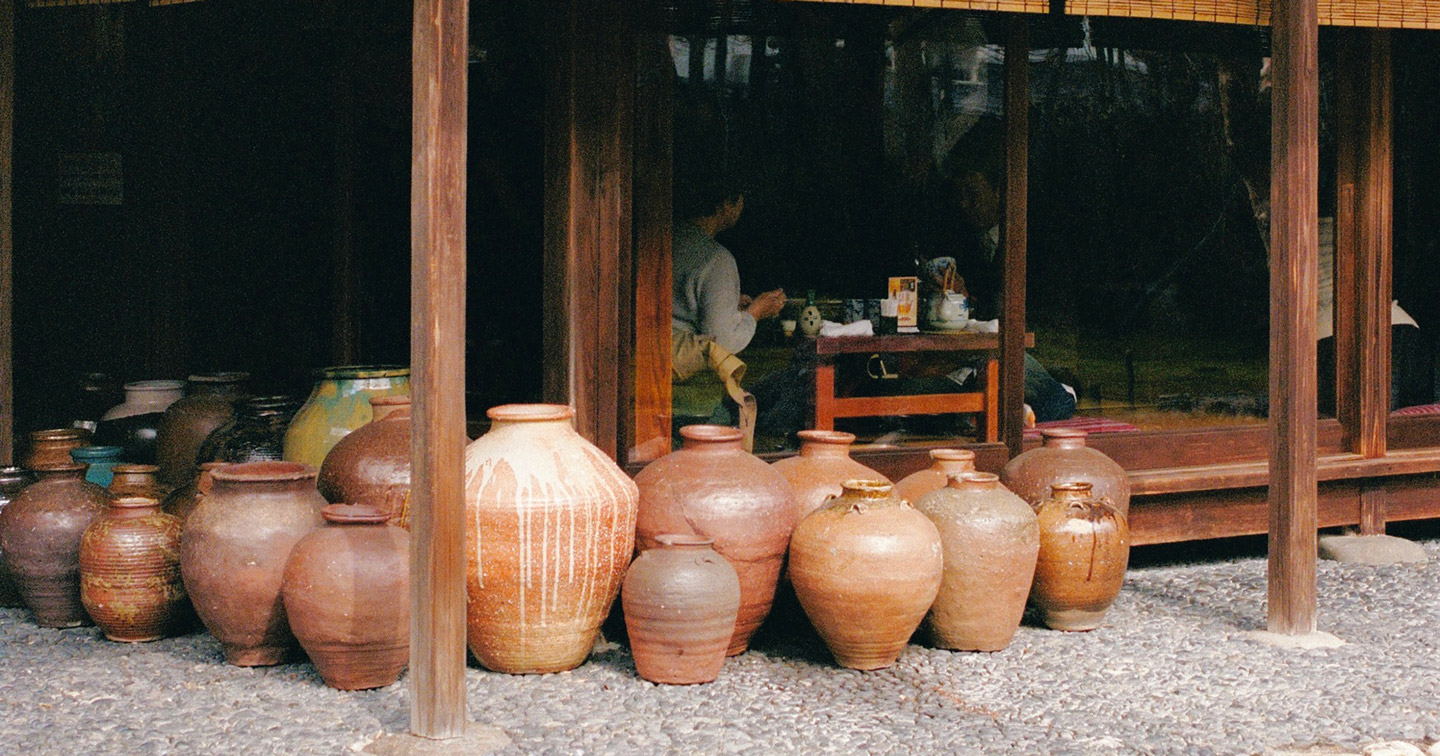
Why visit Japan with Original Travel ?
Whether you’re a family seeking Tokyo’s futuristic museums or a couple wishing to relax in Hokkaido’s onsens, we’ve got you covered. Our consultants have first-hand experience of living in Japan, so we know the secret spots off the beaten track (and how to reach them). Train travel is the best and most efficient way to explore the country, and wherever you visit, getting to grips with Japan’s diverse culture is a must. We work with guides who provide in-depth experiences on the history of Samurai or Geisha culture, and we have hand-picked traditional ryokan properties to rest your head in.
Enquire nowA few of the benefits of travelling with us to Japan
- Our local Concierges
- The Original Travel app
- Wi-Fi router and e-Sim
- Destination Dossier
- 24-hour helpline
- Expert guides
- 100% carbon absorption
You might also like
Practical advice and inspiration for your next trip
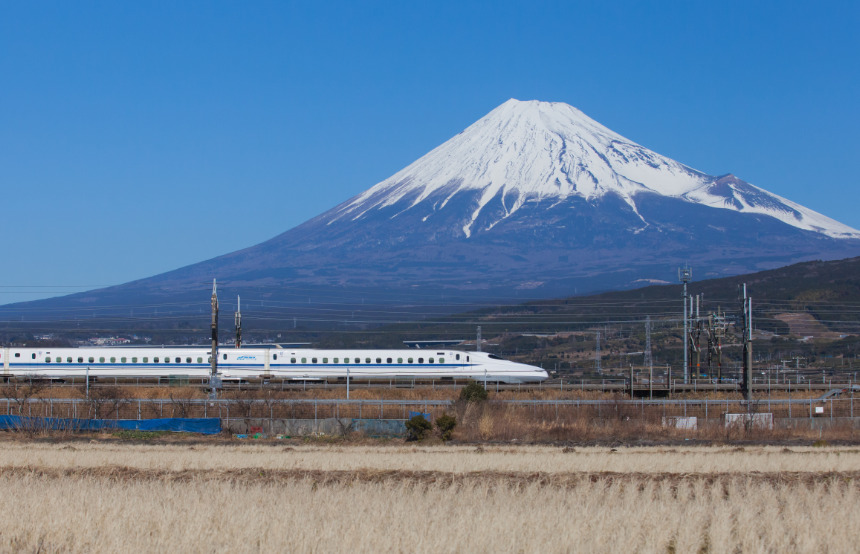
Our Guide to Bullet Trains in Japan
Do you want to immerse yourself in Japanese culture while also seeing as much of the country as you can in one trip? Enter Japan’s bullet train. Iconic, impressive and efficient, these sleek speedsters are an integral part of the country’s culture, transporting thousands of locals every day. In between strolling cherry-lined streets, sampling skewers of yakitori or watching anime shows, hopping aboard a bullet train should feature on any Japan holiday itinerary.
13th July 2026 - Japan Travel Tips
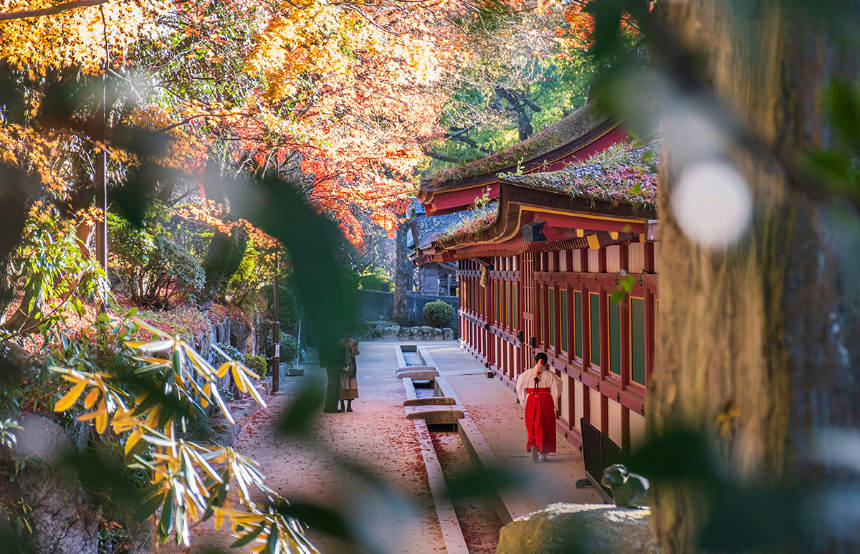
Best Temples in Japan
Just stepped off the Shinkansen, explored the vibrant streets of Tokyo and had your fill of ramen? Then you’ll know Japan is dazzling, and a little hectic at times. That’s where temples come in – and with over 150,000 sacred sites across the country, you’ll see signs for otera (temple) and jinja (shrine), everywhere. Follow them and find peaceful pavilions, meet resident deer bowing for a biscuit or two and even tiptoe through ninja hideouts filled with secret rooms.
27th April 2026 - Japan Travel Inspiration

Best Time to Visit Tokyo
A multifaceted metropolis, Tokyo caters to everyone – and every season. While it's become synonymous with cherry blossoms in recent (Instagrammable) years, it has far more to offer than merely a springtime sojourn. Painted in shades of red throughout autumn, blanketed in snow in winter, and heavy with heat and humidity in summer; this urban titan yields to the full influence of every season. Whether you want to part from the herd to witness snowy wonderlands or brave the crowds to capture the fleeting floral blooms, you can experience it all right here.
2nd March 2026 - Japan Travel Inspiration