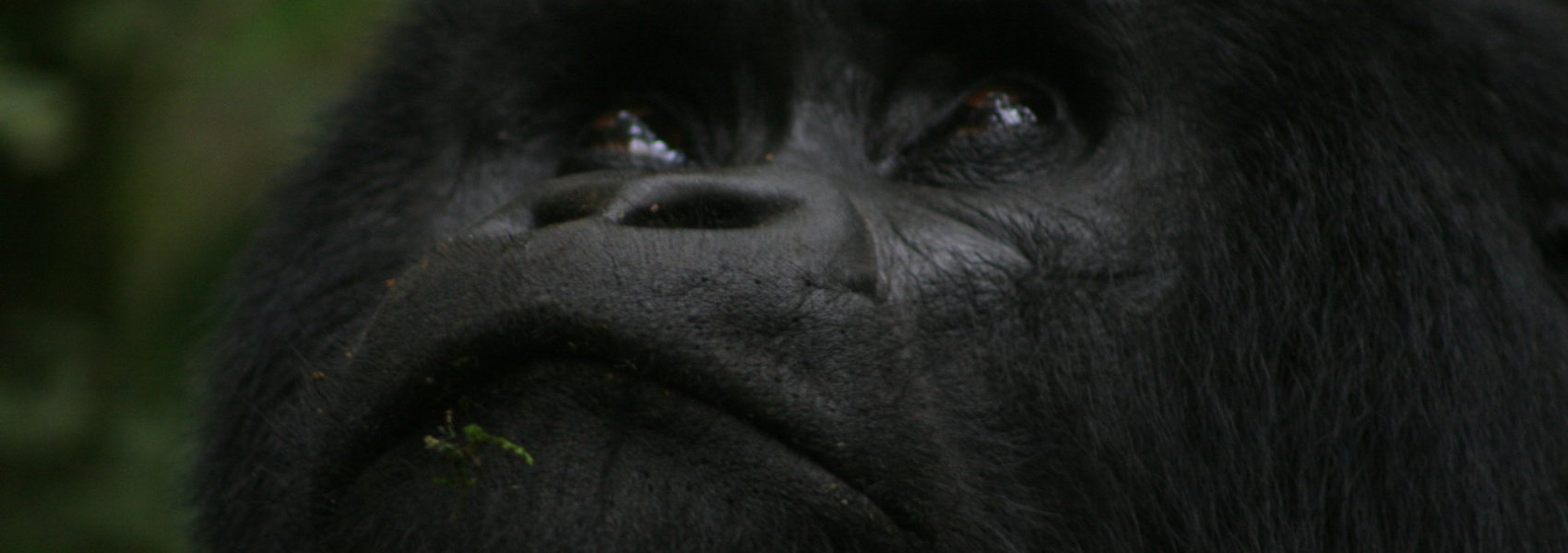
Gorilla Trekking in Uganda vs Rwanda
Deciding where to go gorilla trekking should be easy. There’s a finite number of gorillas left, and they all inhabit a relatively small area. The only problem? This area spans two equally enticing countries. One is Uganda, once dubbed the ‘Pearl of Africa’ by Winston Churchill, a nickname still used today. The other is Rwanda, which bats back with a revered redemption story and a booming tourism industry. Both countries (of course) offer thrilling trekking experiences. So, who comes out on top? The answer is deceptively simple: neither. This means you’ll need an intimate knowledge of each to make the right call. Thankfully, we have you covered. Read on for the lowdown on gorilla trekking in Uganda vs Rwanda...
Trekking conditions
Despite its moniker, ‘Land of a Thousand Hills,’ Rwanda ultimately has easier trekking conditions than its sprawling neighbour. The terrain of Volcanoes National Park (the iconic gorilla trekking site) is usually quite forgiving, thanks to its bamboo forests, which create a less dense canopy. The lighter rainfall here also makes the tracks easier to follow. However, it’d be unfair to say that Rwanda’s gorilla trekking scene suffers from an absence of adventure. The higher altitudes bring their own challenge, and, since it’s still a rainforest, it’ll require some good old-fashioned hard work.
By contrast, Uganda’s Bwindi Impenetrable Forest more than lives up to its name. Characterised by steep, muddy terrain, made trickier by frequent rains throughout the year, this landscape is not for the faint of footing. And, since the gorillas are more spread out here, you may have to travel far and wide to find them. While this could truncate your time with the mighty mammals, it’ll also make for a more exhilarating search. Fancy yourself a keen explorer? Then this is the place for you.
Winner: Rwanda for its gentler trekking conditions (your legs will thank you).

Image by Andaman SE/Getty Images/iStockphoto
Permits and preparation
Since Uganda has historically been less travelled to, there’s generally more availability when it comes to permits. They’re also far less expensive than those doled out by its plucky neighbour (we’re looking at you, Rwanda). Because of this, it’s more affordable to do a few treks in Uganda, allowing you to have a more varied experience and spot multiple gorilla families. However, in Rwanda, the cost (like the altitude) is a little steeper. This means you’ll likely only do the one trek on your visit.
Preparation is key when visiting both countries, not least because most of us (unless you’re keen to trudge through sludge) would rather go trekking in the dry season. The good news is that both Uganda and Rwanda share similar trekking windows, with the best conditions typically falling between June and September and December to February, so the choice is yours.
Winner: Uganda takes the edge when it comes to more flexible permits.

Accessibility
Never has the disparity between gorilla trekking in Uganda vs Rwanda been so apparent. A mere two-hour drive from Kigali International Airport, the latter’s Volcanoes National Park is a breeze to reach. To make things even better, the roads are marvellously well-maintained and – if you travel with us – we’ll provide a private driver. There’s also only one starting point for treks in Rwanda, which means less hassle and more trekking.
On the other hand, in Uganda, the route to Bwindi Impenetrable Forest is almost as daunting as the forest itself. Taking between eight and ten hours, this drive requires a certain deal of patience (or an excellent arsenal of road trip games) to endure. Alternatively, you can fly to Bwindi from Entebbe or fly into Rwanda and drive over the border. Once you arrive, Uganda throws another challenge your way: with four different trailheads in Bwindi, some of which may require another jagged journey to reach. Safe to say they’re keeping us on our toes, but it’s all part of the adventure.
Winner: Rwanda for the easy access to Volcanoes National Park.

Image by Andreas Hub/LAIF-REA
Longer wildlife adventures
If you’re keen to incorporate your gorilla trekking experience into a longer safari, Uganda is the standout option. Queen Elizabeth and Murchison Falls National Parks are both firmly established savannah reserves. There’s also Kidepo National Park, tucked in a corner bordering Sudan and Kenya, you’ll find everything from water buffalo and elephants to giraffes and zebras. Elsewhere, criss-crossed by rivers and partially plunging into Lake Albert, the Semuliki Wildlife Reserve and National Park is another compelling contender for extending your trip. It’s home to over 1,000 bird species and a whole host of iconic African mammals.
While Rwanda has held its own throughout this list, it falls short as a safari destination, though it does have a few wildlife adventures up its sleeve. Bordering Burundi, Nyungwe Forest National Park is the largest remaining tract of forest in the country. It’s home to at least 13 different primate species, 120 species of butterfly and over 322 bird species. Speaking of birds, Lake Muhazi is also great for avian appreciation. So, although it doesn’t have any palatial lakes named after iconic British royals, there are several reasons to keep you in Rwanda long after your gorilla trekking journey ends.
Winner: Uganda for its wonderful wildlife and variety of safari options.

All the gorilla images in this blog were taken by our very own Africa specialist (and one of our 16 Conde Nast Traveler Top Travel Specialists), Jamie Armstrong.
You might also like
Practical advice and inspiration for your next trip
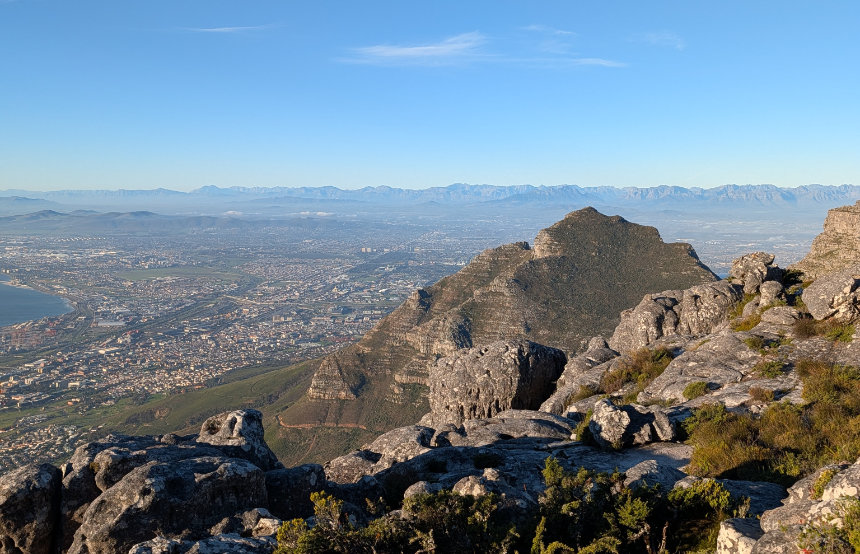
Just Back: Jamie's Research Trip to South Africa
Having recently returned from a research trip to South Africa, our Africa specialist, Jamie, has plenty of stellar advice and up-to-date info for anyone looking to whisk off to the Rainbow Nation. From olive oil and wine tastings in one of Cape Dutch's oldest farms to running past dolphins on a coastal path and walking with cheetahs on an unforgettable safari – she's done it all. So, read on for the inside scoop on Jamie's travels.
7th October 2026 - South Africa Travel Tips
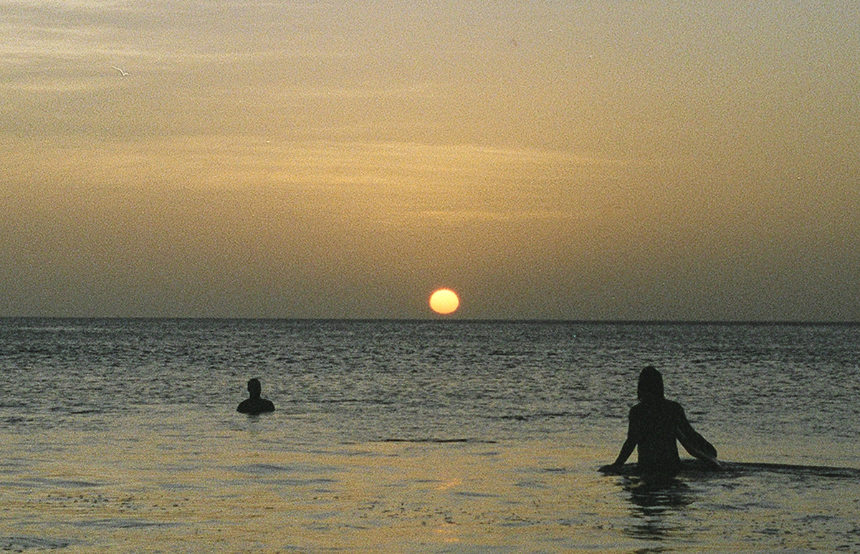
Just back: Charlie’s Research Trip to Nicaragua
Charlie, one of our Latin America specialists, spent six weeks exploring the top spots and lesser-trodden treasures of Nicaragua. He spent four weeks travelling around the mainland before venturing to the Corn Islands – an under-the-radar gem. From hiking around the volcanoes near Leon to kayaking through the mangroves of Las Isleta’s, it was a trip packed with highlights. Intrigued? Read on to find out more about Charlie’s adventure in Nicaragua.
24th September 2026 - Nicaragua Travel Tips
How will El Nino affect travel in 2027?
Unless you've been living under a rock recently, you'll have heard that a strong El Nino is developing in the Pacific, and it is likely to influence weather well into 2027. El Nino occurs when unusually warm Pacific waters alter weather patterns around the world. Some models indicate this edition could become one of the strongest on record. So how will El Nino affect travel in 2027? I’m no meteorologist, but those far better informed than me are saying:
10th September 2026 - Travel Tips