What is a Masseria? Explore Italian Luxury
Published 6th Mar. 2026
Reading time
Masserie are deeply rooted in Puglia’s history and culture. For centuries, these agricultural estates have shaped the lives of local people and withstood periods of intense socioeconomic transformation. The land and the farmhouses are so intrinsically linked, it’s hard to imagine spending time in Puglia, or to get a true feel for the heart and soul of the region, without exploring all that a masseria stay has to offer. So, join us as our Italy expert, Valeria, explains what a masseria is – just don’t blame us if you can’t resist returning to Puglia again and again...
What is a masseria?
A masseria (plural masserie) is a type of historic farmhouse that is traditional to Puglia and other regions of southern Italy, like Campania and Sicily. With some structures dating back as far as the 15th and 16th centuries, they’re a key part of the identity and culture of rural areas.
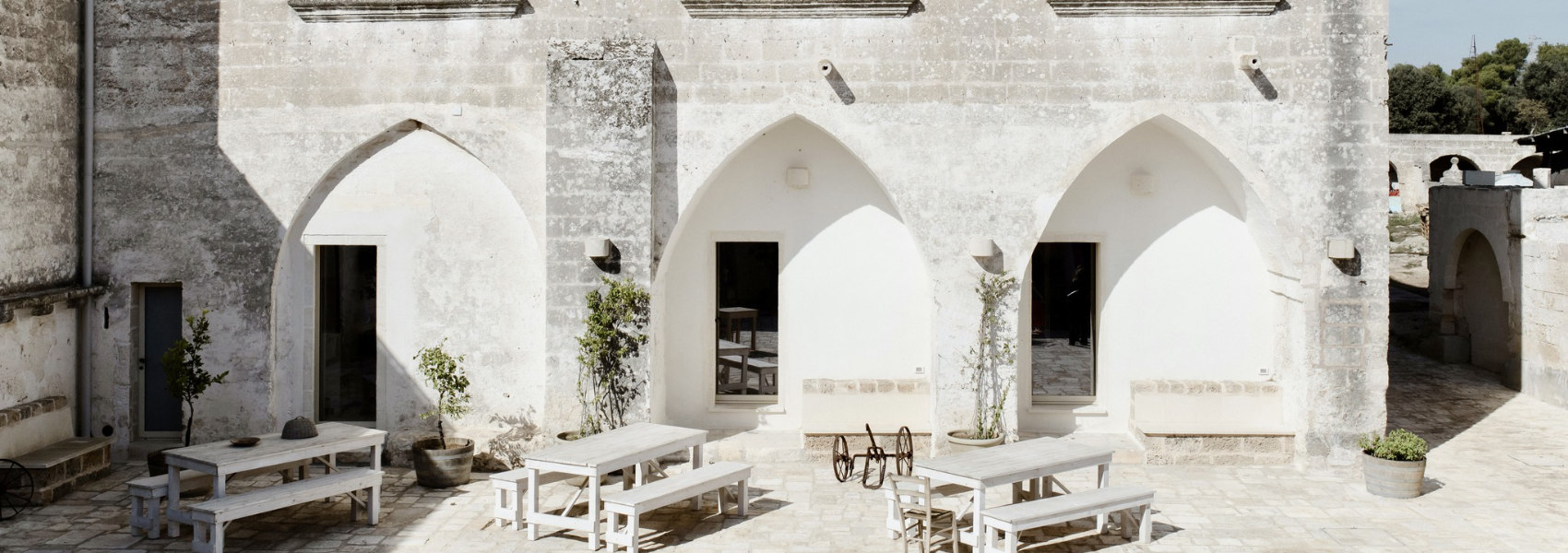
Masserie were functional properties where goods like olive oil, wine, grains or dairy products were produced. They’re known for their fortified design features, including thick limestone walls, small windows, internal protected courtyards and watchtowers, which would once have been used to protect and defend against invaders.
Multiple buildings make up masseria estates, which would once have housed the landowner and workers, and included outbuildings like stables, barns and storage areas. Each masseria is different, with features varying between them depending on their history. Some even have chapels and underground oil mills.
Today, many of these buildings have been turned into luxurious retreats that still retain their original features and rustic character.

Image by Kirsten Velghe / Unsplash
The history of masserias in Puglia
The history of the masseria can be traced back to Ancient Rome, when Puglia was an agricultural hub. Masserie at this time would have been far less complex than the ones we know today, and it’s likely they would have primarily functioned as a place to produce olive oil and grains. Many of these early structures still exist, with later 16th century farmhouses evolving from the same humble structures that would have once protected ancient Roman farmers and their livelihoods.
During the Middle Ages, masserie became more structured and transformed into the estates that closely resemble the modern masseria. At this time, the estates became strategically important, due to frequent invasions and raids. This is when thick limestone walls were erected, watchtowers were built, windows reduced in size and entry points became harder to find. These structural changes helped to protect the people, livestock and agricultural produce inside the estates from slave raiders, pirates, bandits and other invaders. Most of these masserie with fortified structures were constructed around the 16th century and still stand today.
Before 1806, the role and structure of the masseria was influenced by feudalism, when people would have lived and worked on the estates in exchange for shelter, protection and a share of the produce. When feudalism was abolished in the early 19th century, the legal status of working people changed, breaking this system. New laws aimed to redistribute land, but as workers couldn’t afford to buy it, these masserie would stay in the hands of wealthy lords. It’s at this point that many masserie became private property.
By the mid 19th century, thanks to the emergence of modern agricultural practices and industrialisation, many of these masserie were abandoned by their former owners and purchased as tourism properties. The masseria as we know it today then emerged – and travellers had a new way to enjoy Italy.

Image by Nuria Val / Coke Bartrina
What is it like to stay in a masseria?
A masseria stay offers a chance to connect with years of history and to roam the same whitewashed halls and cobblestone courtyards as locals have done for centuries. Of course, laborious work and territory defence are no longer a cause for concern, and you needn’t worry about the functionality of the property. Today’s luxury masseria stays are all about slow living, feeling the warm sun on your skin as you while away the days in your private courtyard, exploring the olive groves and peering out over rolling hills and valleys from your charming 16th-century windows. You can lounge by the pool and enjoy the other modern amenities many masserie now have to offer, too.
Some of the farmhouses have been converted into boutique hotels, while others remain as simple apartments or rustic B&Bs. Some still stand as their traditional estates and can be rented out long-term. Offerings vary, too, with some masserie providing spa treatments, cooking lessons and yoga sessions. Some luxury masseria hotels even have their own golf courses and private beaches.

Image by Masseria Cuturi
Visiting in the off season
The off season in Italy is between November and March. At this time of year, Puglia feels quiet and atmospheric, and masserie are a tranquil space if you’re seeking a restful stay. Temperatures tend to be mild at this time of year, with many sunny, crisp days. Even when the heavens open, you can cosy up in your masseria, soaking in the charm and nostalgia.
Can you stay long term in a masseria?
Yes, some masserie have been converted into apartments with kitchens and wifi, so you can stay for a month or more depending on your plans. This is a great option for digital nomads and those who want to embrace slow travel experiences.

Image by Lucy Laucht
Working remotely from a masseria
Many modern masseria are functional and well-equipped for working remotely, with ample desk space and peaceful spots conducive to productivity. The scenery will keep you inspired, while the modern amenities will help you stay connected with teams back home.
Rural co-living is an excellent option if you want to connect with likeminded explorers and digital nomads. Usually included are private or communal accommodation, shared coworking spaces and organisational assistance from local hosts and community facilitators.

Image by Palazzo Muci
There’s a lot to see and experience in Puglia beyond the sun, sea and olive groves. A Puglia holiday provides an opportunity for valuable learning, by immersing yourself in the rich history and culture of this beautiful region and its masserie.
Header image by Masseria Cuturi
Why visit Italy with Original Travel ?
Italy is a holiday hotspot (for good reason), so our help in navigating the crowds is invaluable. From snapping up hard-to-come-by Vatican tickets (at the quietest times of day) to organising an archaeologist to guide you around Pompeii, our consultants have the insider intel to make your trip unforgettable. Stuck on where to stay? Our vetted accommodation options range from family-run ‘trullis’ in Puglia to big-name hotels in Venice. So, whether you're an adventurous family or a couple on a romantic retreat, we can find the version of Italy to suit you.
Enquire nowA few of the benefits of travelling with us to Italy
- Our local Concierges
- The Original Travel app
- Destination Dossier
- 24-hour helpline
- Expert guides
- 100% carbon absorption
You might also like
Practical advice and inspiration for your next trip
Italian Lakes Trip Planning: An Expert’s Guide
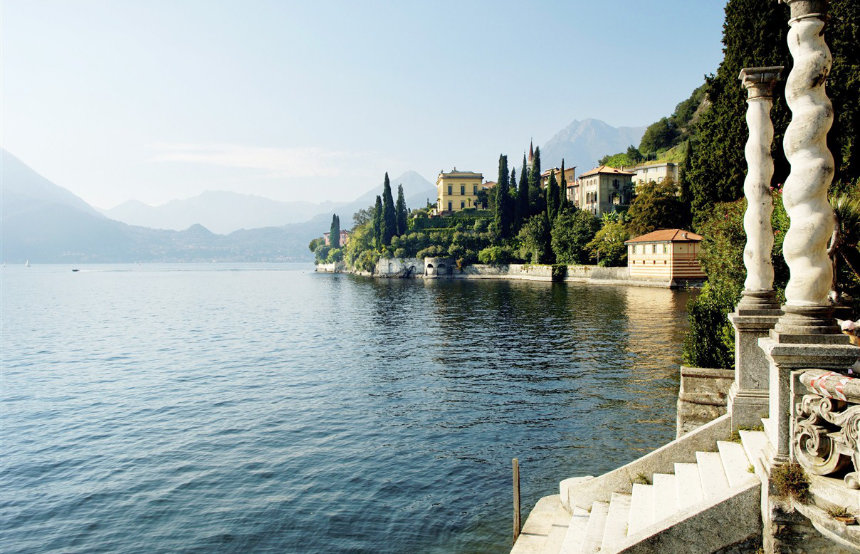
Slow down, take in the spectacular scenery, and savour the unhurried pace of life around the Italian Lakes. The lakes were made by glaciers retreating at the end of the last ice age and have been a popular destination since the Romans were in power, so the region has a rich history. Add in the landscapes, nature and the charm of the towns and villages, and you’ve got a recipe for relaxation. Here, our Italy expert, Valeria, runs through what you can do at the lakes and how to plan your trip.
18th February 2026 - Italy Travel Inspiration
Reasons to Visit the Dolomites in Winter
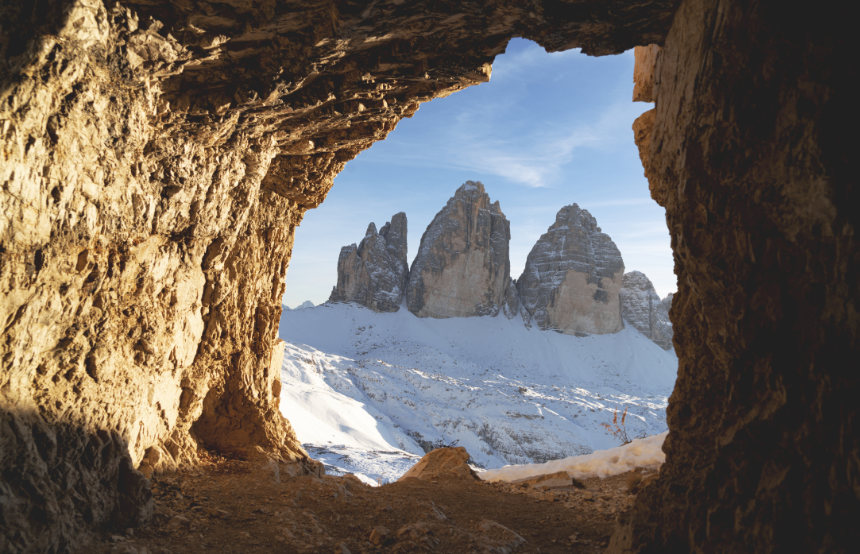
The Dolomites in winter are pure magic, with snow-dusted summits, rosy alpenglow and villages that look straight out of a fairytale. When the crowds thin and the mountains put on their white coats, this UNESCO-listed range transforms into one of Europe’s most breathtaking cold-weather destinations. Beyond its world-class slopes, the Dolomites invites you to hike along alpine trails, sip hot chocolate in mountain huts and watch sunsets paint jagged peaks.
2nd February 2026 - Italy Travel Inspiration
Just back: Valeria's Research Trip to Umbria and Tuscany
On a research trip to Umbria and Tuscany, our Europe specialist, Valeria, discovered that the best way to explore the Italian countryside is by car. During her road trip, she marvelled at Marmore Falls, admired the beautiful views over Lake Trasimeno and wandered through the UNESCO-listed village of Castiglione d'Orcia. From cooking classes to wine tastings, her trip was jam-packed with Italian delights.
14th October 2025 - Italy Travel Tips