Published 27th Apr. 2026
Written by Tom Barber
Reading time
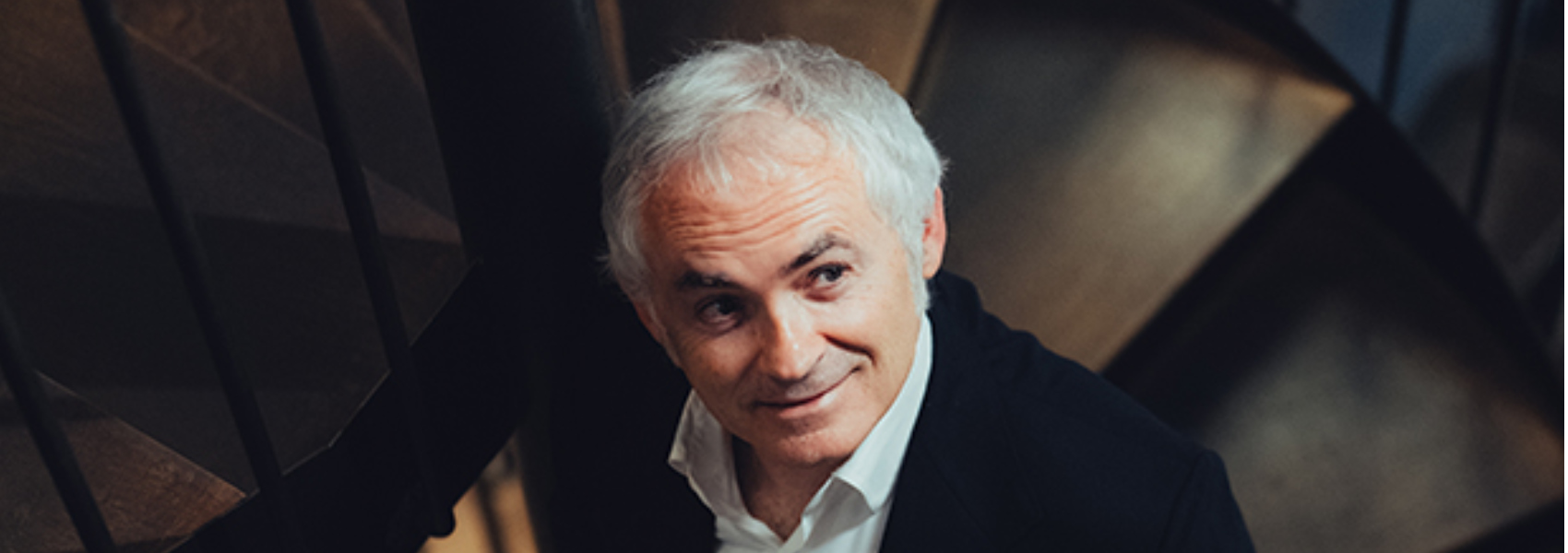
Meet Jean-Francois Rial, CEO of Voyageurs du Monde – the French tour operator that’s been Original Travel’s parent company since 2017. A passionate advocate for sustainable travel, he’s been proposing ways for the industry to play its part in protecting the planet. Off the clock, he also runs an organic vegetable farm in France’s Orne region, proving that even CEOs can get their hands dirty. Intrigued by the people shaping the future of travel? Read on for Tom Barber’s interview with Jean-Francois to discover his insights on travel, sustainability and life beyond the office…
In 1992, I spent a month alone in the Algerian Sahara, exploring places like Tassili n’Ajjer, home to extraordinary prehistoric cave art, and the amazing rock formations of Tin Akachaker. I felt such a profound aesthetic and spiritual shock that I decided to change my life. When I returned to Paris, I left finance to take over the small travel company Deserts and then, in 1996, Voyageurs du Monde, with four friends, Alain Capestan, Lionel Habasque, Frederic Moulin and Loic Minivielle, who are still the core management of the company.
At the heart of everything we do is a simple belief: help our clients truly understand a destination. We offer maximum authenticity, shaped entirely around their interests. This approach reflects the core values of Voyageurs du Monde and, of course, Original Travel – especially our refusal to deal in clichés. That spirit filters through everything, from how we develop new destinations to how we think about our services, sustainability and storytelling. Speaking of stories, our Assouline coffee table book is coming out this year to celebrate our 30th anniversary.

Image by Boby
It’s very simple. We were looking to expand into the English-speaking market, starting with the UK. After researching all the British tour operators, Original Travel immediately stood out as the one that most resembled us. With its strong sense of aesthetics, attention to detail and personalisation, there was no doubt that we spoke the same language.
Our aesthetics are designed to reveal the truth about a country. Plato said ‘beauty is the splendour of a truth’, and I believe the purpose of beauty is to illuminate truth and reveal deeper realities. I remain convinced that beauty is not subjective, but universal: for instance, everyone agrees that sunrise over the Nile is beautiful.
In 2001, Alain and I were wandering along the quayside in Cairo when we came across a dilapidated ship. You could see a faded name on her hull: Sudan. We soon discovered that this was the last surviving Thomas Cook paddle-steamer from the Belle Epoque of Nile travel and the very boat on which Agatha Christie sailed before writing Death on the Nile. This was the beginning of an extraordinary 15-year restoration project to bring the boat back to life.
This wild gamble turned out to be a success because its guiding principle was love, not profit. To me, this vessel has irreplaceable emotional value, because the project was guided by my father, Odilo, together with people who are very dear to me: Christine, Nathalie, Alain, Amir, Fabien, Phillipe. A ‘crew’ whose efforts are still writing the story of the SS Sudan today.

Image by boby
My answer is a firm ‘yes’. To consider banning air travel or restricting its use would be a serious denial of democracy. Conversely, doing nothing about CO₂ emissions related to air transport as a whole – on the pretext that other activities represent as a much worse factor in global warming – is just as absurd. I support a blend of solutions.
The switch to synthetic fuels proposed by various airlines. Not hydrogen or biofuels, because neither is ready yet, but a mixture of green hydrogen and CO₂ which has the technical advantage that it can be used by existing planes, without modification.
Our commitment plays out on two fronts. First, we reduce the carbon footprint of our passengers and staff – we always recommend trains when they are a realistic alternative to planes, especially in Europe. For flights, we developed a carbon calculator that compares emissions, using data such as flight plans, target occupancy rate and aircraft type. Compared to a seemingly identical flight, the difference in emissions can be as much as 50 per cent, so we calculate and present them to our clients.
In destination, we provide electric vehicles where possible and favour small hotels with responsible environmental and social policies. At Satyagraha House, our lodge in Johannesburg that was once home to Gandhi, 50 per cent of electricity consumption is provided by solar installation. Our two boats on the Nile – Flaneuse du Nil and Steam Ship Sudan – have undergone major technological transformations to reduce energy consumption. The Flaneuse now has 50 solar panels and an ingenious system powered by recycled EV batteries to optimise energy use, while the Sudan’s solar panels and new generators have cut fuel use fourfold since 2001.

Image by Paloma Saint-Léger
Our aim is to offset all carbon emissions from client and staff travel through reforestation projects. We’ve now achieved 100 per cent absorption and want to go further. Despite residual scepticism, tree planting remains highly effective. Mangroves are especially beneficial, absorbing carbon, desalinating soil, increasing biodiversity and supporting local fishing industries. The projects are controlled by independent auditors in South America, India and Indonesia via our Foundation. Sadly, the IPCC’s global objectives to limit climate rise, even by two degrees, will not be met, so we must accelerate our reductions in CO₂ emissions. I propose planting 180 billion trees worldwide over ten years, which would make it possible to ‘buy time’ and to keep targets achievable.
Indeed. My firm conviction – and I’m not saying that it will be simple – is that planting billions of trees is the only realistic solution. Professor Tom Crowther, from the Zurich Institute of Technology, calculated that we could plant 900 billion trees without affecting farmland or human activity. What we propose in my book is to ‘only’ plant 180 billion trees. Even so, we must cut greenhouse emissions, aiming for carbon neutrality by 2075 and keeping the +2ºC Paris Agreement target. I know this vision will be seen as utopian, but we need to deal in solutions!
The book is designed to start the conversation. I would like to see current and former heads of state take charge of the project, which would be managed by a private structure coordinating with nations, NGOs, companies and wealthy individuals. Airlines must show how they reduce their footprint and not yield to critics who attack action while doing nothing! We must defend the global position we propose.
An English edition of Jean-Francios’s new book, Defy Climate Chaos, is out now.

Image by Pie Aerts
Header Image by Boby
Practical advice and inspiration for your next trip
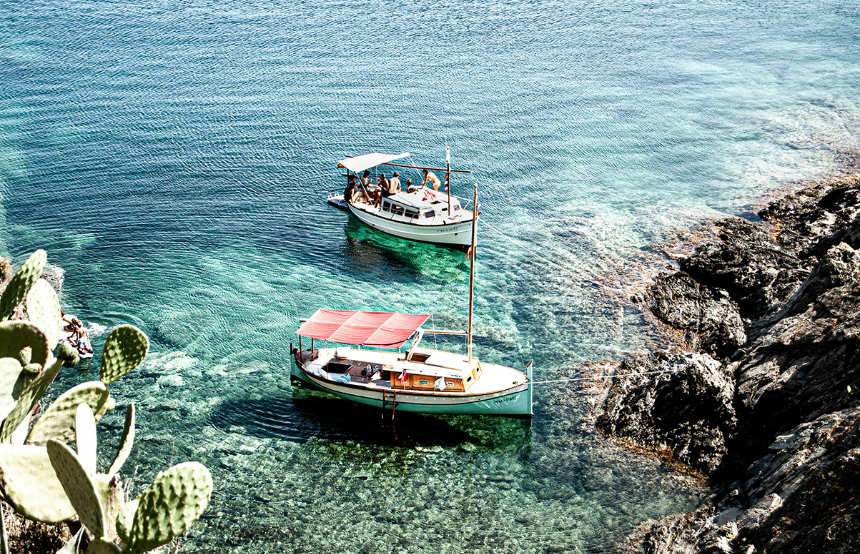
October tends to have more of a reputation for pumpkin-spiced lattes and knitted jumpers than sunny European holidays, but we’re here to change that. As tempting as it is to romanticise autumn and embrace all things cosy, Southern Europe’s gloriously warm forecast makes a very compelling case for one last escape to the sun. From Crete’s crystal-clear waters to Cyprus’ rolling wine country, there’s plenty of destinations to top up your vitamin D reserves before winter well and truly starts to bite.
27th July 2026 - Travel Inspiration
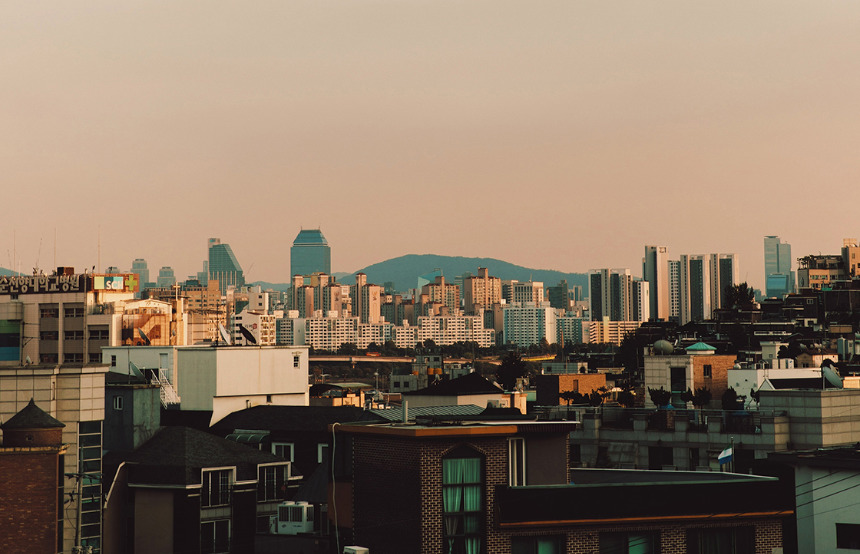
One of our Asia specialists, Joyce, recently spent two weeks exploring South Korea, journeying from Seoul’s neon-lit streets to Busan’s breezy coastline, with stops in Jeonju, Yeosu and Suncheon along the way. From swishing around palace grounds in a traditional hanbok to exploring folk villages and shopping her way through the trendiest streets, it was certainly an adventure to remember. She returned home with a bulging suitcase and a travel journal teeming with tips, tricks and plenty of inspiration for your next South Korean getaway.
13th July 2026 - South Korea Travel Inspiration
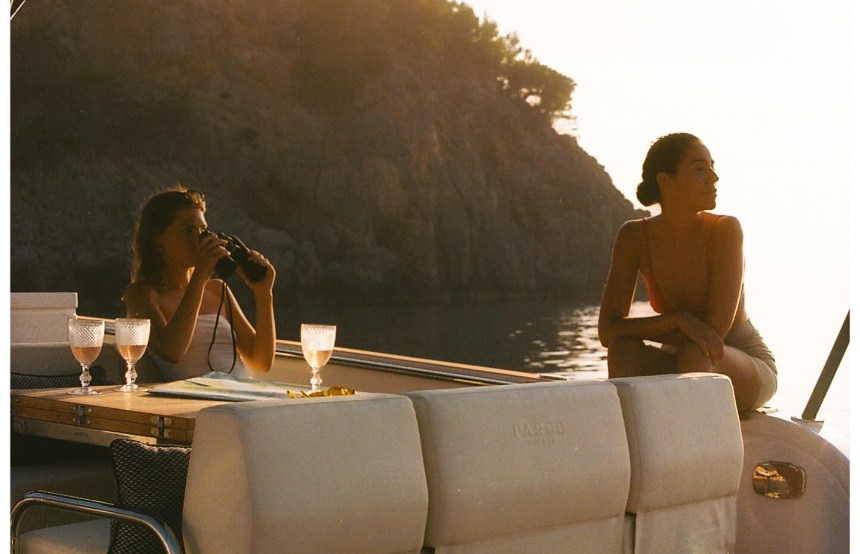
Not quite ready to face summer coming to an end? With crunchy leaves, cosy jumpers and pumpkin-spiced lattes all on the horizon, September is the ideal time for one last hurrah in the European sun – just think of it as topping up your vitamin D reserves before autumn settles in properly, leaving you with a healthy glow (and plenty of holiday memories) to see you through the colder months. So, where’s hot in Europe in September?
29th June 2026 - Travel Inspiration

Our team of destination experts will get to know you and your unique requirements for your holiday

We work with you to build an ultra-personalised holiday itinerary with your choice of accommodation, experiences and activities

All of our holidays include little extras designed to make a big difference to your trip, from checking you in for your flights to our network of local Concierges