
How will El Nino affect travel in 2027
Published 10th Sep. 2026
Written by Tom Barber
Reading time
Unless you've been living under a rock recently, you'll have heard that a strong El Nino is developing in the Pacific, and it is likely to influence weather well into 2027. El Nino occurs when unusually warm Pacific waters alter weather patterns around the world. Some models indicate this edition could become one of the strongest on record.
So how will El Nino affect travel in 2027? I’m no meteorologist, but those far better informed than me are saying: quite a lot, and not always in the way you might expect.
Now for the caveat. Forecasting is about probabilities, not certainty, but by looking at what strong El Nino events have meant in the past, we can make an educated guess about where conditions could be better, different or simply worth watching more closely.
Crucially, El Nino does not simply mean ‘bad weather’, rather redistributed weather. For travellers, that creates an interesting possibility: some destinations may actually enjoy better-than-usual conditions. Read on for a breakdown on how different parts of the world may be impacted…
The Caribbean
Could be a winner
One of the more established El Nino patterns is a tendency towards drier conditions across parts of the Caribbean and Central America. That could make January to April in 2027 an especially appealing time for a Caribbean holiday. Barbados, Antigua, St Lucia and the Grenadines are obvious choices, but instead we would recommend migration to our ‘Secret Caribbean’ islands idylls, including Dominica, Martinique and Guadeloupe.
Brief tropical showers will always be part of the equation, but if the usual El Nino pattern holds, early 2027 could bring plenty of classic blue-sky weather to the Caribbean.

Image by Denise Farley / Unsplash
Central America
Could benefit
The same broad drying tendency can affect the Pacific side of Central America. That makes Nicaragua (one of our current favourite places) particularly interesting for 2027, alongside Costa Rica. January, February and March are already strong months for both, and El Nino could reinforce those typically dry conditions.
Extended dryness can, of course, create pressure on water supplies and ecosystems, particularly for local communities. From a traveller's point of view though, Pacific Central America is certainly one to watch.

Image by Julie Lou Arthuys
Southern Africa
More nuanced
On the other side of the Atlantic, Southern Africa often becomes drier during El Nino years. For travellers, that can mean long spells of sunshine in places such as South Africa, Namibia and Botswana.
But good holiday weather is not always the same thing as good conditions overall, particularly when it comes to safari holidays. Prolonged dryness can affect water levels, vegetation and wildlife. So rather than making sweeping predictions, we will monitor conditions closely and advise destination by destination.

Image by Pie Aertes
East Africa
Could look spectacular
East Africa could present a different picture. El Nino can bring increased rainfall during the short rainy season across Kenya and parts of Tanzania. Heavy rain can cause disruption, but once it has passed, the payoff can be wonderfully green landscapes.
By January and February, some safari areas could look magnificent, with lush vegetation and dramatic photographic conditions. Again, timing will be everything.

Image by Eric Isselee / Fotolia.com
Europe
A mixed bag
Europe is harder to read because the correlation between El Nino and European weather is much weaker. The bigger story may simply be that strong El Nino events add heat to an already warming global climate system.
That could reinforce a trend we are already seeing in European travel: heading further north, or to higher altitude, during peak summer, a.k.a. coolcations. Think Scandinavia instead of the hottest parts of the Mediterranean, northern Spain rather than Andalucia, Brittany and Normandy rather than southern France, and the Alps instead of lowland Italy.
The Mediterranean will remain wonderful, but 2027 may strengthen the case for travelling there in May, June, September and October, then looking north in July and August. The new luxury in August may increasingly be 24C, not 40C.

Image by Cyril Cazal / Unsplash
Where will we be watching most closely?
A few regions could see more unpredictable conditions. Peru and Ecuador can experience heavier rainfall during strong El Ninos. Indonesia often becomes drier, which can increase fire and haze risk. Parts of Australia may also experience hotter and drier conditions.
That does not necessarily mean avoiding them. It simply means watching local conditions more carefully and keeping plans flexible. That is one of the advantages of tailor-made travel. Decisions can be based on what is actually happening on the ground rather than on a forecast made months earlier.

Image by Nora Bibel / LAIF-REA
So, how will El Nino affect travel in 2027?
I remember once meeting a wizened old farmer in Transylvania. I looked to the sky and asked my guide to ask the farmer if it was going to rain. He replied, grinning, ‘I’ll tell you tomorrow.’ In short, we will only really know the impact of El Nino as 2027 unfolds, but if the traditional patterns emerge, early 2027 could favour the Caribbean and parts of Central America, and strengthen the appeal of northern Europe in high summer.
Elsewhere, the answer is to watch the weather more closely than usual. And that's where we come in. We work with hundreds of people on the ground around the globe, from guides and hoteliers to local experts and Concierges, all feeding back live information about weather and changing conditions on the ground.
So while long-range forecasts can point us in the right direction, our advice is ultimately shaped by what our people are seeing outside their window.

Image by Getty Images / Unsplash
Written by Co-founder, Tom Barber
Header image by Faustine Poidevin-Gros
You might also like
Practical advice and inspiration for your next trip
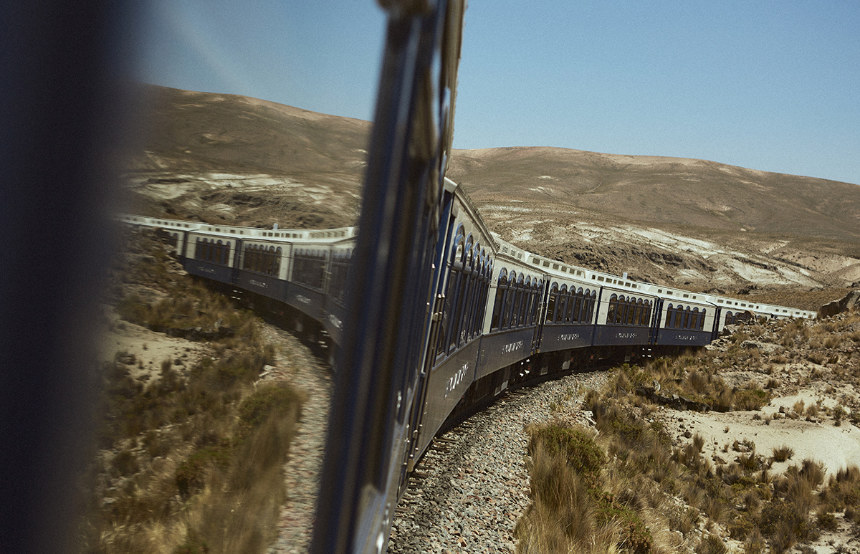
Charlie’s Guide to Train Travel in Peru
From luxurious sleeper trains to high-altitude railways, Peru’s rail network is a thing of beauty. Whether you want to marvel at ancient ruins in Machu Picchu, navigate Lake Titicaca by boat, or traverse one of the world’s deepest canyons in Arequipa, travelling by train is the way to go. One of our Latin America specialists, Charlie, has travelled extensively around Peru and experienced some of the country’s popular rail routes.
10th August 2026 - Peru Travel Tips
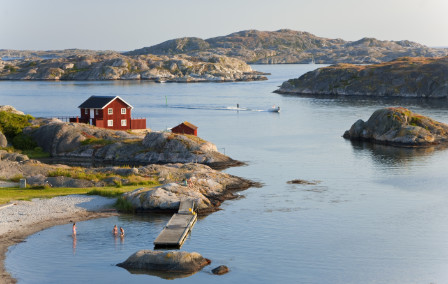
Escape the Heat: European Coolcations
For us Brits, guaranteed good weather is essential when it comes to picking where to summer. We spend the colder months dreaming of sunnier climes, forgoing sweaters for swimwear and settling onto a sun lounger with a chilled drink. So, it's no surprise that every year, many of us migrate to the Med for our dose of Vitamin D. But with temperatures soaring in certain parts of Europe, travellers are starting to seek out cooler climes.
27th July 2026 - Travel Tips
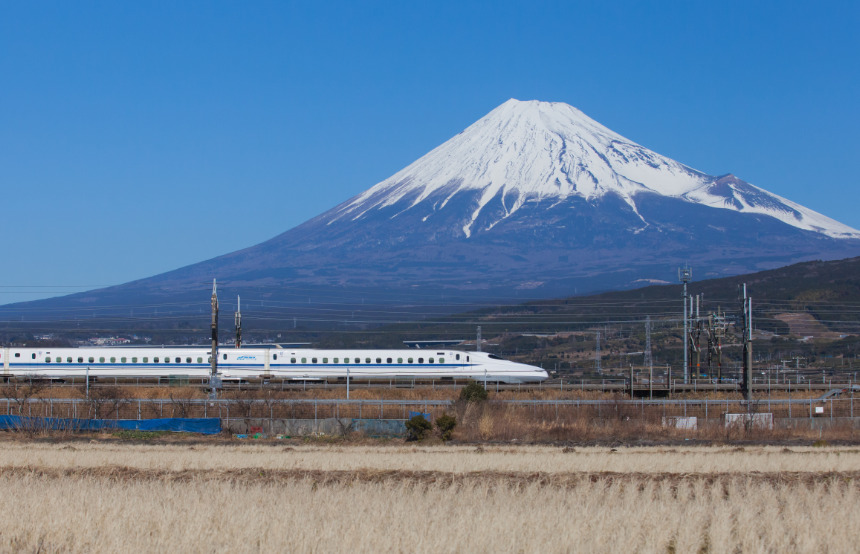
Our Guide to Bullet Trains in Japan
Do you want to immerse yourself in Japanese culture while also seeing as much of the country as you can in one trip? Enter Japan’s bullet train. Iconic, impressive and efficient, these sleek speedsters are an integral part of the country’s culture, transporting thousands of locals every day. In between strolling cherry-lined streets, sampling skewers of yakitori or watching anime shows, hopping aboard a bullet train should feature on any Japan holiday itinerary.
13th July 2026 - Japan Travel Tips