When it comes to destinations that boast year-round appeal, Sri Lanka undoubtedly deserves a spot on the list. In true tropical country style, the wide range of landscapes and climates means there’s always a part of the country with pleasant weather, no matter the time of year. When monsoons tackle southwest Sri Lanka, the northeast is nice and dry – and vice versa. Warm temperatures are constant along the coast and plains, where it doesn't fall below 24°C, even at night. In the mountains, however, temperatures are slightly lower at 15-20°C (a welcome respite from the heat). Overall, the best time to visit Sri Lanka is between December and April for the southwest coast and May and September for the northeast parts of the country. After a more detailed breakdown? Read on for our month-by-month deep dive...
Best season to visit Sri Lanka
January
February
March
April
May
June
July
August
September
October
November
December
Sri Lanka month by month
January in Sri Lanka
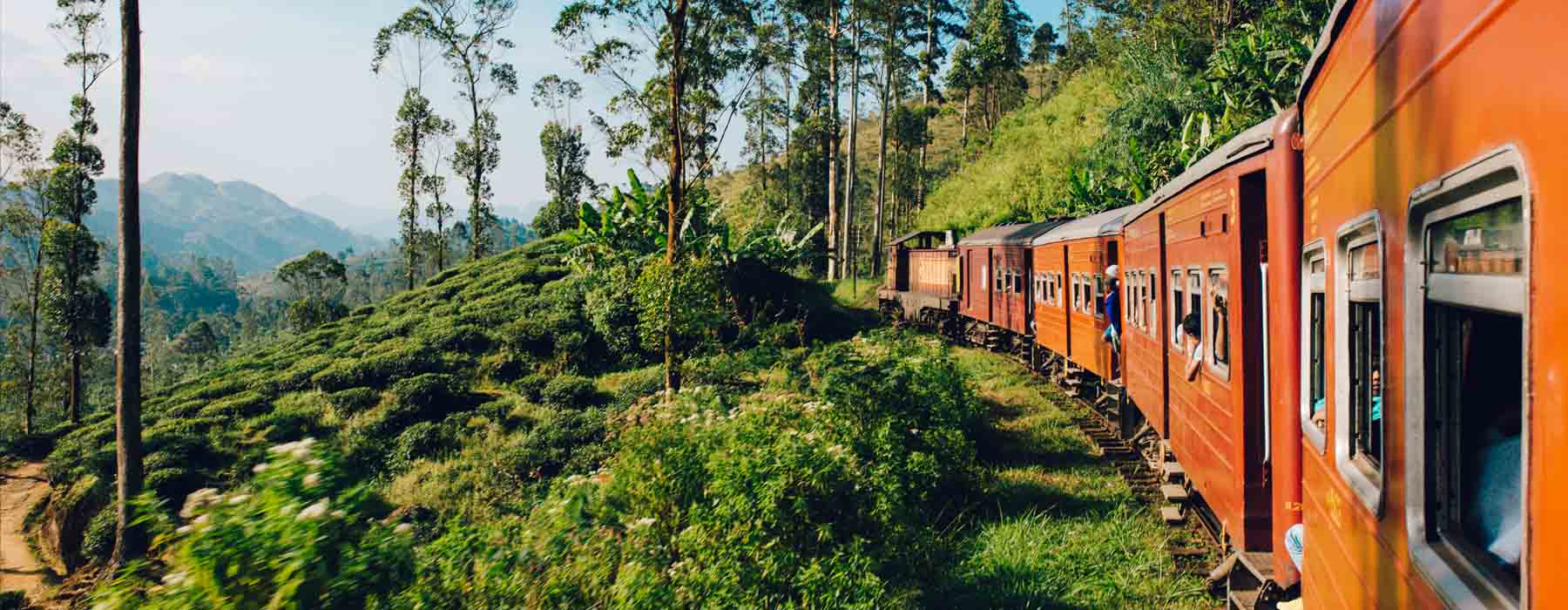
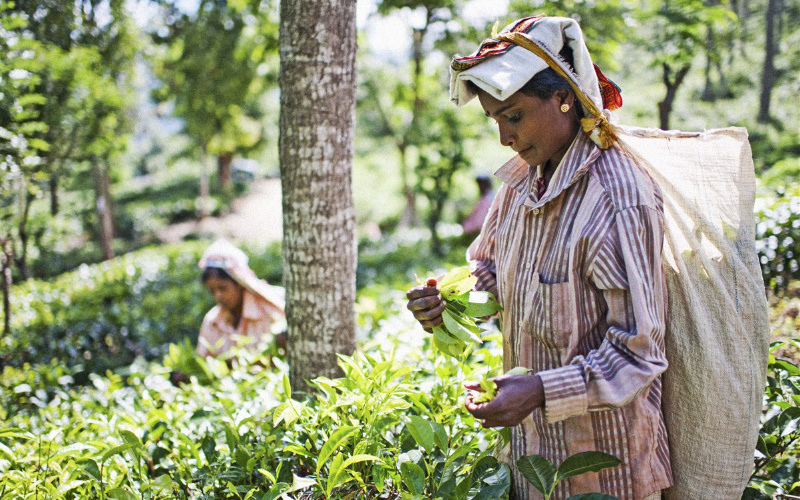
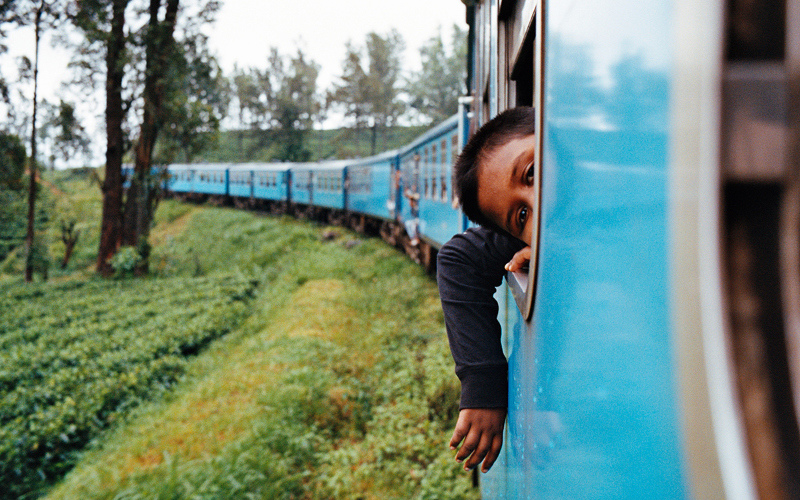
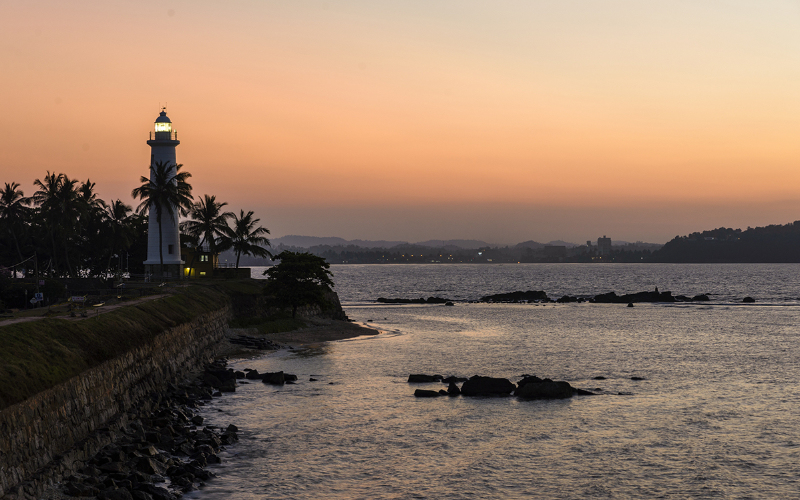
January is one of the best times to visit Sri Lanka, particularly its sunny south and west coasts, including hotspots like Galle and Hikkaduwa, as the days are hot and dry. Cooler weather in the central highlands makes for great hiking conditions, so head to Nuwara Eliya to climb Adam’s Peak, or Kandy and Ella to visit tea plantations. Meanwhile, the northeast sees persistent downfalls of rain due to January falling at the tail end of the monsoon season.
February in Sri Lanka
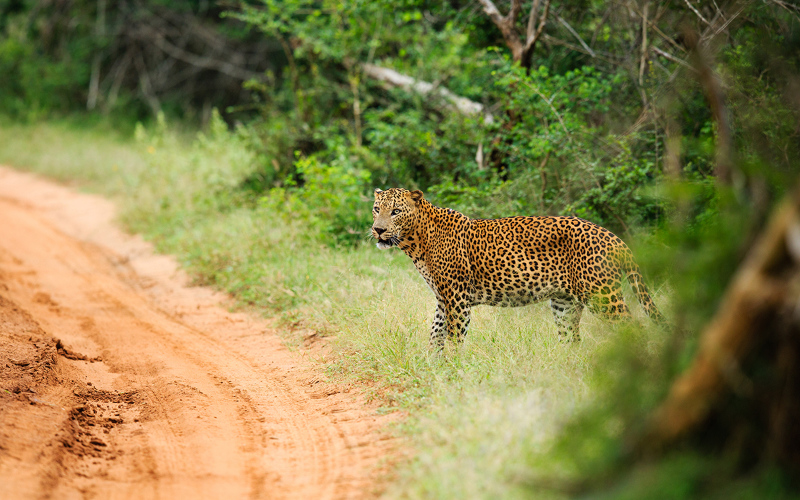
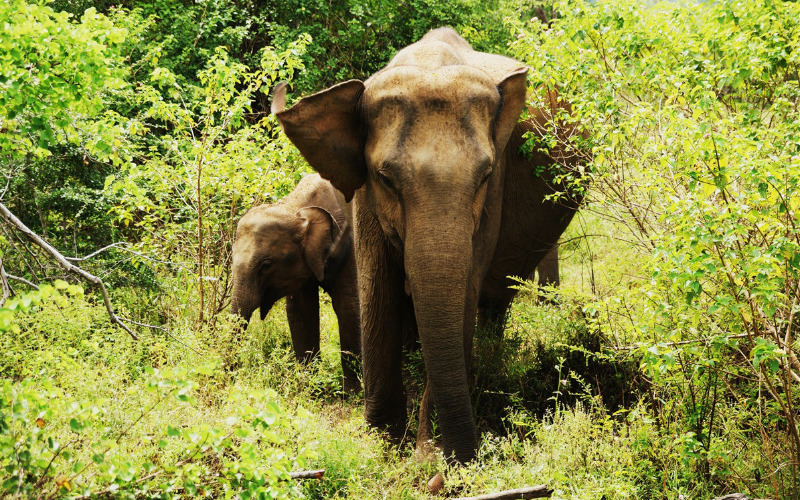
Sunny skies stretch through central, southern and western Sri Lanka in February, creating ideal conditions for relaxing on the sands of Unawatuna, Bentota and Weligama. Travel back in time and visit the ancient ruins of Sigiriya, Polonnaruwa and Anuradhapura, where weather conditions are also ideal for exploring. Over in Yala and Udawalawe National Parks, hop in a 4x4 and look out for elephants, leopards and myriad bird species.
March in Sri Lanka
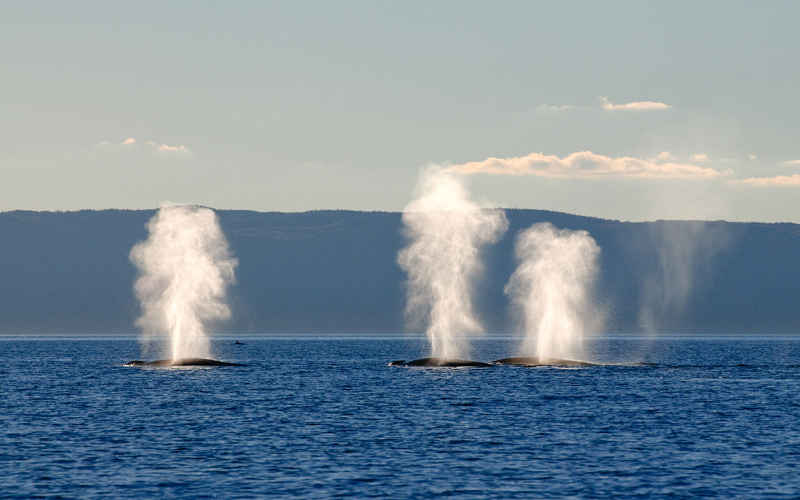
March marks the tail end of the dry season across most of Sri Lanka, with the weather remaining pleasant in the south, west, highlands and Cultural Triangle. Make the most of the 25-33°C temperatures by hiking in Horton Plains National Park and exploring UNESCO World Heritage sites. March is also one of the best times to visit Sri Lanka for whale watching in Mirissa, so keep an eye out for blue whales, sperm whales and spinner dolphins.
April in Sri Lanka
April welcomes early signs of Sri Lanka’s southwest monsoon, but despite the humidity and showers, most regions are still pleasant and accessible. It’s a lively time with Sinhala and Tamil New Year celebrations mid-month, showcasing local culture and traditions. The hill country, including Nuwara Eliya, is a cooler escape, while the east coast, including Trincomalee, invites snorkellers and divers to its beaches.
May in Sri Lanka
In May, the southwest monsoon is in full swing, bringing heavy rains to the south, west and central highlands. Head to the north and east for much more pleasant conditions, including the sunny and dry Arugam Bay and Nilaveli (perfect for beach bums). Vesak Poya is held on May’s full moon, commemorating the birth, enlightenment and death of Buddha.
June in Sri Lanka
June continues to favour Sri Lanka’s north and east coasts, with great weather for sunbathing and diving in places like Trincomalee. The south and west coasts remain rainy, but the lush landscapes and quieter attractions, such as Sinharaja Forest Reserve, are ideal for those seeking off-the-beaten-path experiences (and great value). National parks like Wilpattu in the northwest also become more accessible, and the drought brings fantastic wildlife sightings to the 60 waterholes.
July in Sri Lanka
The weather throughout Sri Lanka in July is similar to June – the monsoon still affects spots like Negombo and Weligama, while the east coast remains gorgeously sunny. Kandy comes alive during the Esala Perahera festival (which falls in either July or August each year), a grand cultural and religious procession and a must for history and culture enthusiasts.
August in Sri Lanka
Dry and sunny weather continues throughout the north and east of the country, making it a peak time for beach breaks during the school summer holidays. In central Sri Lanka, don’t miss the annual elephant gathering in Minneriya National Park, thought to be the largest in the world. If it falls in August, Esala Perahera is celebrated with parades and fire-lit dances in Kandy.
September in Sri Lanka
As the southwest monsoon tapers off and rains begin to fall in the northeast, September in Sri Lanka can be quite a wet month. If you’re staying in Trincomalee on the northeast coast, head out on a whale-watching trip to witness blue whales passing the east coast during their migration route around the island.
October in Sri Lanka
October brings unpredictable weather across Sri Lanka and is one of the wettest months on the island. However, this is the best time to visit Sri Lanka for those seeking quieter attractions, as tourists are few and far between. The highlands, including Ella and Nuwara Eliya, are particularly lush and vibrant, ideal for nature lovers and hikers.
November in Sri Lanka
As the south and west coasts dry up, November signals the start of monsoon season in the northeast. As it’s the start of peak travel season for the south, popular beach destinations like Galle and Mirissa return to life – but watch out for rain showers, as stable sunny weather isn’t guaranteed just yet.
December in Sri Lanka
December is the peak season for the south, west and central highlands. Sunny skies and warm weather invite beach holidays, whale watching in Mirissa and exploring the beautiful tea country. Christmas and New Year are some of Sri Lanka’s most popular travel times, so make sure you plan well in advance.
The West Coast of Sri Lanka
Temperatures are pleasant along the coast of Sri Lanka, with a maximum temperature between 28 and 32°C and a minimum between 22 and 26°C. March and June are the warmest months, while November and January are the coolest. When visiting Sri Lanka's western and southern regions, we recommend the period from December to March, where the lower temperatures make these months ideal for travel. Between May and October, the west coast is wetter than other regions. This is due to south-westerly winds bringing moisture from the Indian Ocean. It's worth bearing in mind that in Colombo, the coastal capital of Sri Lanka, the average annual humidity level is 70%, and close to 90% in June (during the monsoon season). During the south-western monsoon, note that mornings are often very sunny, with thunderstorms appearing in the afternoon.
The Highlands and Mountains
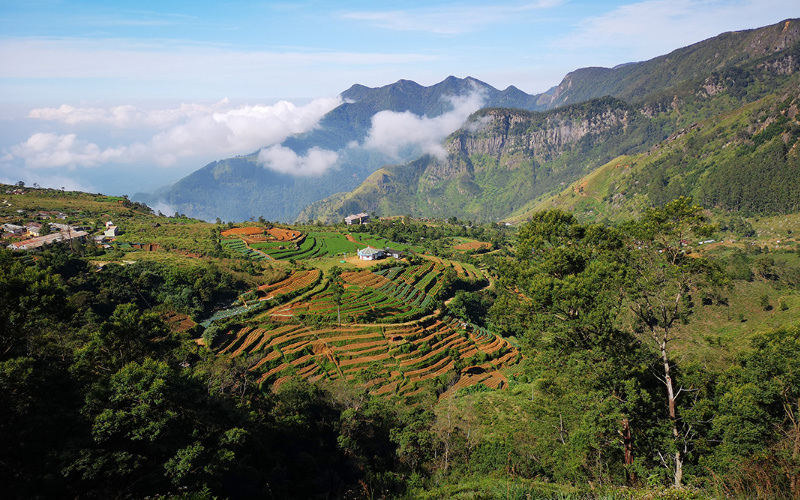
Unlike other parts of Sri Lanka, the Highlands can experience lower temperatures due to their elevation. For example, in Nuwara Eliya, which sits at an altitude of 6,100ft, the maximum temperature is 18°C in July, and 23°C in April, which is the highest for this area. Between January and June, temperatures can drop to just a little over 10°C. However, there is a striking difference in climate depending on whether travellers are on the east or western slopes of the mountains. Between May and October, for example, the western slopes experience more rainfall than the eastern slopes as they are not subject to south-westerly winds. Between December and March, northern Sri Lanka is subject to the north-eastern monsoon winds carried by the humidity of the Bay of Bengal. Therefore, the area can experience up to five inches of rainfall in a single month.
The East Coast of Sri Lanka
The best time to visit Sri Lanka's east coast is between May and September. It's always more enjoyable to travel during the dry season when there is less risk of getting caught in a downpour. Due to being protected by the high plateaus, the coast is very sunny and home to towns and villages to explore. As for the north-eastern monsoon, this has been noticeably absent in recent years.
A word from our specialists
For the best overall experience in Sri Lanka, tailor your visit according to the peak seasons of your chosen regions, be it the south and west beaches from December to April or the northeast shores from May to September. Even so, Sri Lanka’s diverse landscape means there’s always something incredible to explore, no matter the month.
Discover Sri Lanka’s culture and landscapes and the Maldives’ beaches on this two-week romantic getaway
13 days, from £4850 to £6300
What our clients say about their Sri Lanka trip
12 reviews
4.8 / 5
"Everything was very simple and easy - it was clear that Frances got to grips with what we were looking for and tailored it appropriately, building on her knowledge of the country. We did not need the Concierge but great to know they were there. One of the best holidays we have had!"
D - UK
Published on 12th August 2025
"Frances was excellent; always available, very helpful and gave good advice. She's a credit to your organisation. Our Concierge Rachel was very, very good. If we contacted her she came back promptly and was extremely helpful."
Amanda - Hertfordshire
Published on 17th March 2025
"The Concierge was a fantastic service, I cannot fault it. The guide who took us everywhere was so kind, thoughtful and patient and loved his attention to detail. "