Sustainable Tourism in Egypt
Published 8th Nov. 2023
Reading time
Egypt is a tourist magnet – and rightfully so. But with this ever-rising frequency in footfall comes concerns regarding sustainable tourism in Egypt. How do we balance building up the country’s tourism sector post-pandemic while ensuring minimal damage is inflicted on the environment and communities? Luckily, we’ve put our brains to it. Whether you want to celebrate secret spots, help support community-based tourism or promote environmentally-friendly activities, your trip to Egypt can be enjoyed with a clear conscience. Tourism doesn’t equate to unsustainability, and we’re here to show you how.
- Undertourism in Egypt
- Philantourism in Egypt
- Community-based tourism in Egypt
- Indigenous tourism in Egypt
Undertourism in Egypt
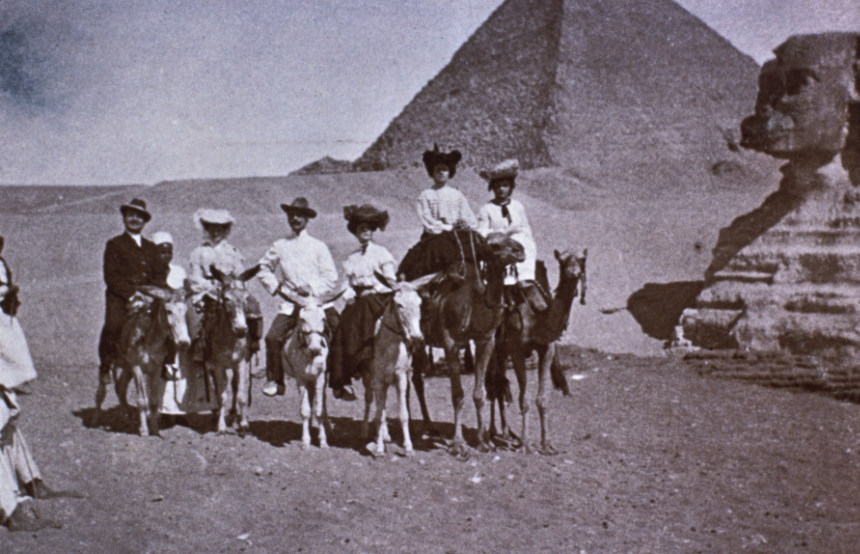
Thomas Cook wasn’t a fortune teller – when he married together tourism and business in the 1800’s, he didn’t foresee the problems the industry may occasionally cause. While Egypt has certainly benefitted, both economically and socially from tourism, decades of overtourism has left its mark on the country’s magnificent monuments, with erosion and vandalism at iconic sites such as the Pyramids of Giza. So, what’s the alternative? By straying from the guidebook and visiting spots off the beaten path you’ll be promoting undertourism. Saqqara, for example, is a short drive from Giza but sees far fewer visitors. It’s Egypt’s largest archaeological site, and its lesser-known Step Pyramid of Djoser is the most ancient stone structure in the world. Conscious efforts to practice undertourism and visit sites like these is a fool-proof way to promote sustainable tourism in Egypt.
Philantourism in Egypt
We adamantly believe that travel can and should be a force for good, and our concept of Philantourism (visiting destinations that benefit most from tourist spending) embodies just that. Tourism accounts for 10-15% of Egypt’s economy and helps sustain millions of jobs and maintain temples, ancient monuments and sites of cultural importance. Small businesses like restaurants and souvenir shops are also presented with opportunities to thrive under the tourism industry, allowing local entrepreneurs the chance to grow their own business and livelihood where they perhaps couldn’t before.
Community-based tourism in Egypt
Community-based tourism is all about supporting local communities instead of pumping money into chain restaurants or tourist-trap hotels, a key component of sustainable tourism in Egypt. A shining example of this is the country’s ‘People to People’ campaign which puts the spotlight on local initiatives such as the ambitious project to preserve the ancient Shali Village in the spectacular Siwa Oasis. Community-based tourism can also mean staying in homestays or eco lodges, a wonderful opportunity to truly immerse yourself in community life while also ensuring that your money is going to the right places. When visiting, you’ll drink water from natural springs, eat home-grown vegetables and socialise by candlelight.
Indigenous tourism in Egypt
Immersing yourself in the local culture is one of the great joys of travel, and Indigenous tourism – when done responsibly – allows visitors to gain a deeper understanding of the lives, knowledge and traditions of local communities. While travelling in Egypt’s Nile Valley, we can arrange for you to visit a Nubian village where you can taste local delicacies such as okra strew and shamsi (a type of crepe-like bread), and enjoy a private tour of the Nubian Museum in Aswan which offers a comprehensive overview of the history of Nubian culture since prehistoric times and has displays of frescoes, statues and monuments found in the area.
Flight-free travel in Egypt
Although you’ll need to take a flight to reach Egypt, there are some fantastic flight-free options for exploring the country after you touch down. The Steam Ship Sudan – our luxurious boat on the Nile which once welcomed Agatha Christie onboard – is the perfect option for travellers looking to discover Egypt at a slower pace. Onboard, there are 18 cabins and six suites, spread across three teak decks, and plenty of luxe loungers where you can sit back and watch the banks of the Nile drift by. From exploring the Temple of Luxor to sunset-watching in Edfu, the Steam Ship Sudan is an unforgettable form of flight-free travel. And, given that this exclusive experience is only available for Original Travel clients, the cruise feels all the more special. You can also explore Egypt by train. The country’s rail network connects major cities like Cairo and Alexandria and offers journeys through the country’s most ancient landscapes.
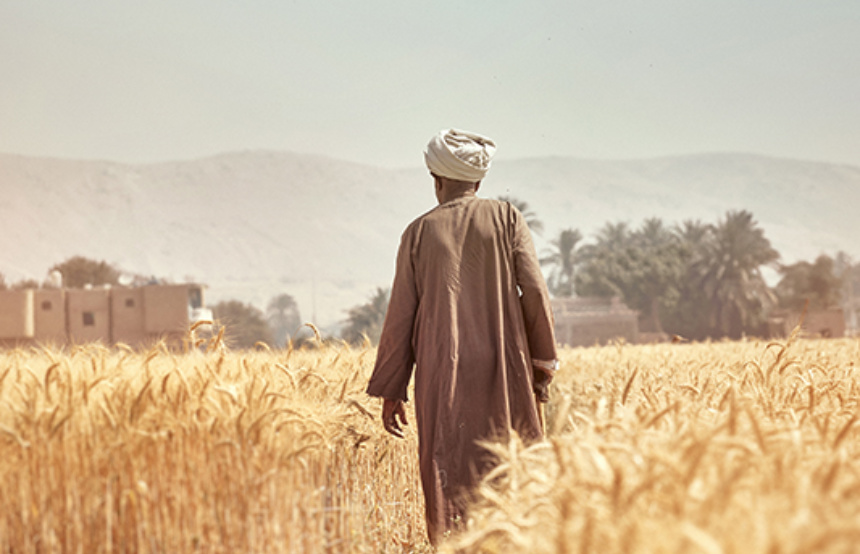
Header Image by Olivier Metzger | Written by Evie Buller
Why visit Egypt with Original Travel ?
When it comes to Egypt’s Nile, we’ve secured full bragging rights with exclusive access to the Steam Ship Sudan, the last of the authentic paddle steamers which also served as inspiration for Agatha Christie. If it’s the lesser-known sites you’re after, we can instead bag you a cabin onboard the Flâneuse du Nil, a traditional dahabieh sailing boat that plies the Nile. We’ve also got the best guides under our belt for exclusive access to the Pyramids, temples and tombs of Egypt, and our handy app is home to an ever-growing list of tried and tested shops, restaurants and more.
Enquire nowA few of the benefits of travelling with us to Egypt
- Our local Concierges
- The Original Travel app
- Wi-Fi router and e-Sim
- Destination Dossier
- 24-hour helpline
- Expert guides
- 100% carbon absorption
You might also like
Practical advice and inspiration for your next trip
Is it Safe to Travel to Egypt at the Moment?
Last updated: March 2026 by Ben Williams, our Conde Nast Traveler Egypt Specialist Hello, fellow traveller. You may find yourself here because you’ve typed ‘Is it safe to travel to Egypt’ into your search engine. Or perhaps you’ve stumbled upon us in the same way those archaeologists accidentally found hundreds of rock-cut tombs in Egypt in 2021. Either way, you’re in the right place to learn more about this country (particularly if you’re already looking at flights) because it’s always worth doing some research before exploring somewhere new.
2nd March 2026 - Egypt Travel Tips
The Grand Egyptian Museum Opening
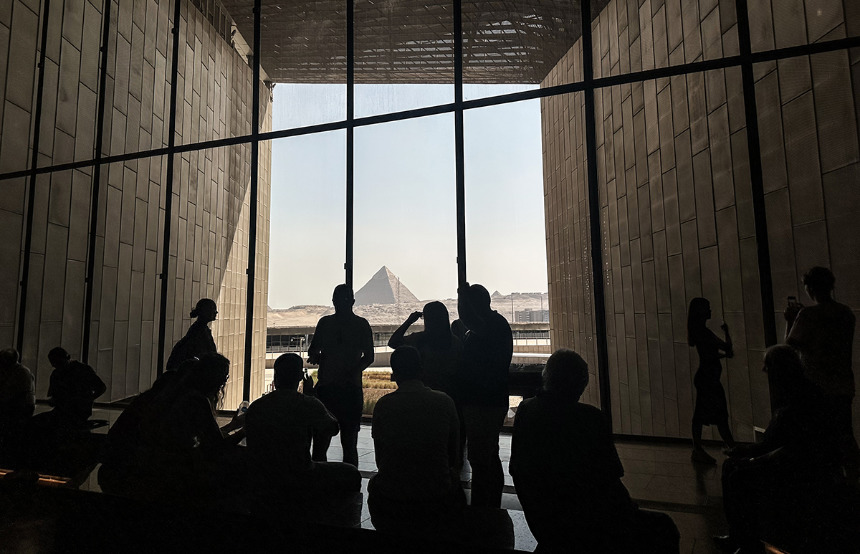
As Tom Holland (the esteemed historian, not Spiderman) so succinctly put it in the first edition of our magazine, Original Traveller, ‘Egypt is where tourism began’. And the next chapter in the history of tourism in Egypt is about to begin. We’re always looking for a reason to shout about this captivating country, and this November, we have the perfect excuse: the long-awaited opening of the Grand Egyptian Museum (GEM).
3rd November 2025 - Egypt Culture
Tom Holland's History of Travel in Egypt
This article originally featured in the first edition of our magazine, Original Traveller. The world’s first tourist destination; Egypt has attracted the great and the good for more than four millennia. Tom Holland charts the ebb and flow of the country’s time travel. Egypt is where tourism began. Perhaps this is hardly surprising. By the 5th century BC, when the first tourist guide to Egypt was written, pharaonic civilisation was already more than two and a half millennia old.
29th October 2025 - Egypt Travel Inspiration