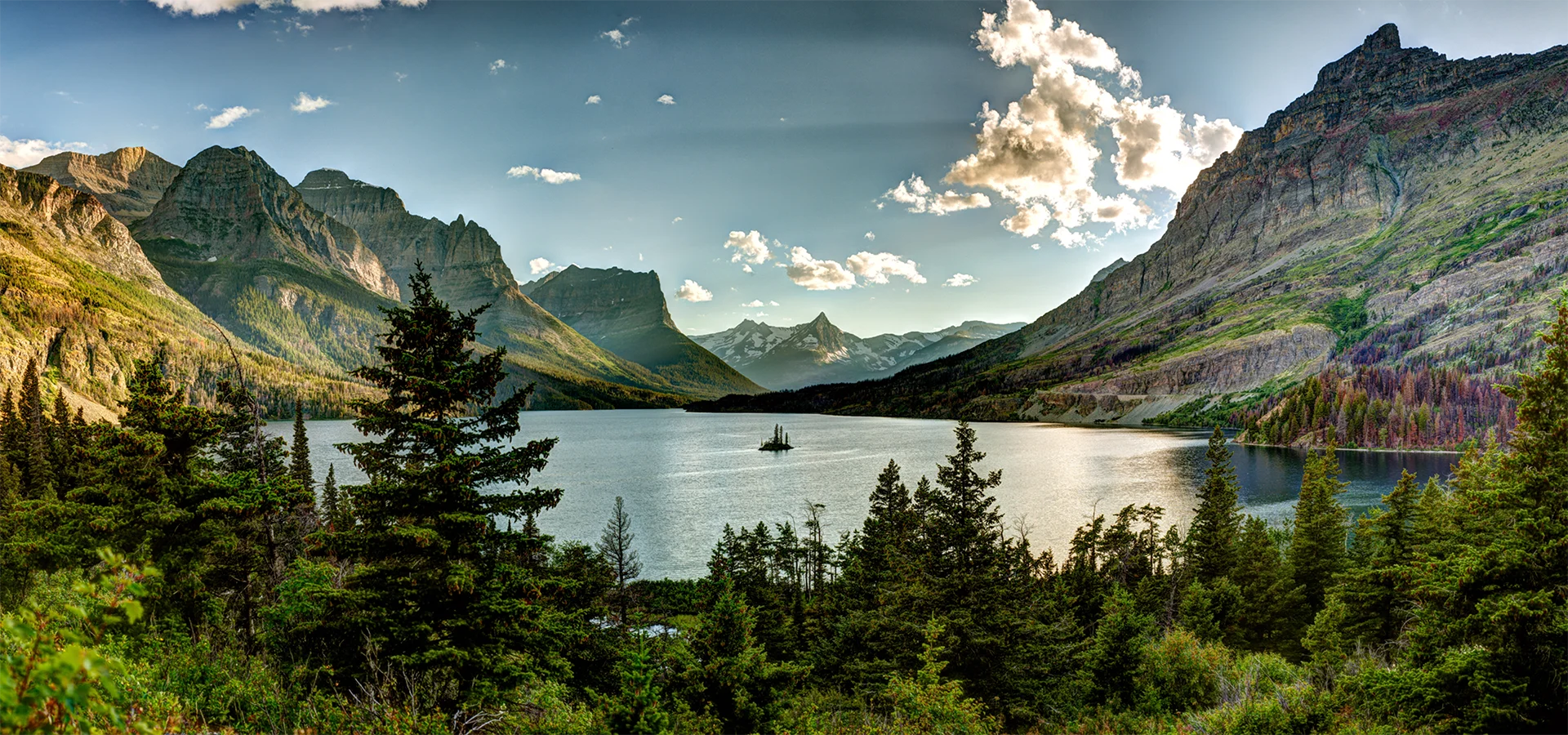
A traveller's guide 30+ statistics about the US national parks’ role in biodiversity and conservation
Read more
US National Parks are more than stunning landscapes – they’re vital sanctuaries for biodiversity and powerful tools in supporting conservation efforts. Their role includes protecting endangered species, fostering sustainable ecosystems, and preserving natural beauty.
In 2024 alone, more than 300 million people made the trip to one of the 63 national parks dotted across the US. Whether for whitewater rafting, exploring natural areas of luscious green foliage, or passively engaging with the countless species of wildlife found throughout these beautiful landscapes, all guests, whether they knew it or not, shared one purpose – helping to conserve and protect the parks’ ecosystems.
Formed with the aim of cultivating a sustainable, rich and biodiverse environment for the flora and fauna that call the parks home, these natural havens have played a pivotal role in the survival of countless endangered species. But what does that mean for the average person wanting to take a trip to one of these iconic landmarks?
It’s only natural that you’ll want to do your part to help the continued efforts that these parks are making. Knowing what’s being done and how you can support these objectives will go a long way towards doing your bit. That’s where this guide steps in
Packed with insightful statistics and actionable information, this guide is perfect for travellers who want to deepen their appreciation and support for these incredible destinations. We’ll also discuss what you can do to be the best kind of visitor possible, as well as steps to take to keep yourself safe during your visit. Get ready to explore how your visit can contribute to safeguarding nature’s legacy for generations to come.
Contents
In this guide
Chapter 1
How to be a park-friendly traveller when exploring a US national park
It’s your responsibility as a visitor to a national park to do what you can to reduce any negative impact. While your presence is always welcome, there’s a balance which needs to be found between the give and take of a trip to one of the US’ 63 majestic parks. Here are some of the best ways to guarantee you’re being the best guest possible.
Leave no trace
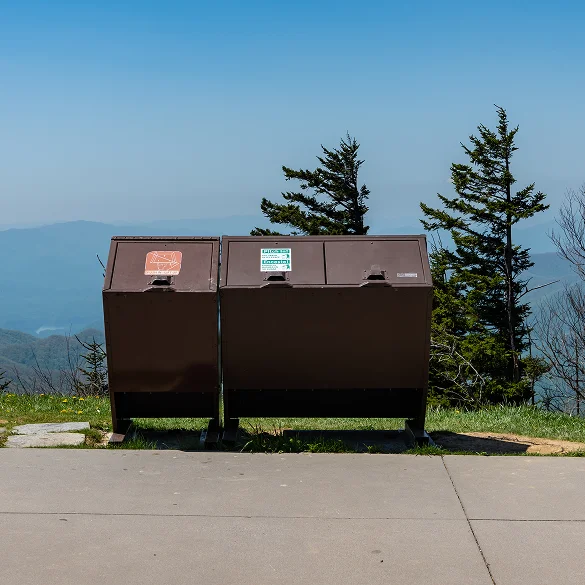
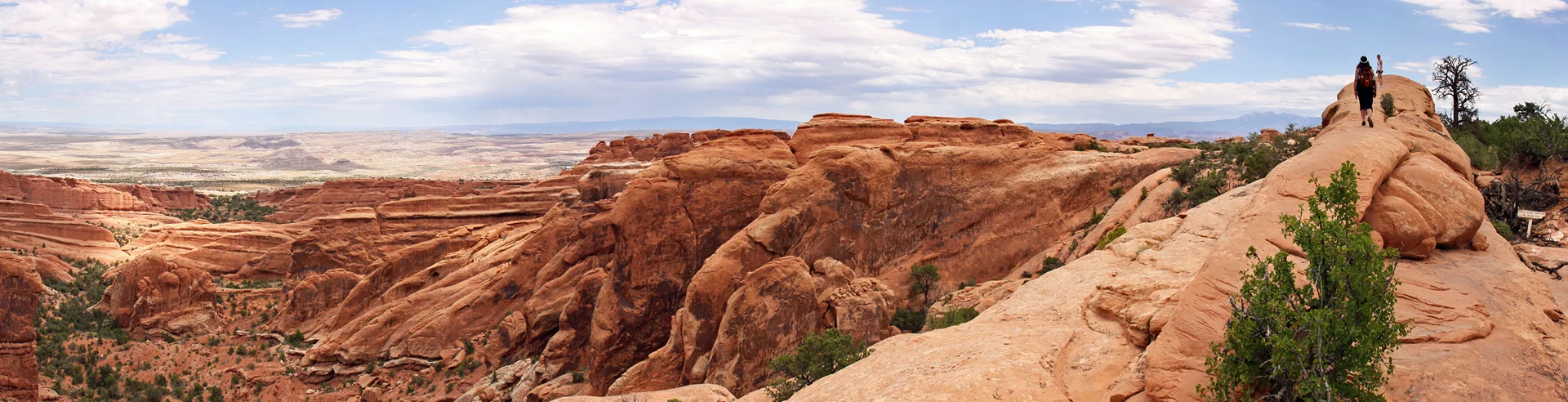
Probably one of the most important aspects of any trip to a national park, the leave no trace mantra has been at the forefront of any messaging when it comes to engaging with and enjoying these areas of immense natural beauty. In essence, your job is to make sure you leave a park the way you found it.
That means picking up after yourself, packing or throwing away any rubbish that you’ve created, and trying not to disrupt the landscape in any way at all. Think of it this way – if someone came into your home, how would you like them to leave it?
Stay on designated trails and paths
By sticking to the paths which have been laid out for you, you’re making sure you aren’t accidentally trampling on any delicate ecosystems. These paths are created with erosion and damage prevention in mind, so it’s important to follow them during any visit. It can also be dangerous to wander from the path if you’re in an area with a lot of wildlife.
Don’t interfere with wildlife
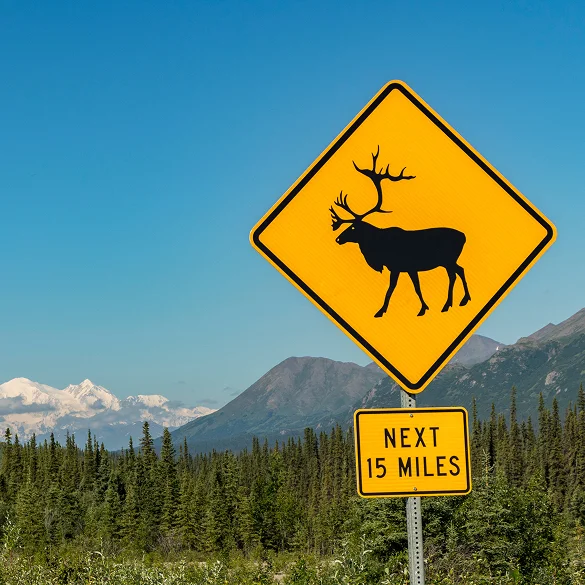
On the subject of wildlife, try to leave them well enough alone. The animals found in national parks aren’t there to entertain us. In a lot of cases, they’re most likely an endangered species. Respect them and make sure to always keep a safe distance – for both your and their sake.
Be mindful of other visitors
A park is for everyone to enjoy. While it’s lovely to strike up a chat with a fellow visitor, try not to disrupt their day. That means following rules, avoiding smoking in areas which prohibit it, not being too loud, avoiding blocking someone’s view of a monument or area of interest, and making sure you don’t cut in if there’s a queue.
Follow the park’s specific rules
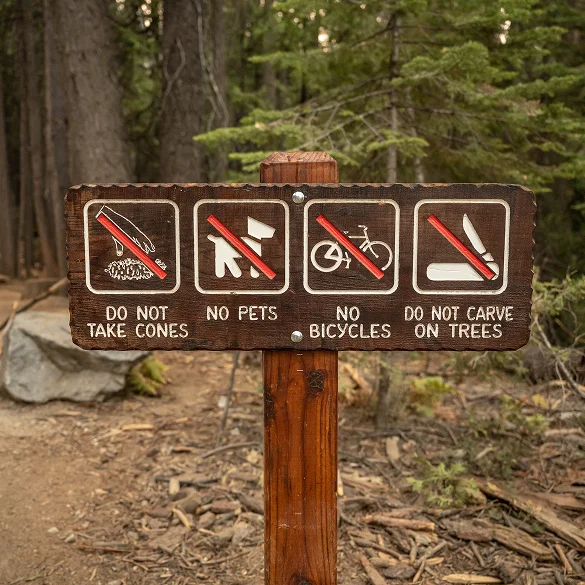
Each park will have its own set of rules and regulations which you should always follow. While some general guidelines (like not disturbing wildlife, sticking to trails and not littering) apply everywhere, others will have specific requests relating to their natural environment.
Consider noise pollution
Away from just dropping rubbish on the ground, pollution can also take the form of noise. This not only disrupts the beautiful peace and tranquility of nature, but can also disturb animals and fellow parkgoers alike.
Chapter 2
Important safety rules to follow when visiting a national park
Being a good visitor goes beyond just respecting the park. It also extends to keeping yourself and the rest of your group safe. Common sense is usually key for this. Taking risks should always be something you avoid as part of any holiday. When it comes to US national parks specifically, here are some key factors to keep in mind:
Bring an emergency kit or supplies
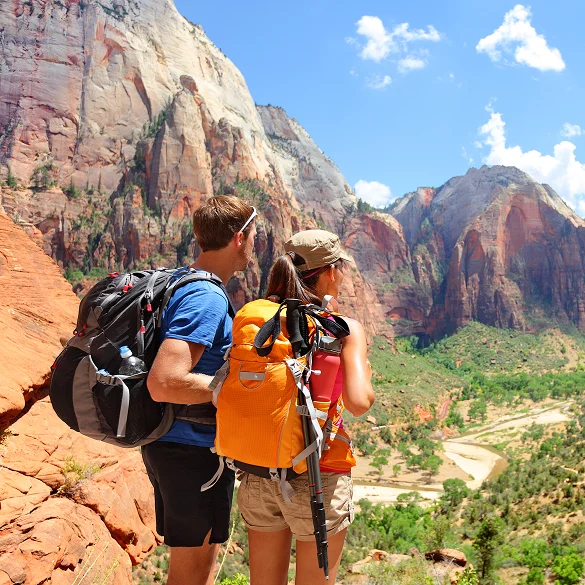
While you’ll probably be just fine, it’s always smart to bring a kit along that could help you when you need it. Good additions to an emergency kit are things like a first-aid kit, a map, a compass, a tent, a blanket and a tarp to protect yourself from the elements. Also think about bringing a hearty packed lunch if you’re forced to camp overnight.
Be safe around water
Bodies of water might look tranquil, but it’s never possible to know what the currents are really like below the surface. Make sure to look for signs that tell you whether water can be swum in or not. Even if you’re a very confident or competent swimmer, don’t take a risk. If you aren’t sure whether a body of water can be safely swum in, avoid it.
Plan for the weather
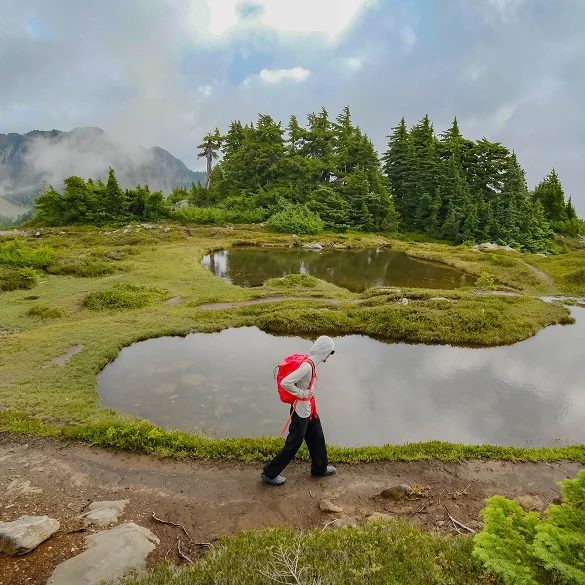
The weather across US national parks will vary greatly. In some parts it can also change very quickly and without warning. Do your research before you travel, and make sure to pack for all weather eventualities for the park you’re exploring.
Leave wildlife alone
Staying away from wildlife isn’t just for their good. Interfering with wildlife, even if they’re not carnivores, can be incredibly dangerous. While animals don’t normally try to harm people, they might lash out or feel like they need to protect themselves if you get too close. That’s especially true if you go too near to their young.
Stay hydrated
Temperatures can soar in national parks. If you’re planning a long day of trekking or exploring, you’ll want to make sure you’re keeping a lot of water onboard throughout the day. While you should be able to find water fountains littered throughout some parks, it’s clever to bring a refillable bottle of water with you when you visit.
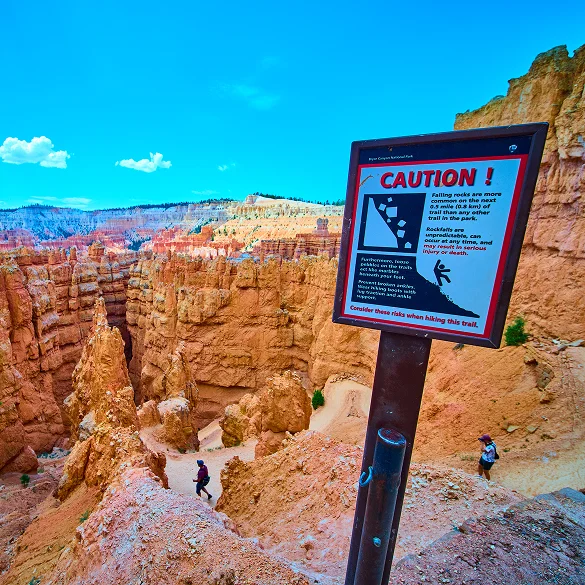
Follow signs and stick to the path
Rules exist for a reason. Even if a path looks like it might be walkable, avoid it if it’s not signposted. There’ll be a reason that it hasn't been designated as a walking route that’s safe for parkgoers.
Chapter 3
How US national parks are helping to conserve and protect biodiverse ecosystems – 30 stats and facts
US national parks are havens of life – for flora and fauna alike. While they also serve as the perfect spot for a day, week or even a month-long visit, their ultimate aim is to preserve and protect fragile ecosystems which might otherwise struggle to thrive and survive in the hustle and bustle of the modern world.
Let’s now take a closer look at some of the most eye-opening facts and stats, breaking down just what these ongoing conservation efforts look like across the country.
FACT 1.
Invasive plant species have been reduced by more than 57,000 acres
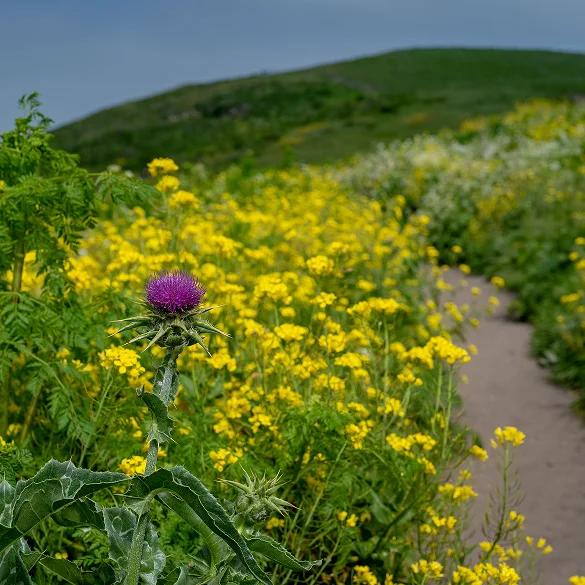
Invasive plant species can damage the landscape of national parks, taking over completely and destroying the habitats of wildlife.
At its peak, it was thought that as many as 2.6 million acres of US national parks were taken over in some way by these species.
While there’s still more that needs to be done to take back these green areas, reports suggest 57,000 acres are now controlled, with invasive species reduced to levels that local park staff can better manage and monitor.
FACT 2.
More than 21,000 acres of land was acquired in 2022
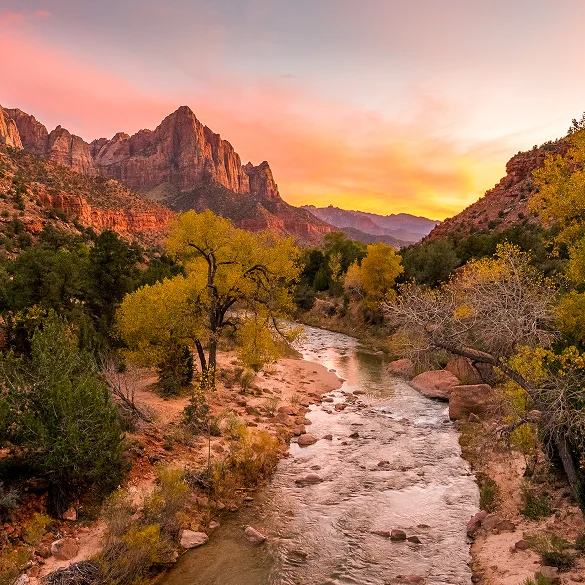
There’s also more being done to expand the existing remit of a lot of parks. In total, 21,345 acres of land were acquired at gateway property in Zion National Park, white sand beaches in Hawai‘i Volcanoes National Park and remote lakefronts at Voyageurs National Park. These efforts ensure that more land is being brought under the control and protection of the National Parks Service (NPS), ensuring flora and fauna are kept safe, while giving visitors more areas to explore.
FACT 3.
77% of visitors say wildlife is their main motivation for visiting a national park
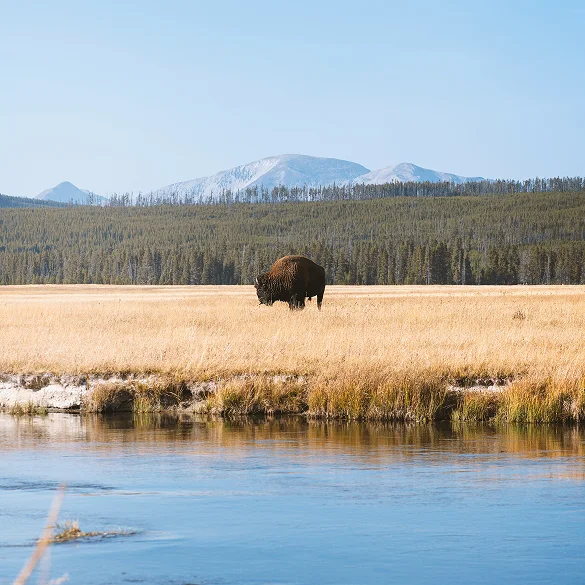
While the serene natural landscapes which parks have to offer cannot be overlooked, an overwhelming majority of people actually cite the wildlife on show as one of their main reasons for visiting. A study of parkgoers at Yellowstone and Grand Teton National Parks found that as many as 77% of people came with the intention of spotting a rare animal.
FACT 4.
People are willing to pay more to see larger carnivores
For most sites, drawing in a crowd is important. While visitors need to be kept at levels which ensure the safety of local flora and fauna, footfall is nonetheless a huge aspect of finding the funds needed to keep these sites running. It’s interesting to note then that 50% of people surveyed said they’d pay more to enter a park to see large carnivores, such as the ever-popular grizzly bear.
FACT 5.
$581m (£430m) is brought in annually in these two parks thanks to wildlife visitors
That 77% figure means that of the total $753m (£558m) which these parks generated in earnings per year, a staggering $581m (£430m) came from the desire to see wildlife. This fascinating balance between the need to preserve wildlife for their own sake, and the commercial element of trying to encourage the growth of certain species within the park is one that has the potential to leave a lot of visitors morally torn.
It’s important to remember that whatever the reason for visiting, park staff and environmental expert’s sole aim is to protect endangered and other local species, regardless of popularity.
FACT 6.
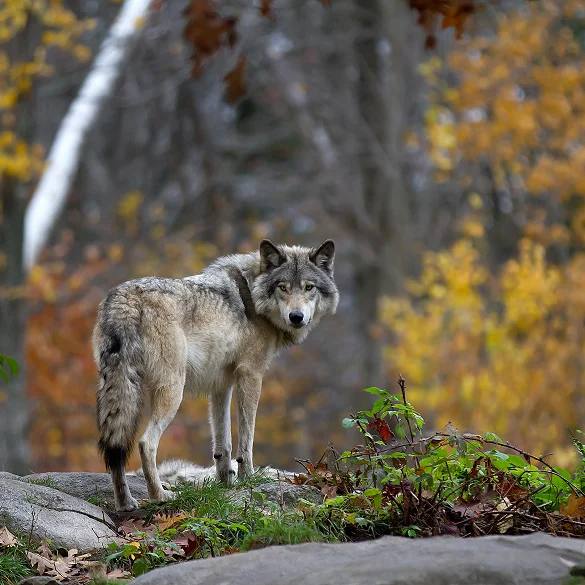
Conservation efforts are saving grey wolves in Yellowstone
These efforts have already started to have tangible impacts across some of the USA’s most famous parks. In Yellowstone, 41 wolves were reintroduced to the park from Canada during the 1990s. The total number of wolves in the park as of December 2024 was 108. These wolves have led to a natural and healthy reduction in elk numbers, which has in turn allowed willow and aspen trees to survive to maturity and restore dense groves of vegetation across the park.
FACT 7.
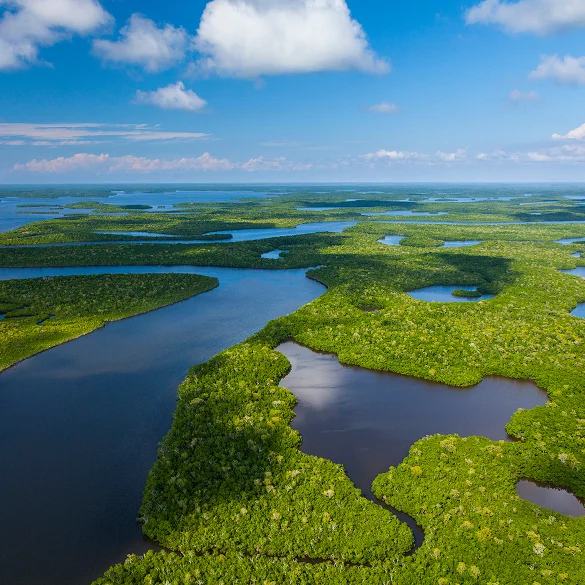
Water conservation has been at the forefront of work in the Everglades since 1947
The Everglades is a subtropical ecosystem which provides drinking water and irrigation for people across the city of Florida. The Everglades National Park was created in 1947 to protect this vital and vast body of water, which once spanned a total of 11,000 miles across Florida. The park has also served as a haven for the Florida panther and American alligator.
FACT 8.
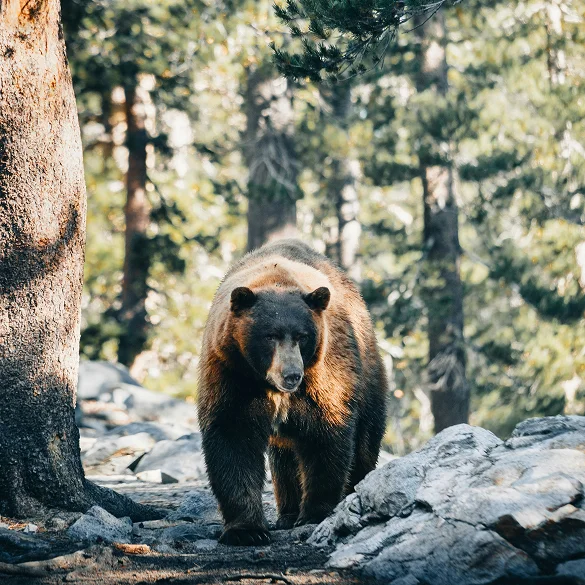
Great Smoky Mountains National Park is protecting the black bear population
In 1934, it was believed that there were just 100 black bears left in the Great Smoky Mountains National Park region. Thanks to the protection and conservation practices of the park and its staff, estimates now put this number as high as 1,900 bears. This massive increase is a testament to the hard work of the team at the park, and has a massive positive impact on the local ecosystem – with bears naturally able to support factors such as scavenging carcasses and dispersing seeds.
FACT 9.
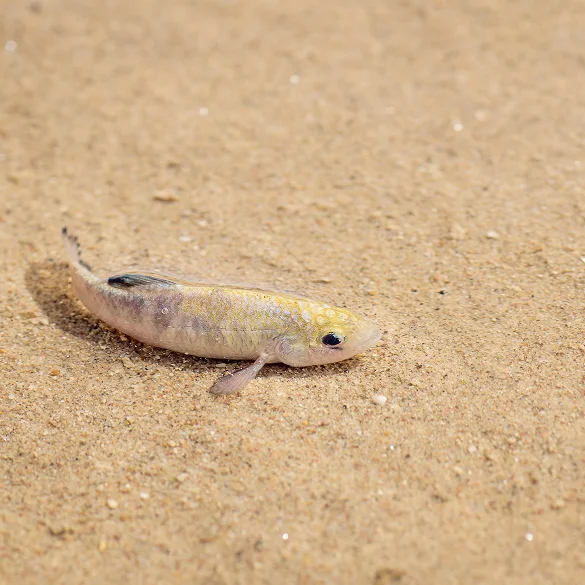
The Devils Hole pupfish is seeing a resurgence
Death Valley is the only known home of the famous Devils Hole pupfish. But when three back-to-back earthquakes struck the region between December 2024 and July 2025, the future of the species was put in serious danger. Despite that, ongoing efforts since 1990 have meant that the pupfish has a great chance of survival, with the species receiving a 25-year high count number during spring of 2024.
FACT 10.
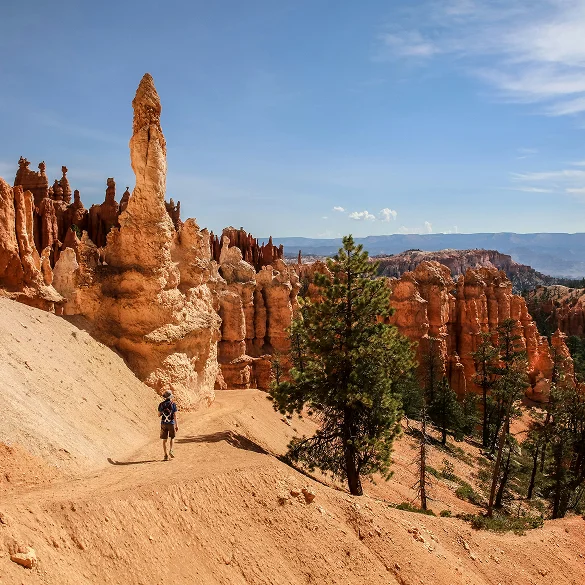
These conservation efforts have the strong backing of US citizens
Encouragingly, local residents and citizens of the USA are strongly behind the work that parks are putting in to protect flora and fauna. A Harris Poll, on behalf of the National Parks Conservation Association, found that a healthy 86% of those asked supported federal efforts to continue to protect threatened and endangered species across all 63 national parks in the country. 87% of people went on to suggest migration corridors were one of the most effective ways to encourage the continued connectivity of existing wildlife habitats.
FACT 11.
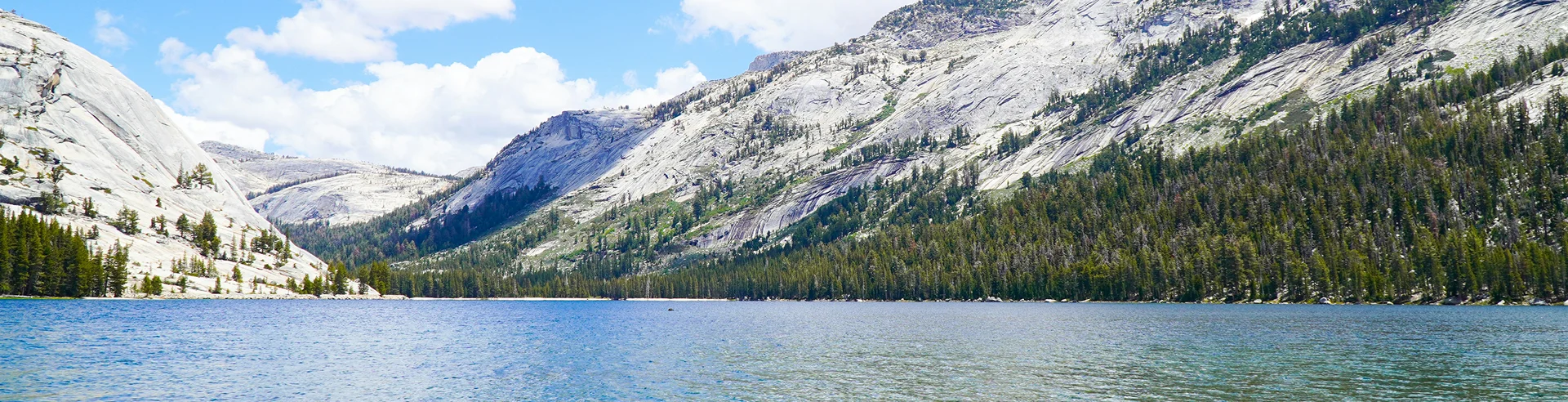
The positive reinforcement of conservation efforts extends to water pollution prevention
It’s not just animals people want to see protected and preserved. The same survey found that 92% of respondents also wanted more to be done to ensure water pollution, and the impact that it has on local ecosystems, was also being addressed. This has a knock-on effect for local marine wildlife, as well as residents in areas close by to parks.
FACT 12.
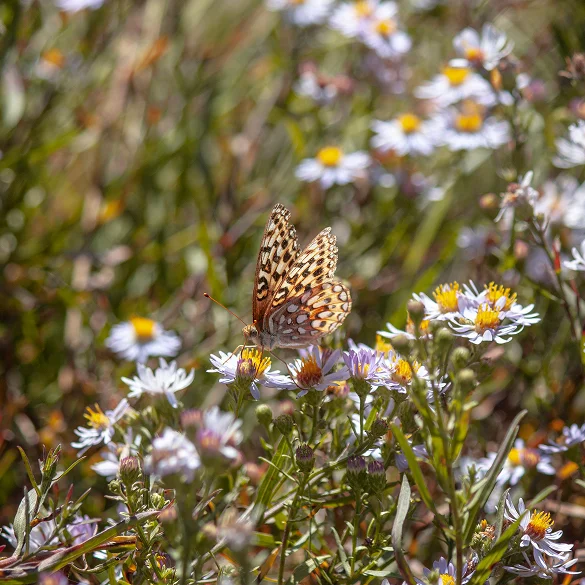
Air pollution is another threat which is being taken seriously
Birds and pollinators were also at the forefront of respondents' minds. 88% want to see more being done to stop air pollution from having as great an impact on the fragile ecosystems of these kinds of creatures.
85% of those asked agreed that climate change was having an impact on all of these factors.
FACT 13.
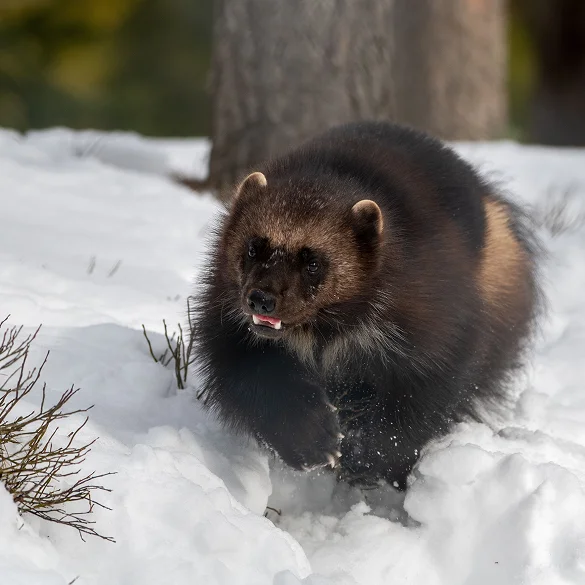
New testing methods are trying to save wolverines in Glacier National Park
Glacier National Park is one area where the impact of shifting environmental conditions has the potential to have a huge impact. One species which has seen a dip in numbers in recent years is the wolverine.
This majestic animal has found itself on the endangered species list, owing to the ongoing impact that global warming has had on their natural environment.
At Glacier National Park, intensive sampling using camera traps and DNA samples has been employed to more accurately track and understand their population health.
FACT 14.
70% of mussels in the USA are endangered – but Buffalo National River Park are fighting back
Of the 300 species of freshwater mussels in the USA, as many as 70% of them are now considered to be endangered. Buffalo National River Park is doing what they can to help two species continue to thrive. They're using sonar imagery and an acoustic doppler system to accurately map out the existing habitat of rabbitsfoot and snuffbox mussels, helping to make it simpler for park scientists to find and map out the existing living areas of these creatures.
FACT 15.
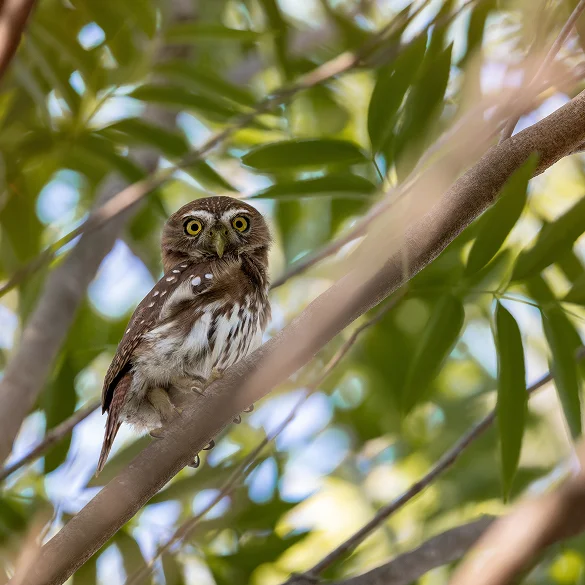
Mexican spotted owls are finding a new home in Valles Caldera National Preserve
This iconic bird was seen for the first time ever in the Valles Caldera National Preserve in 2021. Since then, funding has been dedicated towards charting and monitoring their flight and nesting patterns. It’s all part of an effort to understand what kind of habitat the birds are choosing to live in, and giving park scientists and staff the best chance possible of ensuring that they continue to thrive here.
FACT 16.
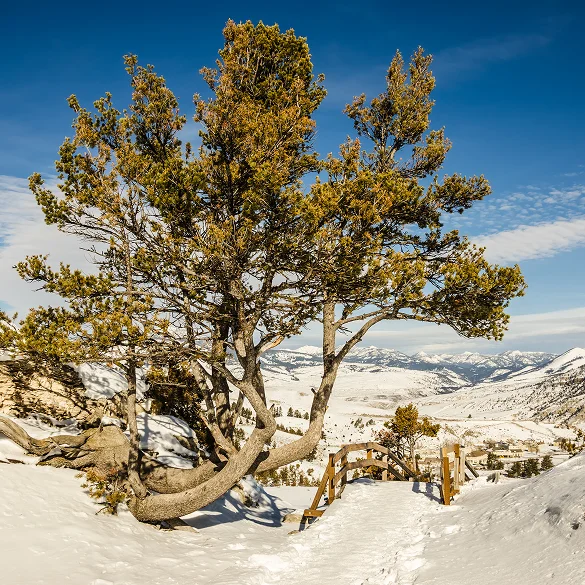
A new study on whitebark pine in Yellowstone has been commissioned
90% of all whitebark pine in existence can be found on US federal land. As a source of nutritional value to a number of native species, this pine has become an important part of the diet for 19 different kinds of animal in Yellowstone National Park. With that in mind, NPF funding has been allocated to assess the health of this threatened pine. The ongoing study looks at the abundance of whitebark pine in Yellowstone, as well as analysing more closely the relationship between whitebark and the Clarks’ nutcracker – a species of bird which is vital for spreading the seeds of the pine around.
FACT 17.
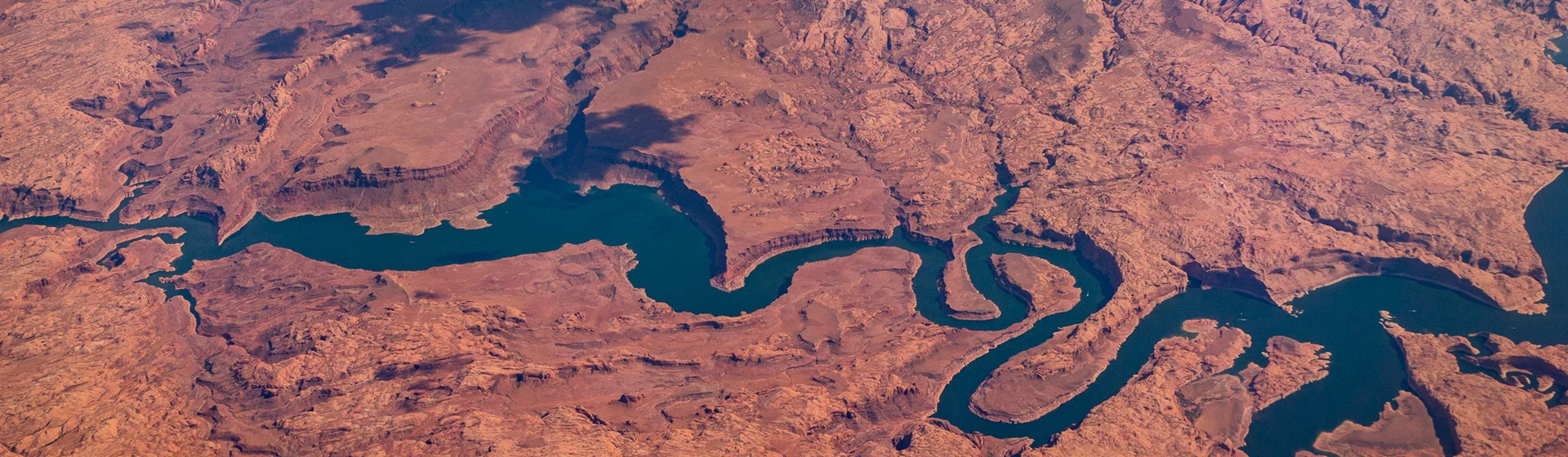
There are a total of 433 national park sites across the country
While just 63 areas of preserved parkland can officially call themselves a national park, there are a further 370 smaller protected landscapes dotted throughout the rest of the country. These are all conserved and maintained by the NPS.
This total number of 433 sites spans across a whopping 85 million acres in total territory size.
FACT 18.
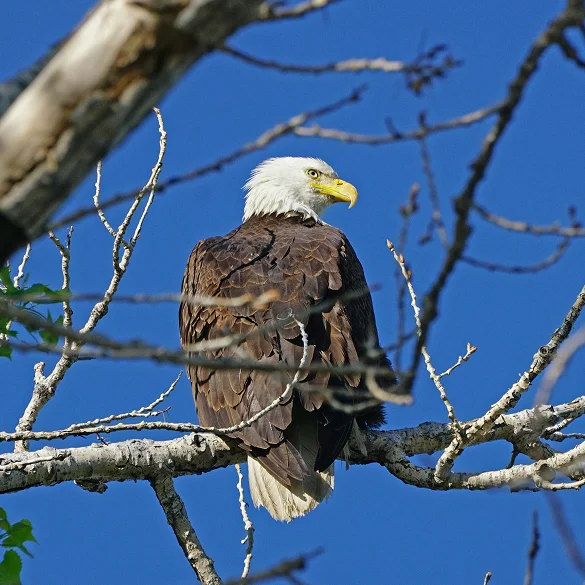
99% of endangered species have been saved, thanks in part to US national park efforts
When a creature or type of plant is listed under the Endangered Species Act (ESA), it means that they’re rare, declining, unique or sensitive to potential extinction. National parks play a huge part in the protection of these kinds of species, with the aim being to reintroduce or protect them in giant areas of land that are carefully monitored. The efforts of all 63 national parks have not been for nothing.
As many as 99% of animals listed under the ESA have been saved from extinction.
FACT 19.
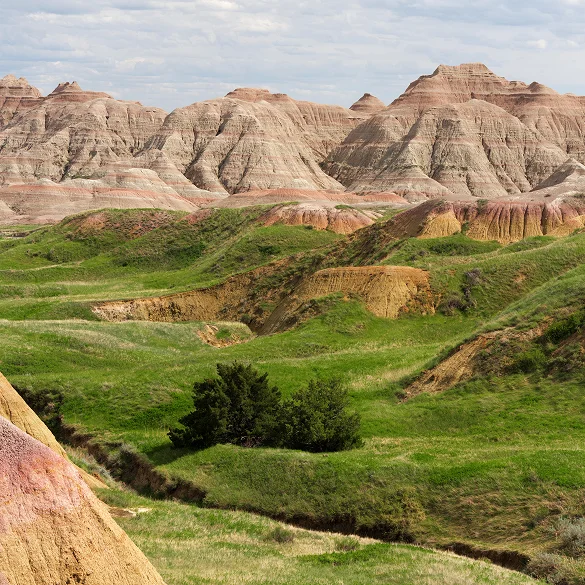
Badlands National Park has the largest protected mixed-grass prairie in the USA
The beauty of national parks is that they all offer something a little different. While some are lush green landscapes teeming with life, others conserve biodiversity in slightly more unusual ways. Badlands National Park is a great example of the latter.
This park is home to the largest mixed-grass prairie in the USA, covering 244,000 acres in total.
The park is also home to fossils which have sat in bedrock for anywhere from 23 to 35 million years. The striking landscape of Badlands has made it one of the most popular sites in South Dakota.
FACT 20.
Biscayne National Park uses its five beaches to support the safe birth of sea turtles
Some native species are more susceptible to predation and unintentional damage to their habitat than others. A good example are sea turtles. With the young of this species born in nests that are relatively remote from any parents, a lot of hatchlings struggle to survive. Biscayne National Park has taken it upon themselves to monitor the nesting habits of turtles across five large beaches. This involves patrolling the beach, protecting nests from raccoons with wire mesh, and assessing how many turtles are hatching every year.
FACT 21.
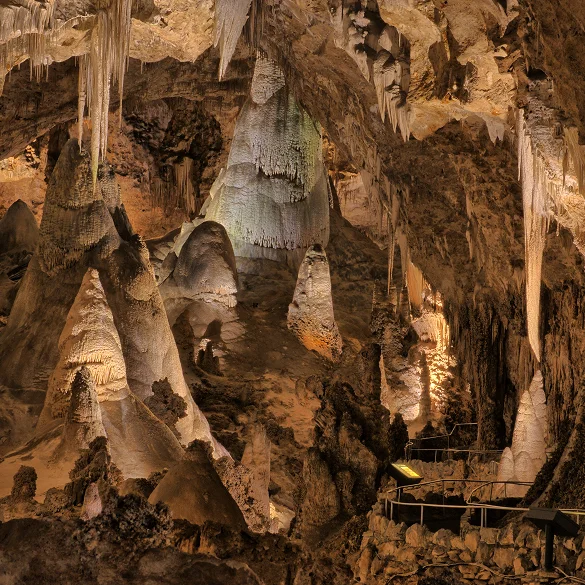
Carlsbad Caverns National Park has helped to stabilise the local bat population
17 different species of bat call the Carlsbad Caverns National Park home, making it one of the most important ecosystems for the flying mammal anywhere on Earth.
The caverns and nearby wooded areas are believed to house more than half a million bats throughout the year, serving as a haven for the creatures.
The park has recently taken precautionary action against the fatal disease White-nose Syndrome (WNS), which is thought to have killed more than seven million bats across the USA since it was first discovered in 2006.
FACT 22.
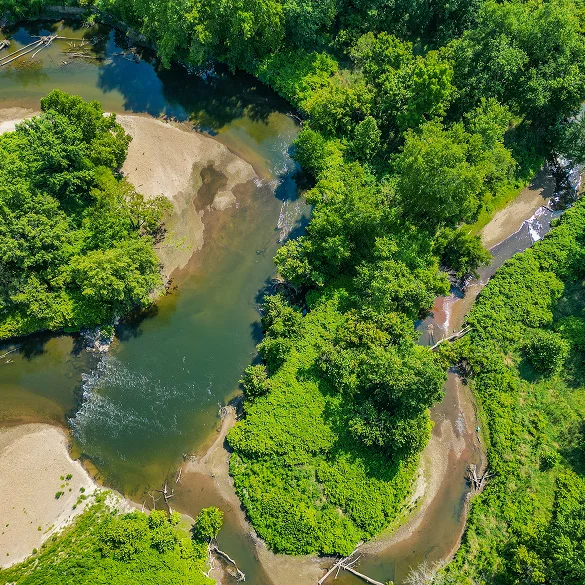
The Cuyahoga River and its Valley have been restored to support local fish and water conservation
A part of the largest supply of surface freshwater on the planet, around 25% of the Cuyahoga River flows within the boundaries of Cuyahoga Valley National Park. The specialists at the park have worked tirelessly to help stabilise the riverbank here, which has in turn made it possible for freshwater mussels and sturgeon to return to the natural and clean waters of the river. In late 2024, the park would go as far as to temporarily close the Towpath Trail in order to help stabilise the riverbank further.
FACT 23.
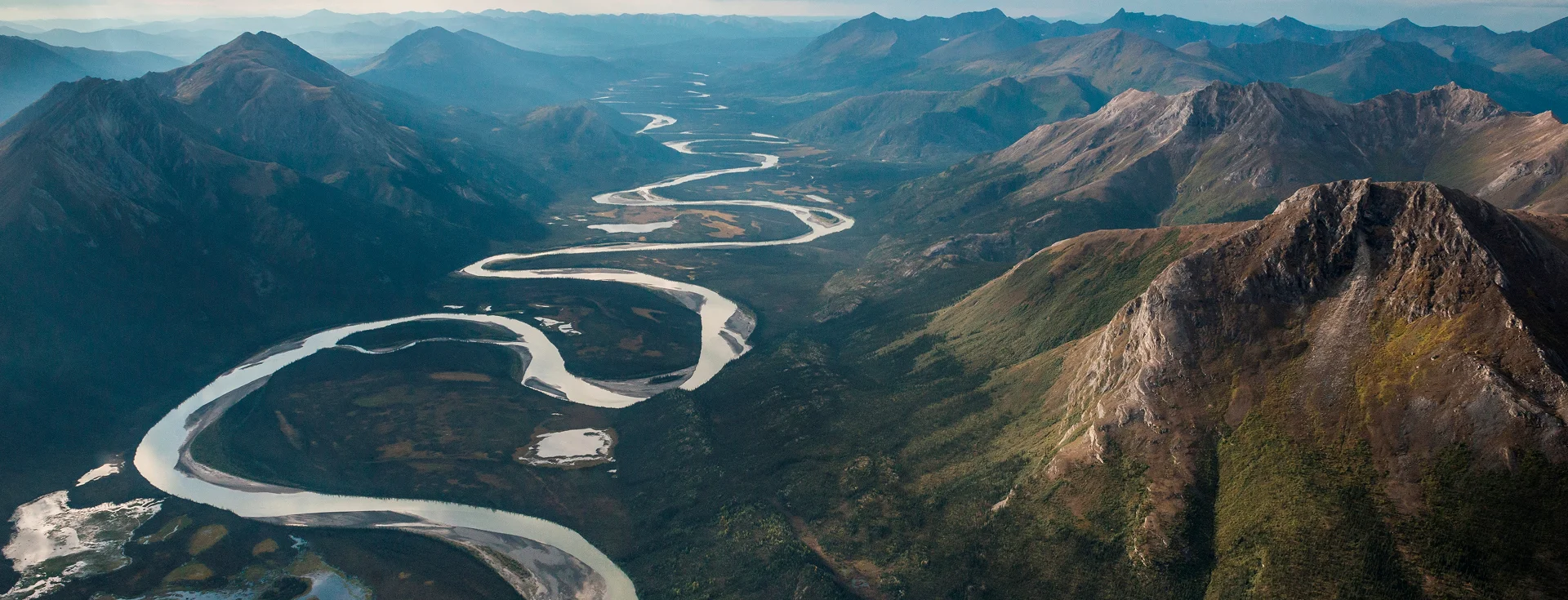
Arctic conservation at Gates of the Arctic National Park is protecting flora and fauna across more than eight million acres of land
Animals and plants that need colder conditions to thrive often find themselves more at risk than those who thrive in more moderate climates. Gates of the Arctic National Park and Preserve serves as the perfect spot for creatures and plantlife that fall into those categories.
Temperatures can regularly sit at -45°C, thanks to where the park is located – the USA’s most northern state, Alaska.
The park has served as a haven for species from not just North America, but also those from Europe, Asia and South America. The Western Arctic Caribou Herd are one the most commonly spotted residents, with other species including grizzly and black bear, wolves, moose, Dall's sheep, wolverines and muskoxes.
FACT 24.
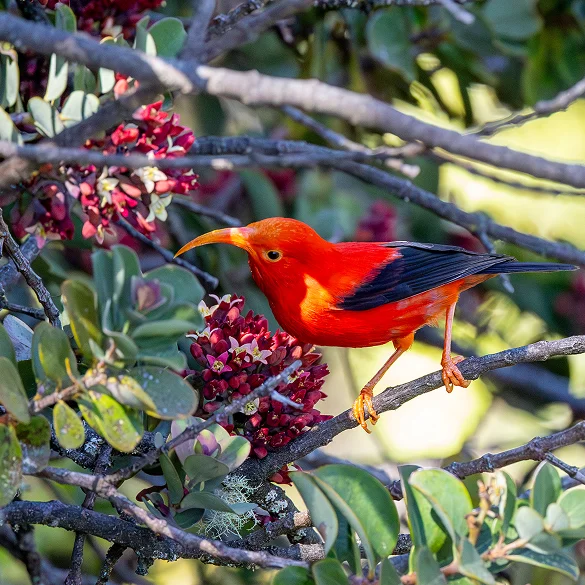
Half a million mosquitos are being relocated to save Hawaiian honeycreepers in Haleakalā National Park
In much warmer climes, the Haleakalā National Park in Hawaii has taken action to help protect their native species, the Hawaiian honeycreeper. This colourful bird once existed across 50 different variant species, but has since dwindled down to just 17. This sudden shift in numbers was an unfortunate byproduct of an unwanted visitor – mosquitos, who were carrying an avian form of Malaria.
In order to keep the honeycreepers in Haleakalā safe, the NPS has begun relocating and releasing millions of male mosquitos who carry a different viral strain of bacteria, called Wolbachia. This bacteria prevents mosquito eggs from fertilizing, greatly reducing the number of the creatures in and around Maui, where the park is located. This means the honeycreepers are less likely to come into contact with a mosquito carrying malaria.
FACT 25.
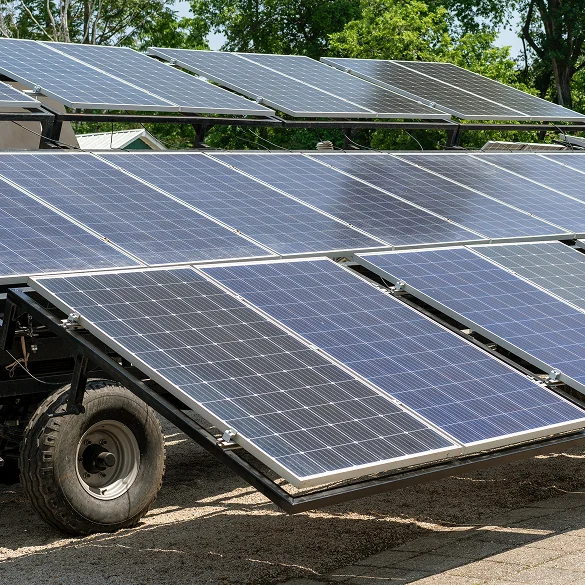
Solar energy conservation has taken huge steps forward at Yellowstone National Park
Huge strides have been made this century when it comes to greener and alternative forms of natural energy. Yellowstone National Park is contributing to this through a number of programs, but perhaps most notably of all in the form of several solar energy systems. A portable trailer at Bechler is able to provide as much as 90% of electrical needs to the area during the summer months, while another generator is able to provide 1.4 million KW-hours to the park annually, saving an estimated $95,000 (£70,350) per year in electrical costs.
FACT 26.
The monarch butterfly is taking flight again in Grand Canyon National Park
The Monarch butterfly is perhaps one of the most famous types of butterfly on the planet. Grand Canyon National Park is a focal point on the Monarch’s annual migration path. Scientists in the park have made a point to create a series of pollinator gardens, planted with large supplies of milkweed to help provide the nutrition needed for the butterflies to thrive.
These gardens have become a necessity, owing to the 90% decline in numbers during the past decade.
FACT 27.
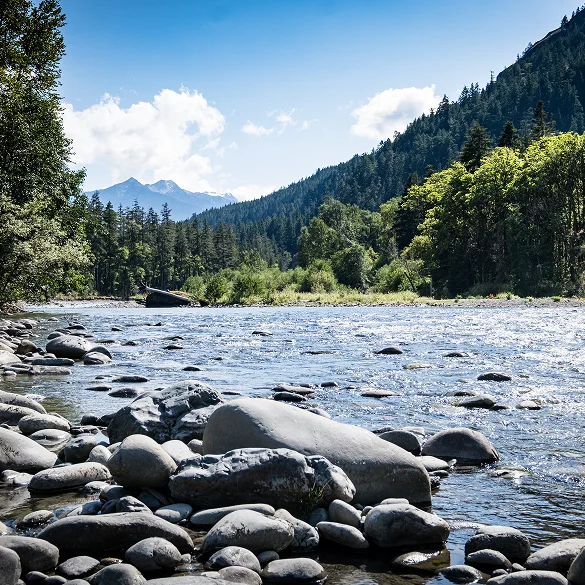
Olympic National Park has spent more than $350m restoring the Elwha River
The Elwha Ecosystem Restoration Project has seen more than $350m (£259m) invested into it throughout the years, and has helped in a variety of ways, such as:
- Revegetation of natural species, and the removal of invasive species of plant
- The return of salmon and other species of fish to the river
- The monitoring of large deposits of sediment and sand
This ongoing project will continue to try and restore and preserve local wildlife and native plant species heading forwards.
FACT 28.
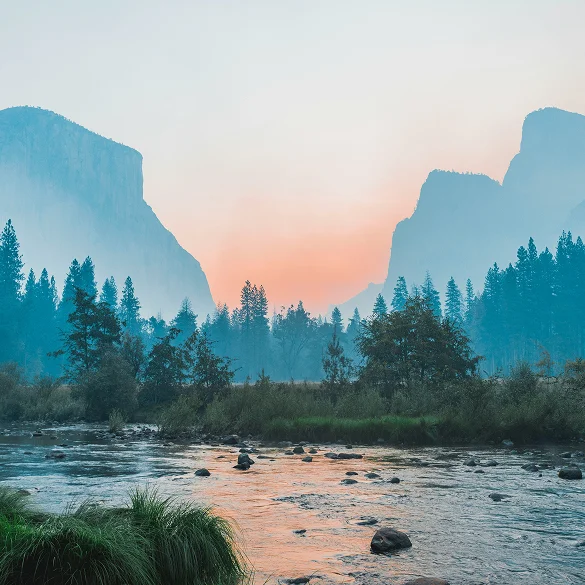
The Yosemite National Park wetland restoration project spans 230 acres
Yosemite National Park has its own project underway. Their aim is to restore 90 acres and protect a further 100 threatened acres of natural wetland.
The total area affected covers almost the entire 230-acre wetland region, with efforts involving the use of 100,000 cubic yards of soil, and 50,000 cubic yards of locally processed wood chips.
These materials are used to raise streambeds and water tables, helping to keep the park’s Ackerson Meadow supplied with a steady and constant flow of natural water. This in turn serves as an amazing habitat for a number of local wildlife.
FACT 29.
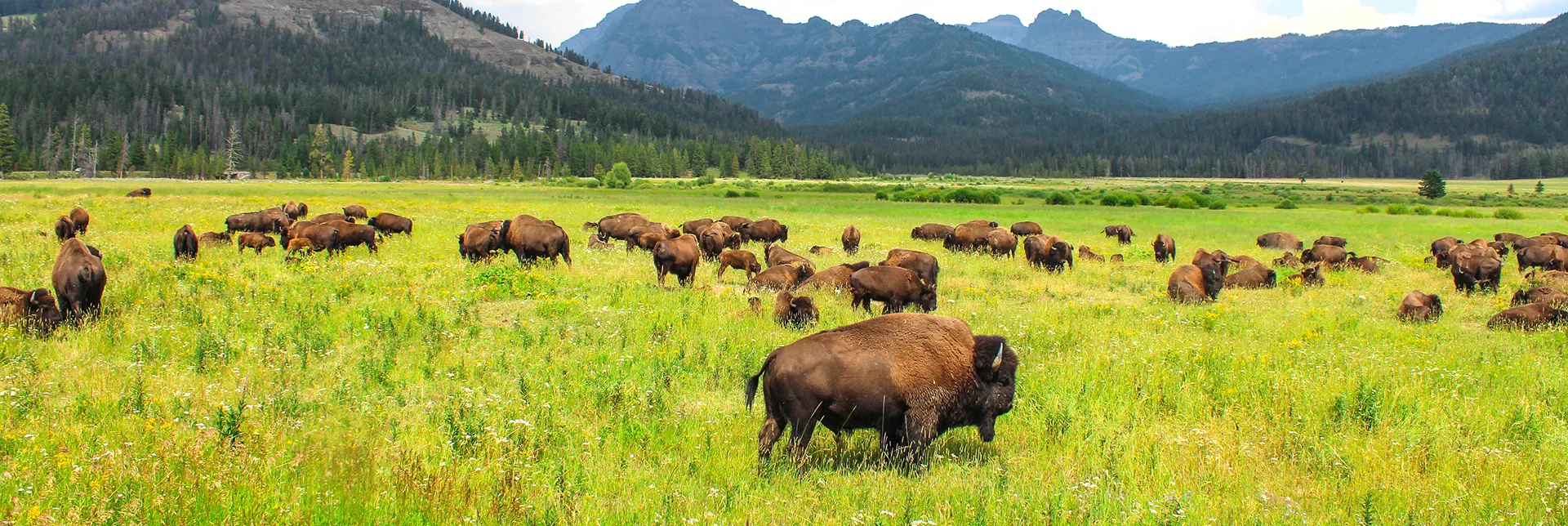
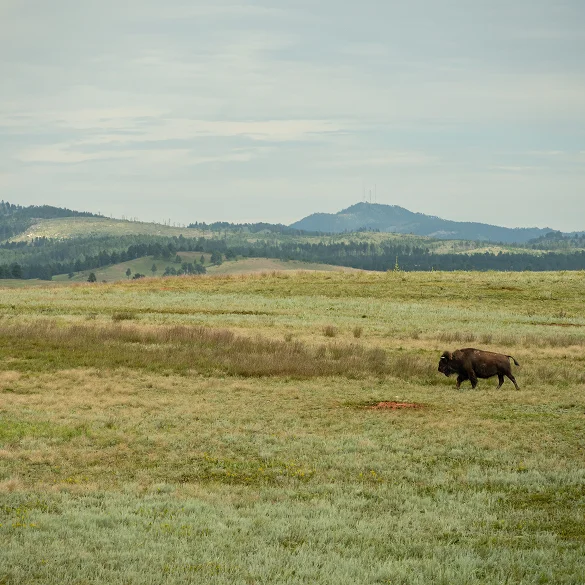
Wind Cave National Park is doing what they can to preserve bison herd numbers
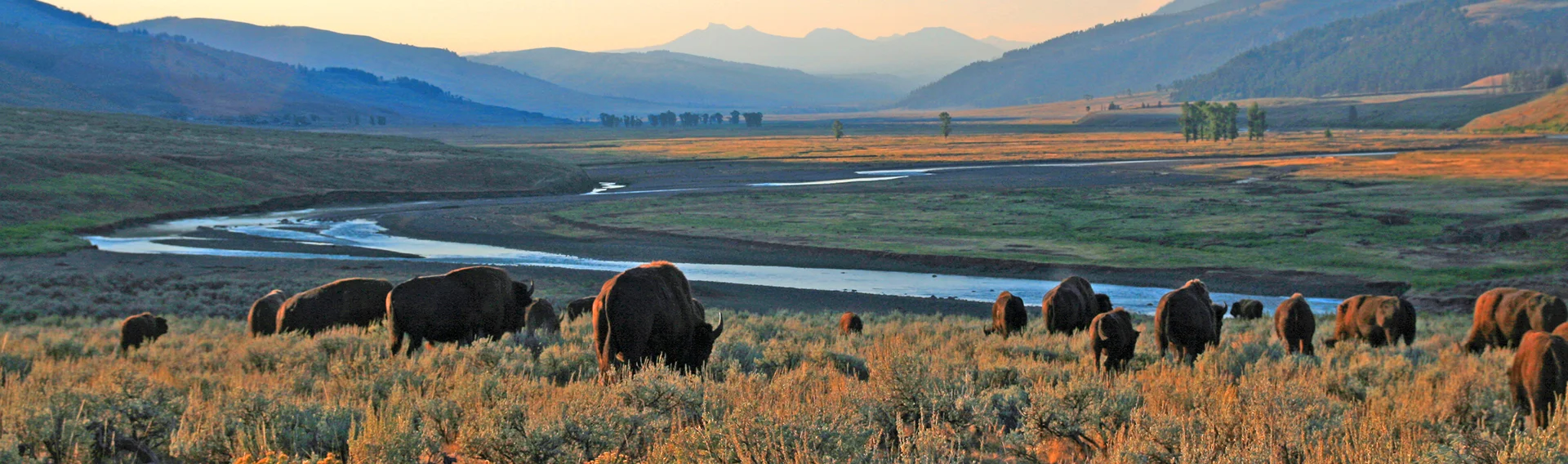
Bison numbers have been at risk in the USA for some time. The Wind Cave National Park bison herd is currently just 250-400 strong in size, but is nonetheless a valuable asset in the fight against the extinction of this unique animal. The herd is carefully monitored on a monthly basis, with measures taken to ensure the safe and continued protection of the park’s herd.
FACT 30.
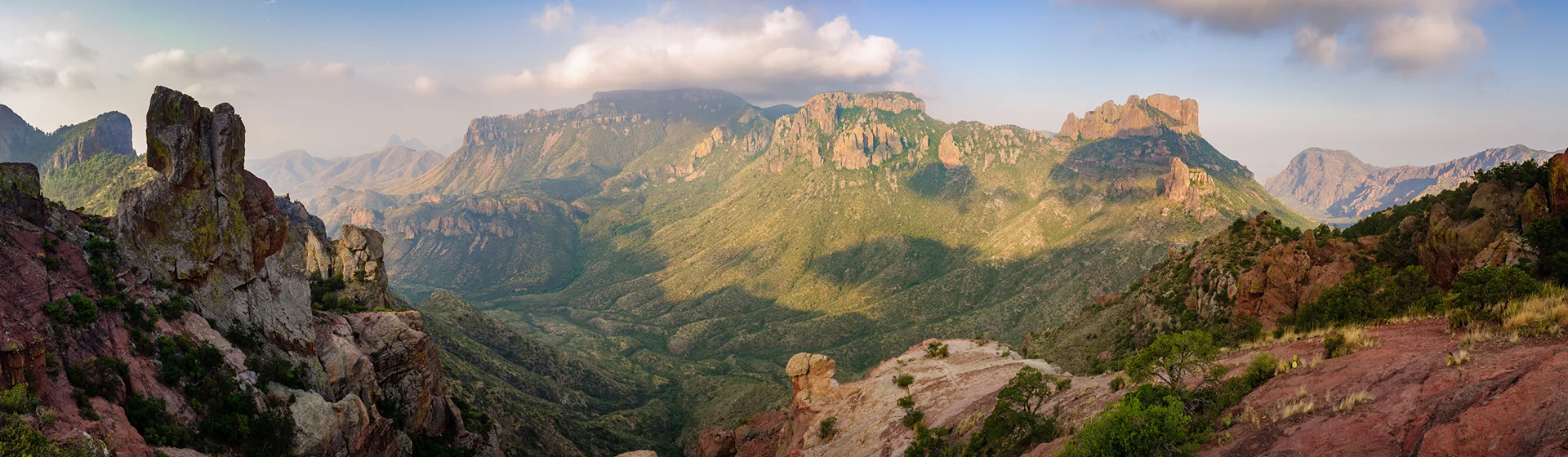
Big Bend National Park has raised more than $4m to help support the park
Conservation efforts are only possible through the continued financial support of large and small donors alike. Big Bend National Park is a great example of that, having raised an impressive $4m (£2.96m) over the course of its lifespan to keep this natural beauty operational.
Amazingly, $1m (£740,000) of this has come from selling personalised license plates with the park’s branding on it.
US national parks exist to preserve, cherish and celebrate wonderful ecosystems and biodiverse environments. If you have a trip to the United States planned for the coming year, make sure to include at least a day in one of the many rich and diverse landscapes which are found across these 63 different sites.